






A Scar Twice the Size of a Football Field
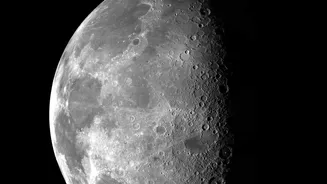
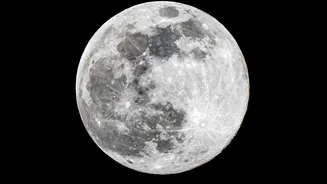
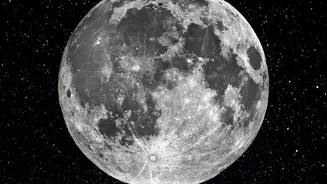
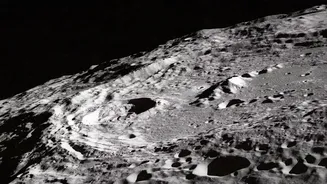
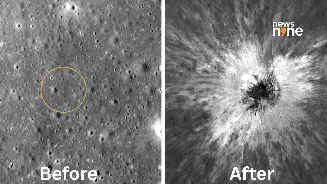
Scientists using NASA's Lunar Reconnaissance Orbiter (LRO) have identified a new crater measuring a staggering 222 metres (728 feet) across and 43 metres (141 feet) deep. Dubbed McGetchin crater, after pioneering lunar scientist Tom McGetchin, the impact
is believed to have occurred sometime in the spring of 2024. It was created when an object the size of a three-to-six-storey building slammed into the lunar surface. The discovery was made not by witnessing the impact itself, but through painstaking analysis of before-and-after images captured by the LRO, which has been mapping the Moon since 2009. A researcher noticed a large, bright spot surrounded by a dark halo during a routine data check, signaling a recent and significant disturbance of the lunar soil.
More Than Just a Hole in the Ground
What makes the McGetchin crater so significant is not just its size, which is three times larger than the previous record-holder for a newly formed crater found by the LRO. It's what the impact did to the surrounding landscape. Data revealed that the collision hurled dust and rock farther and at higher angles than many scientific models had predicted. Even more surprisingly, instruments detected a 6.4-kilometre-wide (4-mile) 'cold spot' around the crater. At night, this area is about 16 degrees Fahrenheit cooler than its surroundings. Scientists believe this is because the impact 'fluffed up' the top layer of lunar soil, or regolith, making it less dense and less able to retain heat. This finding demonstrates that a single impact can dramatically alter the physical properties of the lunar surface far beyond the immediate crater rim.
Rewriting the Rules of Lunar Aging
For decades, planetary scientists have estimated the age of surfaces on moons and planets using a method called crater counting. The basic principle is simple: the older a surface is, the more craters it will have accumulated. A key part of this technique involves distinguishing between primary craters, formed by asteroids and comets from space, and secondary craters, formed by debris blasted out from a primary impact. Scientists believed they had a good handle on what each type should look like. However, the McGetchin crater event is challenging these assumptions. The sheer energy of the impact and the wide, thermally altered zone suggest that the effects of such collisions are more complex and far-reaching than previously understood. It indicates the lunar surface is changing faster than once thought.
Implications for Future Moon Missions
This new understanding has practical consequences for humanity's return to the Moon. As agencies like NASA plan for sustained human habitats, knowing how the lunar surface behaves is critical. The discovery that impacts can loosen the soil over such a wide area could affect how rovers are designed and where habitats are built. Furthermore, it highlights that the risk from high-velocity ejecta following an impact may be greater than previously modeled. The find also underscores the value of long-term observation. The LRO has been in orbit for over 15 years, creating a vital record that allows scientists to spot these rare but transformative events. It's a reminder that even after decades of study, the Moon still holds secrets that can reshape our knowledge with a single, powerful blow.