






Know Your Unwanted Guests
Before you can defend your pantry, you need to know what you're up against. In most Indian kitchens, the primary culprits are small but persistent. You'll likely encounter weevils (small beetles in rice and grains), Indian meal moths (whose larvae leave
behind silky webs in flour, spices, and dried fruit), and ever-present ants and cockroaches drawn to any available food source. These pests often hitch a ride into your home from the grocery store, hidden in paper or cardboard packaging. An infestation usually begins long before you see an adult pest flying or crawling around.
The All-You-Can-Eat Crumbs Buffet
To a tiny insect, a few forgotten crumbs or a small spill of flour is a feast. Pests are experts at finding these food sources. Regular cleaning is your first and most effective line of defence. Make it a habit to wipe down pantry shelves to remove spills and crumbs. For a deeper clean, empty the pantry completely, vacuum all shelves and corners to remove hidden debris and pest eggs, and then wipe all surfaces. A simple solution of equal parts white vinegar and water works as an excellent cleaner and a natural deterrent for pests like ants. Be sure to clean the outside of jars and containers, as sticky residue can also attract pests.
Why Moisture Is a Magnet for Pests
Humidity and moisture are major attractants, especially for cockroaches and ants, which thrive in damp environments. The monsoon season in India, with its high humidity, often leads to a spike in kitchen pest activity as they seek shelter indoors. Any leaks from pipes near the pantry or under the sink create a perfect breeding ground. Ensure your pantry is dry. Fix any leaks promptly. If you live in a particularly humid area, consider using moisture-absorbing products like silica gel packs (kept away from food) to keep the environment inhospitable for pests. Keeping the area dry is as important as keeping it clean.
The Danger of Forgotten and Open Packets
That half-used bag of besan or the box of biscuits you forgot at the back of the shelf is an open invitation. Pests are skilled at getting into original packaging like cardboard boxes and thin plastic bags. These materials are not pest-proof. Regularly go through your pantry and check expiration dates. A 'first in, first out' system, where you use older items before new ones, prevents packets from sitting for too long and becoming targets. Any open packets should be considered vulnerable. Storing them properly is the next critical step in your defence strategy.
Your Airtight Defence: The Right Containers
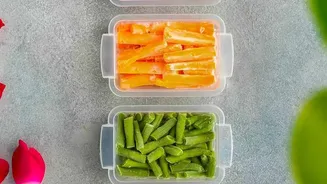
The single most important investment for a pest-free pantry is a set of good airtight containers. Transfer dry goods like flour, rice, dals, spices, cereals, and snacks out of their original packaging and into containers made of glass, metal, or high-quality, sturdy plastic. Look for lids that have a silicone gasket or a secure clamp, as these provide the best seal against both pests and moisture. This not only keeps pests out but also keeps your food fresher for longer. It may seem like an effort, but this one-time switch makes your pantry nearly impenetrable.
Natural Repellents Already in Your Kitchen
For an added layer of protection, you can use natural repellents that are safe to have around food. Many common ingredients in Indian kitchens have pest-repelling properties. Placing a few dried bay leaves (tej patta) or whole cloves in your containers of flour and rice can deter weevils and moths. The strong scent from these spices is unpleasant to insects. Camphor (kapoor) placed in a corner of a cabinet can repel cockroaches. A line of cinnamon or turmeric powder can stop ants from crossing into your pantry space. These simple, cost-effective remedies have been used for generations for a reason.