



A New Martian Puzzle
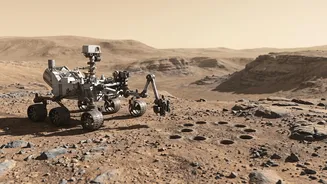
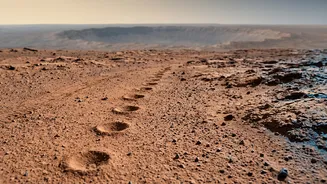
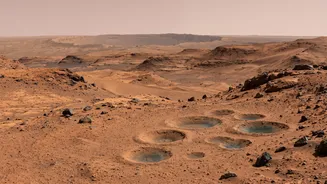
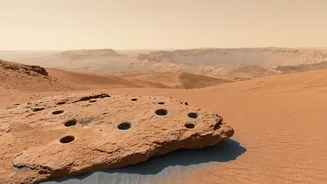
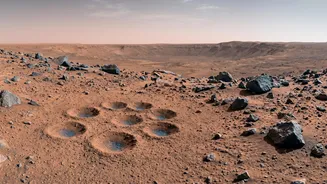
While exploring a region known as Valle Grande on the slopes of Mount Sharp, the Curiosity rover came across a geological surprise: clusters of small, unusual pits dotting the bedrock. These are not the typical craters left by meteorite impacts. Instead,
they are remarkably broad and shallow, with some measuring about one centimetre across. What makes them so baffling to NASA scientists is that they are unlike almost anything the rover has seen in its more than a decade of exploration. After years of cataloguing the Martian landscape, finding a feature that defies easy explanation is a rare and exciting event.
Why These Holes Are Different
Mars is covered in holes, pits, and craters, but they usually come with a straightforward explanation. On both Earth and Mars, small cavities in rock often form when a harder mineral nodule or pebble is embedded in softer surrounding rock. Over millions of years, weathering and erosion wear away the softer material, and the harder pebble eventually falls out, leaving a neat hole behind. But this common explanation doesn't seem to apply here. The science team noted that these new pits are not only unusually shaped, but there are no obvious pebbles or nodules in the vicinity that look like they once occupied the depressions. The culprit, whatever it was, has vanished without a trace, leaving a true geological mystery.
The Hunt for Clues
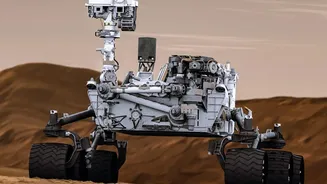
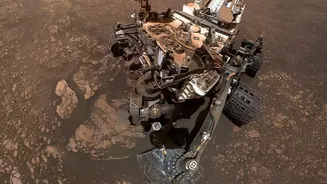
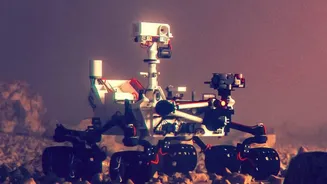
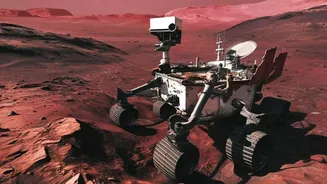
In the face of this puzzle, the Curiosity mission team is doing what scientists do best: gathering more data. NASA has instructed the rover to conduct a detailed investigation. Using the Mars Hand Lens Imager (MAHLI), located on the end of its robotic arm, Curiosity has taken extreme close-up photos of the pits. At the same time, its Mastcam, a more powerful camera system on its main mast, has been capturing multiple overlapping images of the surrounding area. By combining these images, scientists on Earth can build detailed three-dimensional models of the holes. These models will allow them to precisely measure the pits' shapes and depths, which could hold vital clues to the unknown geological process that formed them.
Context Is Key: A Watery Past
The location of this discovery is critical. Curiosity is currently climbing Mount Sharp, a massive mountain in the centre of Gale Crater, which is believed to have been a giant lake billions of years ago. The rover is navigating through what is known as a 'sulfate-bearing unit' — layers of rock rich in salt minerals that are typically left behind when water evaporates. Each layer of this mountain is like a page in Mars's history book, preserving a record of how the planet's environment changed over time. While scientists haven't yet explained the holes, studying rock formations in this specific region helps them understand the transition of Mars from a warmer, wetter world to the cold, dry planet we see today.
Curiosity's Enduring Mission
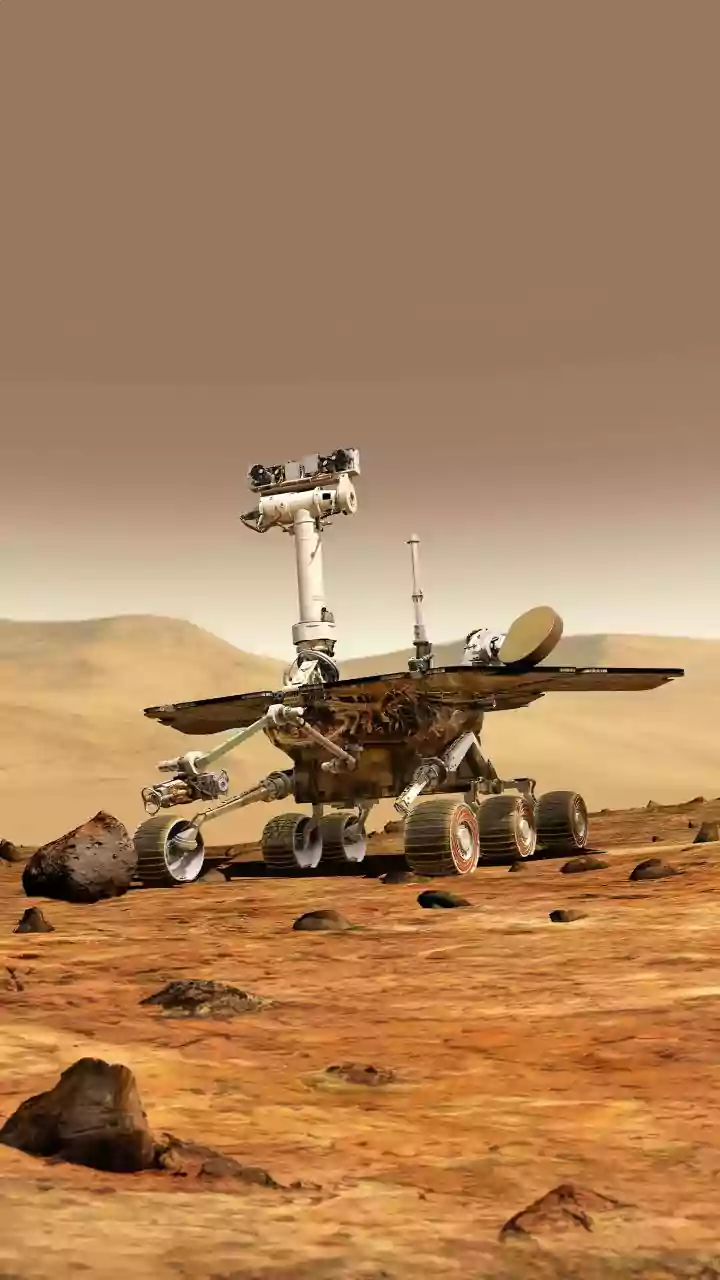
This discovery is a testament to the incredible longevity and success of the Curiosity rover. After more than a decade on the Red Planet, its primary mission remains the same: to determine if Mars ever had the right environmental conditions to support small life forms called microbes. It has already found significant evidence of past habitable environments. Far from being a routine mission, discoveries like these strange holes show that Mars still has the capacity to surprise us. Each new puzzle provides a fresh opportunity to deepen our understanding of the planet's complex and dynamic history.