

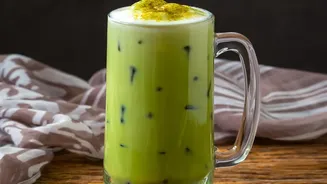
Meet the New Contenders
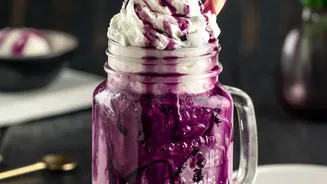
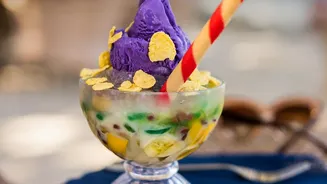
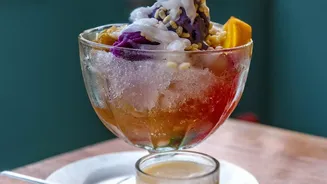
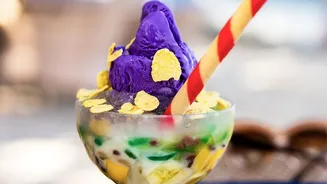
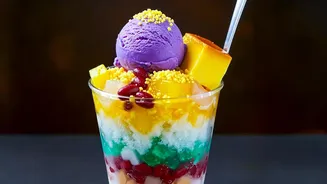
First, let's get acquainted. Ube (pronounced ‘oo-beh’) is a purple yam originally from the Philippines. It boasts a mesmerising violet colour and a flavour that’s surprisingly complex—sweet and creamy with notes of vanilla, white chocolate, and pistachio.
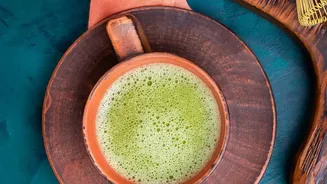
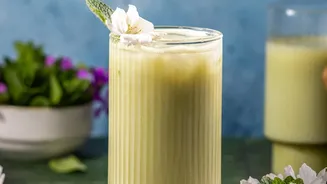
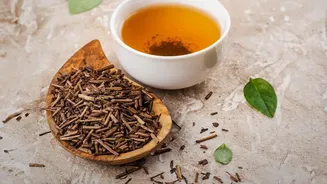
It’s naturally caffeine-free and has been a staple in Filipino desserts for centuries. In the other corner is hojicha, a Japanese green tea. Unlike its famous cousin, matcha, hojicha is made by roasting green tea leaves at a high temperature. This process gives it a reddish-brown hue, a toasty and nutty aroma, and a smooth, caramel-like flavour with very little bitterness and a much lower caffeine content.
Ube: The Social Media Sensation
Ube’s journey into the Indian mainstream is a masterclass in modern food trends. Its biggest asset is its stunning, all-natural purple colour. In a world driven by Instagram and TikTok, ube is incredibly photogenic, making it an instant star. This visual appeal is its entry point. Consumers are drawn in by the colour first, then stay for the accessible flavour. Its sweet, mild, and nutty profile makes it an easy sell in lattes, ice creams, cheesecakes, and other desserts. Major chains like Starbucks have already jumped on the trend, launching ube-based drinks in India in August 2026. This viral, visually-driven route has seen search interest for ube in India hit an all-time high, with cities in Telangana and Karnataka showing significant curiosity. Its path is loud, vibrant, and powered by social media shares.
Hojicha: The Quiet Connoisseur’s Choice
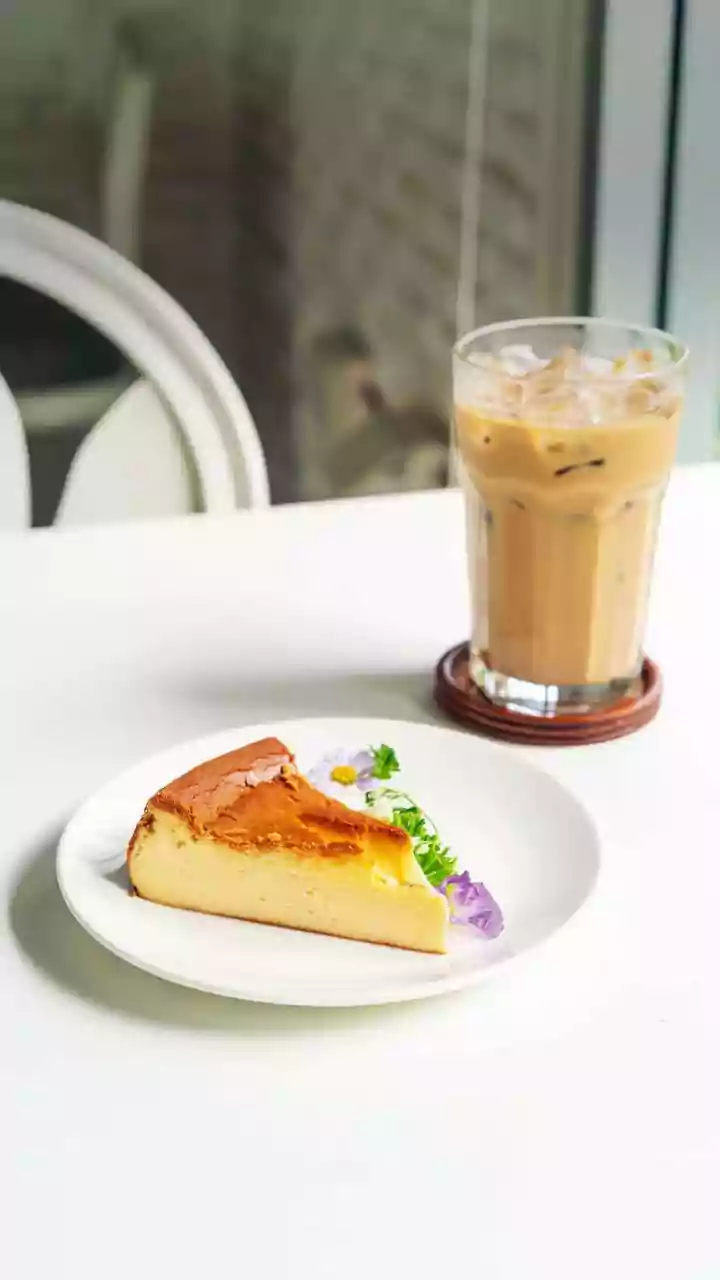
Hojicha is taking a different, more understated route. Its popularity is growing not through flashy visuals, but as a sophisticated alternative for seasoned palates. Its rise is linked to the already established appreciation for Japanese cuisine and matcha in India. As some consumers experience 'matcha fatigue', they are looking for the next thing. Hojicha, with its roasted, smoky, and comforting flavour, is that next step. It appeals to coffee drinkers with its toasty notes and to tea lovers seeking a low-caffeine, calming beverage. You'll find it in specialty cafes in Delhi, Mumbai, and Bengaluru, where it's being crafted into refined lattes, inventive bubble teas, and even 'dirty' versions mixed with a shot of espresso. Its growth is less of a viral explosion and more of a slow burn, championed by cafes that prioritise flavour complexity over colour-pop aesthetics.
A Tale of Two Palates
The contrast between ube and hojicha perfectly illustrates the diversity of India's evolving tastes. Ube is an all-day, caffeine-free indulgence. It's sweet, playful, and dessert-like, making it an immediate hit with a younger demographic and anyone with a sweet tooth. It’s the flavour you discover through a striking photo and share with friends. Hojicha, on the other hand, is more of an acquired taste that speaks to a different need. It offers warmth, depth, and a sense of calm, making it a perfect afternoon or evening drink. It’s the beverage you graduate to when you're seeking nuance over novelty. While ube is a vibrant shout, hojicha is a confident whisper.
Why Are They Trending in India Now?
The simultaneous rise of ube and hojicha isn't a coincidence. It signals a broader shift in the Indian market. Urban consumers, particularly Gen Z and millennials, are more adventurous than ever, driven by global trends they see on social media. The booming cafe culture, especially in metro cities, has become a competitive space where unique, globally-inspired menu items are key differentiators. According to recent Google search trends, curiosity for both ingredients has skyrocketed in 2026, indicating a readiness for new experiences. Ube offers visual excitement and accessible sweetness, while hojicha provides sophisticated comfort. Together, they cater to two different but equally powerful consumer desires: the thrill of the new and the comfort of the refined.