

The Holy Grail of Rocketry
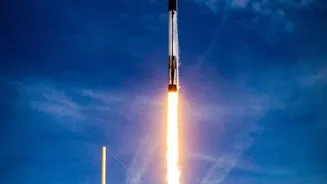
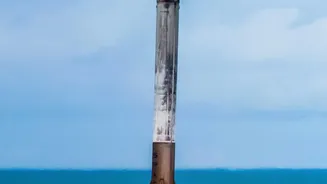
For decades, rockets were single-use machines. Massive, expensive boosters and stages were discarded after every launch. SpaceX revolutionized the industry with its Falcon 9, which lands and re-flies its first-stage boosters. But even that is only partial
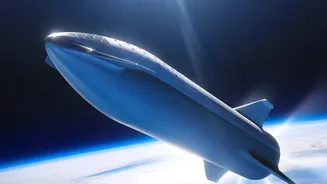
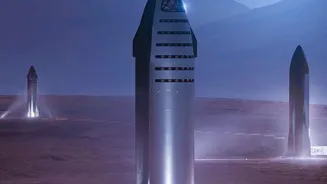
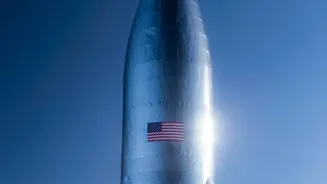
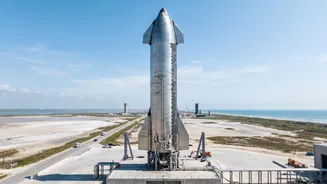
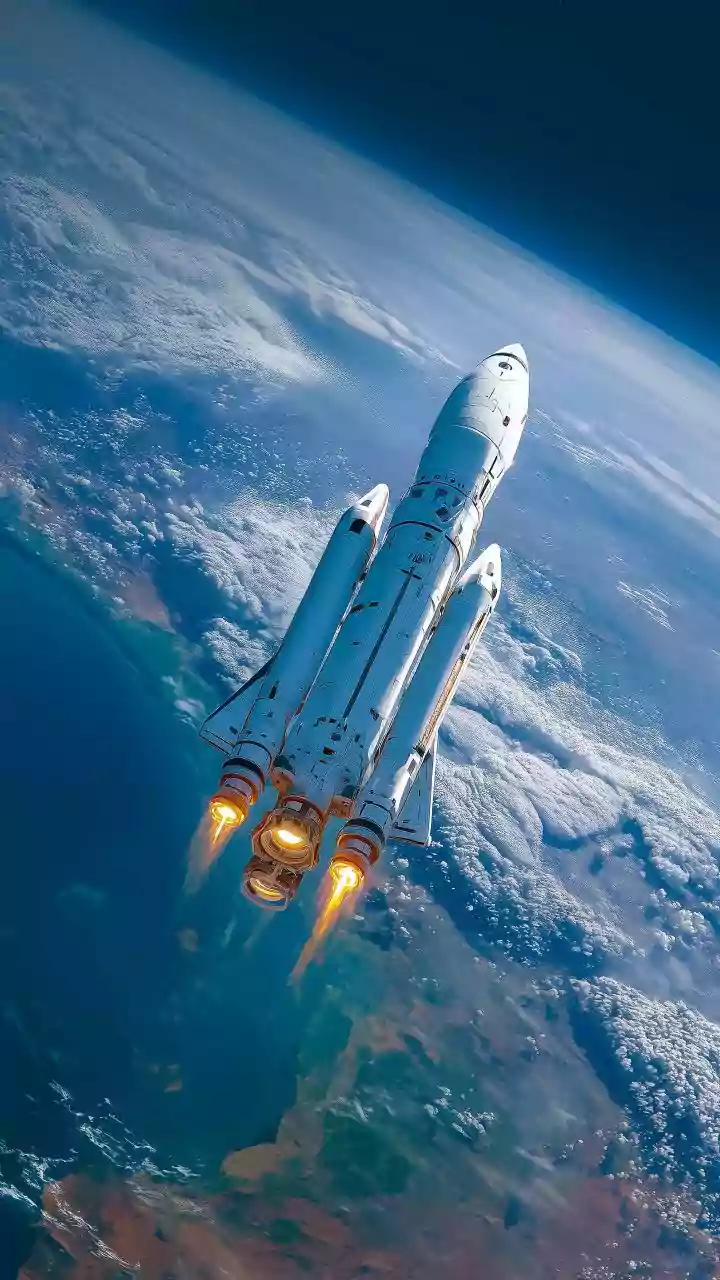
reusability; the upper stage is still expended. Starship aims to change that entirely. The vision is a two-stage system where both the Super Heavy booster and the Starship upper stage return to the launch site, ready to be refueled and flown again. This isn't just about saving money on hardware; it's about transforming spaceflight from a bespoke, costly endeavor into something more like commercial aviation, with frequent, routine flights.
Why Catch Instead of Land?
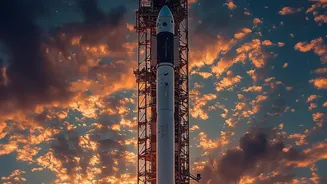
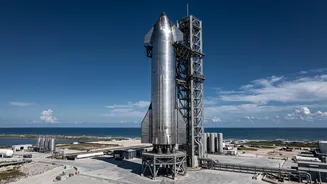
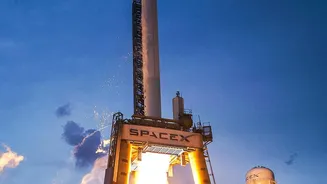
Unlike the Falcon 9, which uses landing legs, the Starship system is designed to be caught by the launch tower itself. This massive structure, nicknamed 'Mechazilla', uses two large arms—often called 'chopsticks'—to grab the returning booster and spacecraft out of the air. The primary reason for this complex maneuver is speed. By eliminating landing legs, SpaceX saves a significant amount of weight on the vehicle itself. More importantly, catching the rocket directly at the launch pad eliminates the need to transport it, inspect it, and then move it back to the pad for stacking. The tower that launches the rocket also catches it, services it, and stacks it for the next flight, making a turnaround time of mere hours theoretically possible.
The Flight 15 Breakthrough
The 15th test flight, which launched on November 13, 2026, was the first attempt at a 'double catch'—recovering both the booster and the ship. The mission was a partial success. While the Super Heavy booster experienced an issue and was diverted for a splashdown in the Gulf of Mexico, the Starship spacecraft completed its mission. After spending 22 hours in orbit and deploying 26 Starlink satellites, the ship re-entered the atmosphere, performed a 'belly flop' maneuver to slow down, and then oriented itself vertically to be caught by the Mechazilla arms. It marked the first time any orbital upper stage had ever been recovered this way, a monumental achievement.
An Immense Engineering Challenge
Catching the upper stage is far more difficult than catching the booster. The ship returns from orbital velocity, traveling around 17,500 miles per hour, and must endure the extreme heat of reentry before guiding itself with pinpoint precision to the tower. The vehicle must autonomously fly itself into position between the 'chopstick' arms, which then have to close at the right moment to secure it. Any significant deviation in its trajectory could lead to a catastrophic collision with the launch tower, causing massive damage. The successful catch during Flight 15 proved the core concept is viable, but a double catch on a single mission remains an unfinished goal.
What Comes Next
With the first ship catch complete, SpaceX's next steps are clear. First, the company must diagnose why the Super Heavy booster failed its recovery attempt during Flight 15 and ensure it can be reliably caught, as it has been on previous flights. Second, it must achieve a 'double catch' on a single mission, proving the entire system works as designed. Finally, the focus will shift to rapid turnaround. Recovering the hardware is only half the battle. The true test of full reusability will be how quickly Starship can be inspected, refurbished, and launched again. SpaceX's goal of launching thousands of times a year depends entirely on mastering this rapid, repeatable process.