







The Real Health Risks of Loneliness
For decades, public health has focused on the tangible risks of smoking, poor diet, and a sedentary lifestyle. Now, a growing body of evidence shows that social isolation is just as dangerous. According to the World Health Organization and other health bodies,
chronic loneliness is a significant public health issue. It is strongly linked to a higher risk of numerous serious conditions, including heart disease, stroke, type 2 diabetes, dementia, and depression. In fact, some studies suggest that a lack of strong social relationships can increase the risk of premature death by 50%, making it more dangerous than obesity or physical inactivity. The reason lies in our biology. Chronic loneliness can activate the body's stress response, leading to sustained inflammation and elevated levels of hormones like cortisol. This state can weaken the immune system, disrupt sleep, and strain the cardiovascular system.
From Reactive to Proactive: Socializing as a Health Strategy
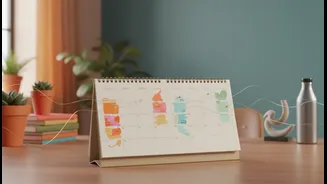
The good news is that the opposite is also true. Strong social connections can act as a powerful buffer against these health risks. This is where the idea of a social calendar as a preventive health tool comes in. Instead of viewing socialising as a luxury to be squeezed in when time allows, we should treat it with the same intention as we do a workout schedule or meal prepping. It's a proactive measure, not a reactive one. This approach, sometimes called 'social prescribing' by healthcare professionals, involves intentionally planning social activities to improve well-being before problems arise. By scheduling regular social contact, you’re not just having fun; you're actively managing stress, boosting your immune response, and protecting your cognitive function.
How to Build Your Preventive Social Calendar
Creating a social health plan doesn't have to be overwhelming. The goal is consistency and quality, not a packed schedule that leads to burnout. Start by auditing your current social life and identifying areas for gentle improvement. You can begin by scheduling just one or two social activities a week. Mix the types of interaction to get a variety of benefits. Plan a one-on-one coffee with a close friend for deep connection, a group hobby activity to foster a sense of belonging, and even a quick phone call to a family member to maintain ties. It's also helpful to remember that not all socialising has to be high-energy. Scheduling a low-key walk, a quiet visit, or doing a shared, relaxing activity can be just as beneficial. The key is to put it in the calendar, making it a non-negotiable appointment with your well-being.
Quality Over Quantity: Nurturing Meaningful Connections
A calendar full of superficial interactions won’t deliver the same health benefits as a smaller number of deep, supportive relationships. It’s the quality of the connection that matters most. Good friends provide emotional support, encourage healthy habits, and can improve your self-confidence. They can help you cope during difficult times, which directly lowers stress and its physical consequences. Nurturing these bonds requires effort. Make it a point to be fully present during conversations, putting your phone away to show you are engaged. Reach out to friends not just when you need something, but simply to check in. Small, consistent acts of caring are what build the strong, health-protective relationships that last a lifetime.
Overcoming Common Hurdles to a Social Life
Many people find it difficult to build or maintain a social life due to work, family obligations, or social anxiety. If your schedule feels too packed, start by looking for small pockets of time. Can you turn a solo lunch break into a walk with a colleague? Can you schedule a 15-minute video call while dinner is cooking? If you've moved to a new area, joining a group based on a hobby—like a book club, sports team, or volunteer organization—is an excellent way to meet like-minded people. For those who struggle with social anxiety, it's okay to start small. A short, structured interaction might feel more manageable than a large party. The important thing is to take that first step, no matter how small it seems.