






The Pioneers of the Private Push
The trend of scientists moving from the Indian Space Research Organisation (ISRO) to the private sector isn't just a statistic; it's a story told through its pioneers. Many of the most celebrated new space companies were founded by ISRO alumni. Pawan
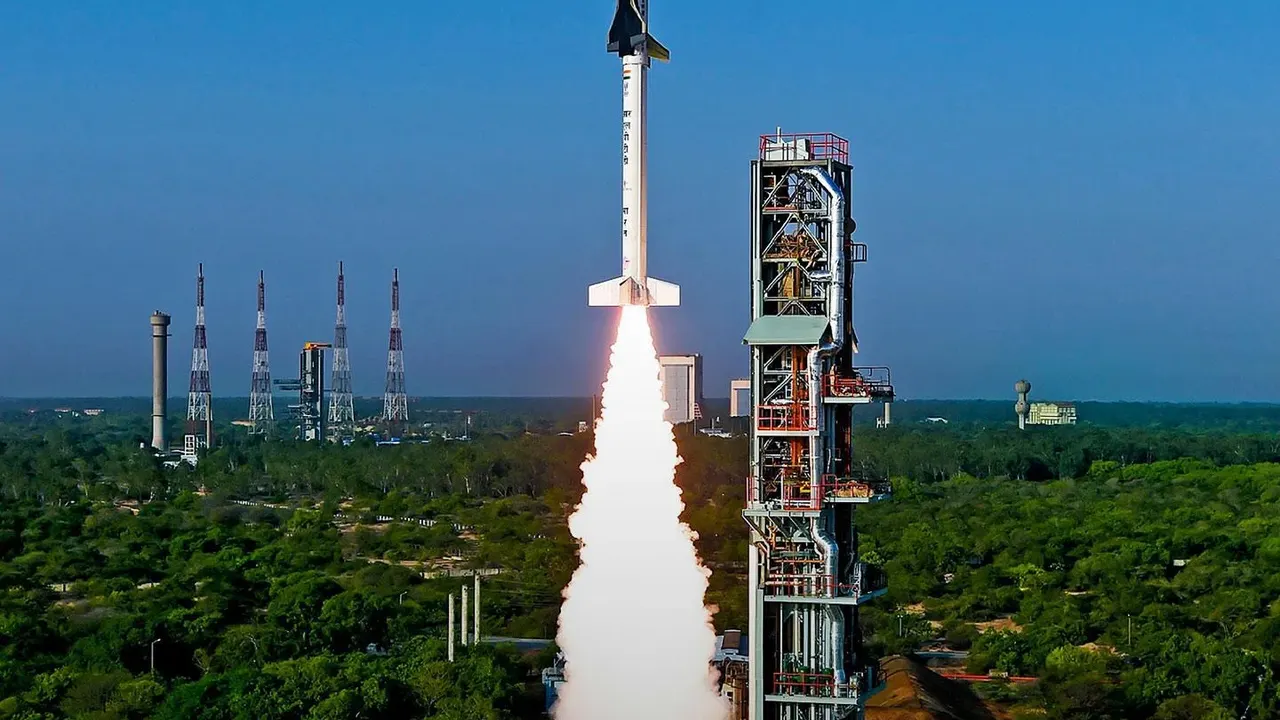
Kumar Chandana and Naga Bharath Daka, both former ISRO scientists, founded Skyroot Aerospace in 2018. Their company recently made history by launching Vikram-1, India’s first privately developed orbital rocket, making India only the third country with a private orbital launch capability. Similarly, companies like Agnikul Cosmos, Pixxel, and Bellatrix Aerospace are either founded or heavily staffed by former ISRO talent. This migration isn't just of junior engineers. Senior scientists with years of invaluable mission-critical experience, including those from the successful Chandrayaan-3 moon mission, are making the switch. According to reports, over 100 scientists have resigned or taken voluntary retirement in recent months, with significant numbers leaving key centers like the U R Rao Satellite Centre in Bengaluru.
The Allure of the Startup World
The pull of the private sector is multifaceted and powerful. For many scientists, it's a straightforward financial decision. Venture capital-backed startups can offer salaries that are three to five times higher than what ISRO provides. Beyond salary, these companies offer employee stock options (ESOPs), giving talent a direct stake in the company's success. The financial upside can be immense; the founders of Skyroot, for instance, now hold stakes worth thousands of crores in a company valued at over a billion dollars. But money is only part of the story. Startups offer a dynamic, fast-paced environment where ideas can move from the drawing board to hardware in a fraction of the time it might take within a large government bureaucracy. This agility, combined with the opportunity to take on leadership roles much earlier in their careers, presents a compelling alternative to the more structured and sometimes slower progression within a government organisation.
The View from ISRO's Launchpad
For decades, ISRO was the undisputed destination for India's brightest aerospace minds. It offered something beyond a salary: the chance to contribute to national pride and be part of historic missions. That compact is now under strain. While ISRO's pay is competitive by government standards, it struggles to match the private sector's financial firepower. Furthermore, some current and former employees point to organisational bottlenecks, mission delays, and an increasingly centralized decision-making process as factors eroding motivation. The government has taken notice of the trend. In July 2026, the Department of Space issued a directive restricting resignations and voluntary retirements for scientists involved in critical projects like the Gaganyaan human spaceflight mission, requiring all such exits to be approved at the highest level. This move signals the government's concern about losing irreplaceable, mission-specific knowledge at a crucial time.
A Brain Drain or a Brain Gain?
The departure of top talent from a premier national institution naturally raises alarms about a 'brain drain'. However, many experts argue for a different perspective. Unlike previous decades where talent might have moved overseas, these scientists are not leaving the country; they are strengthening India's domestic space ecosystem. Their expertise, honed over years at ISRO, is now fueling innovation and commercial success in the private sector. This circulation of talent is seen by some as a healthy and necessary evolution for a maturing industry. The Indian government itself catalyzed this shift by opening the space sector to private players in 2020 and establishing IN-SPACe to facilitate their growth. The policy was designed to create a vibrant ecosystem, and the movement of talent is a direct consequence of its success. The challenge for ISRO is adapting to its new role as an anchor institution in a larger, more competitive landscape.