



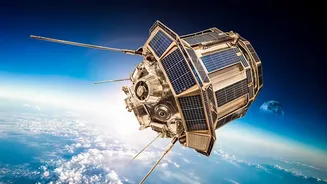
An Alliance to Watch the World
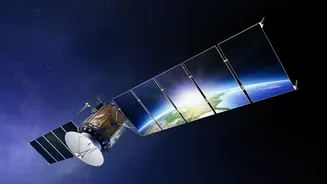
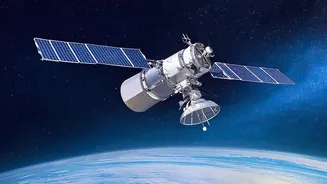
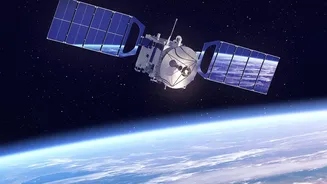
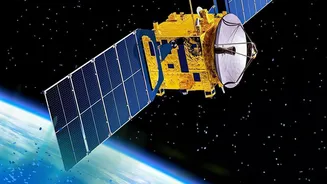
The project, named FireSat, is a collaboration between several key players. The initiative is led by the nonprofit Earth Fire Alliance, which is dedicated to creating a global wildfire monitoring system. The satellites themselves are designed and operated
by Muon Space, a company specialising in building and managing space systems. Google’s crucial role is providing the artificial intelligence and cloud infrastructure that turns raw satellite data into actionable alerts. The partnership aims to overcome the limitations of current wildfire detection methods, which often rely on public reports or existing satellites not purpose-built for fire spotting.
How AI Spots a Spark From Space
The process begins with FireSat's satellites, which are equipped with advanced multispectral infrared sensors. These instruments scan the Earth's surface for the tell-tale heat signatures of a fire, capable of detecting anomalies as small as 5x5 meters. This high-resolution thermal data is then fed into Google's AI models. The AI's job is to analyse the new image and compare it with thousands of previous images of the same location, while also considering factors like local weather. This allows the system to distinguish a genuine new wildfire from other heat sources like industrial facilities or sun-baked rock, dramatically reducing false alarms.
The Critical Advantage of Speed
The primary advantage of the FireSat system is time. Traditional satellite systems can take hours to confirm a new fire, and their resolution may be too low to spot small ignitions until they have grown significantly. FireSat is designed to change that. When the full constellation of over 50 satellites is operational, it will be able to revisit any location on Earth every 20 minutes. This rapid refresh rate means that alerts can be sent to fire agencies within minutes of detection, not hours. In firefighting, this time difference is monumental, potentially allowing responders to extinguish a small blaze before it explodes into an uncontrollable inferno.
From Prototype to Operational Force
The FireSat program is no longer just a concept. A prototype satellite launched in March 2025 successfully tested the system and even detected small fires that other systems missed. Building on that success, the first three operational FireSat satellites were launched in the summer of 2026, marking the beginning of the system's operational testing phase with real emergency agencies. The plan is to continue deploying additional satellites in stages over the coming years to build out the full constellation. The initial phase has been supported by over $15 million in funding from Google.org, highlighting the project's structure as a public-interest service driven by private technology and philanthropic capital.
A New Tool, Not a Silver Bullet
While revolutionary, FireSat is not intended to replace existing firefighting tools like ground-based lookout towers, aircraft, or public 911 calls. Instead, it serves as a powerful new layer in a comprehensive "sensor web," providing coverage for vast, remote areas where other infrastructure doesn't exist. The challenge moving forward will be to build trust with emergency agencies, ensuring that the AI-generated alerts are reliable enough to act upon immediately. The data will also be invaluable for scientists, providing an unprecedented dataset to better understand fire behaviour, predict its spread, and study its long-term environmental impacts.