



The Problem with Fruit-Only Smoothies
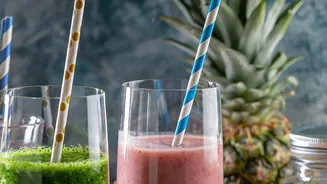
While delicious and packed with vitamins, a smoothie made entirely of fruit is mostly carbohydrates. These natural sugars, when consumed without other nutrients to slow their absorption, can cause a rapid spike in blood sugar followed by a crash. This
is why you might feel energetic for a short time but then find yourself hungry and sluggish an hour later. Without the balancing effects of protein and fat, a fruit smoothie is more of a temporary snack than a substantial meal, and it misses an opportunity to deliver longer-lasting energy and fullness.
Protein: The Satiety Superstar
Adding a quality protein source is the single most effective way to make a smoothie more filling. Protein digests more slowly than carbohydrates, which helps to stabilize blood sugar levels and prevent that dreaded crash. It also increases the levels of satiety hormones in your body, which send signals to your brain that you are full, reducing overall hunger. This feeling of fullness, or satiety, is crucial for preventing overeating later in the day. Beyond keeping you full, protein is essential for muscle repair and maintenance, making a protein-boosted smoothie an excellent choice after a workout.
Don't Fear Healthy Fats
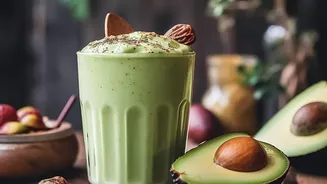
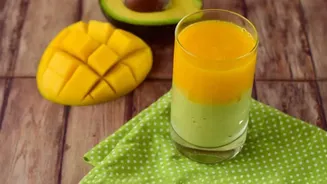
Fat has long been misunderstood, but including healthy, unsaturated fats in your smoothie is a game-changer for satisfaction. Like protein, fat slows down digestion, contributing to a longer-lasting feeling of fullness. This means you get a steady release of energy instead of a quick jolt. Fats are also essential for absorbing fat-soluble vitamins (A, D, E, and K) that might be in your smoothie's other ingredients, like leafy greens. Furthermore, fats like those from avocado, nuts, and seeds add a rich, creamy texture that makes your smoothie feel more like a decadent treat.
Smart Sources for Your Smoothie
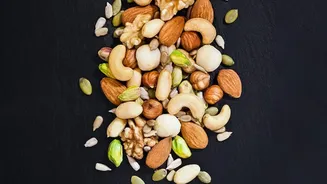
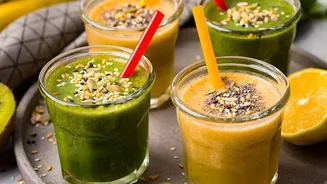
Building a balanced smoothie is easy when you know what to add. For protein, consider unsweetened Greek yogurt, which also provides probiotics, or cottage cheese. Plant-based options include silken tofu, hemp seeds, or a quality protein powder like whey, pea, or soy. For healthy fats, a quarter or half an avocado lends incredible creaminess. A tablespoon of nut butter (almond or peanut), chia seeds, or ground flaxseeds not only adds fat but also fiber and extra protein. These ingredients work together to transform your drink into a complete, balanced meal.
The Importance of Portion Size
Adding protein and fat boosts nutritional value, but it also increases the calorie count. This is where portion control becomes critical. One of the biggest mistakes people make is creating super-sized smoothies that can easily contain enough calories for two meals. An unintentionally large smoothie can lead to weight gain, even with healthy ingredients. Aim for a total volume of 8 to 12 ounces (about 250-350 ml) for a single serving. Be mindful of your additions: stick to one or two tablespoons of nut butter or seeds, and about a cup of fruit. Measuring your ingredients, at least initially, can help you understand what a proper portion looks like.