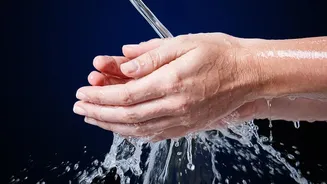




The Core Myth: Should You Avoid Bathing?
A common belief, particularly in many Indian households, is that bathing can worsen a fever or prolong illness. However, medical experts generally agree this is a misconception. In most cases, taking a bath when you have a fever is not only safe but can also
be beneficial. The primary goal of a bath during a fever isn't to 'cure' it, but to provide comfort, improve hygiene by washing away sweat, and help you feel more refreshed. A fever is a symptom that your body is fighting an infection, and feeling clean can be a significant psychological boost during illness.
The Big Mistake: Why Cold Water is a Bad Idea
It might seem logical to use cold water to combat a high temperature, but doctors strongly advise against it. A cold or ice bath can be counterproductive and even dangerous. The sudden cold triggers shivering, which is your body's natural mechanism to generate heat. This muscular activity can actually cause your core body temperature to increase, making the fever worse. Furthermore, the shock of cold water is uncomfortable, especially when you already have chills, and can put unnecessary stress on your system.
The ‘Just Right’ Solution: Lukewarm Water
The consensus among health professionals is to use tepid or lukewarm water—around 85-95°F (29-35°C). This temperature is comfortable and helps to gently cool the body through evaporation without causing the shock and shivering associated with cold water. Extremely hot baths should also be avoided, as they can raise your body temperature further, increase dehydration through sweating, and make you feel dizzy or weak. A lukewarm bath strikes the perfect balance, helping to provide relief and comfort without adding extra stress to your body.
How to Take a Safe and Soothing Fever Bath
To get the most benefit, a few simple guidelines can help. Keep the bath or shower brief, ideally between 5 to 15 minutes. Prolonged immersion isn't necessary and can tire you out. If you feel dizzy or very weak, consider a sponge bath instead, or have someone nearby for safety. After the bath, pat yourself dry gently and dress in light, breathable clothing to avoid trapping heat. The main objective is comfort, so if a bath doesn't sound appealing, a sponge bath with a damp cloth on the forehead, neck, and armpits can also be effective.
Special Considerations for Children
For children, a lukewarm sponge bath is often recommended and can be very effective. The principles are the same: avoid cold water, ice, and alcohol rubs, as they can cause shivering or be absorbed through the skin. Make sure the room is warm and free of drafts. The bath should be short, about 5-10 minutes, and it's important to stop if the child starts shivering. For babies under 3 months with any fever, or for children with very high fevers or other worrying symptoms, it's always best to consult a doctor before trying home remedies.
When Should You Skip the Bath?
While generally safe, there are times when it's better to postpone a bath. You should avoid bathing if you are feeling extremely weak, dizzy, faint, or confused. If standing safely is a challenge, it's a clear sign to opt for a sponge bath or simply rest. A fever is your body's response to an underlying issue, so listening to your body is crucial. Rest and hydration are the most important components of recovery.