








Understanding the Winter Smog Trap
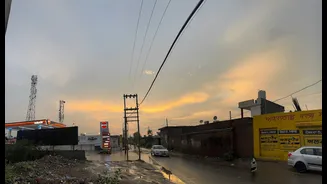
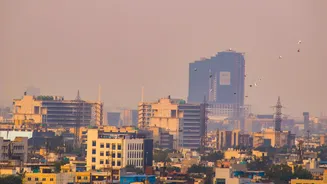
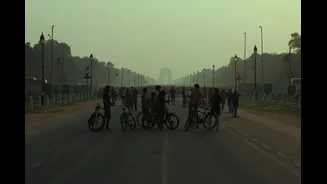
Every winter, a combination of factors creates a perfect storm for hazardous air quality in the National Capital Region. Cooler temperatures lead to a phenomenon called temperature inversion, where a layer of warm air traps cold, dense air near the ground.
This trapped layer prevents pollutants from dispersing into the upper atmosphere. Compounding this are major pollution sources: vehicular and industrial emissions, construction dust, and smoke from agricultural stubble burning in neighbouring states. The result is a thick, stagnant blanket of smog rich in harmful pollutants, most notably fine particulate matter known as PM2.5. These microscopic particles are small enough to bypass the body’s natural defences and penetrate deep into the lungs, causing significant irritation and inflammation.
How Smog Attacks Sensitive Airways
For individuals with pre-existing respiratory conditions like asthma or Chronic Obstructive Pulmonary Disease (COPD), smog is not just an irritant—it's a direct threat. The PM2.5 particles and toxic gases like nitrogen dioxide inflame the lining of the bronchial tubes, which are already sensitive. This causes the airways to swell, narrow, and produce excess mucus, making it difficult to breathe. This can trigger severe asthma attacks, characterized by wheezing, coughing, chest tightness, and shortness of breath. For those with COPD, exposure can lead to dangerous exacerbations, increasing mucus production and causing laboured breathing that may require hospitalization. The cold, dry winter air itself can also constrict airways, making the impact of pollutants even more severe.
Who Is Most Vulnerable?
While people with diagnosed conditions like asthma and COPD are at the highest risk, they are not the only ones affected. Children are particularly vulnerable because their lungs are still developing and they breathe more rapidly, inhaling a larger volume of pollutants relative to their body size. The elderly are also at high risk due to naturally declining lung function and weaker immune systems. Even healthy individuals can experience symptoms like a persistent cough, sore throat, and reduced lung function from prolonged exposure to severe smog. Over time, this exposure can increase the risk of developing chronic respiratory diseases.
Your Action Plan for Safer Breathing
Proactive measures can significantly reduce your risk during high-pollution days. The first step is to stay informed. Check the Air Quality Index (AQI) daily using a reliable app. When the AQI is in the 'Poor' or 'Severe' categories (above 200), it's crucial to limit your time outdoors. If you must go out, wear a well-fitted N95 or FFP2 mask, as surgical or cloth masks are not effective at filtering PM2.5 particles. Avoid strenuous outdoor exercise like jogging, as this increases the amount of polluted air you inhale. At home, keep windows and doors closed to prevent outdoor pollutants from entering. Using an air purifier with a HEPA filter in your most-used rooms, such as the bedroom, can create a 'clean air sanctuary' and drastically improve indoor air quality.
Medical Preparedness and When to Seek Help
For those with diagnosed respiratory conditions, adherence to your prescribed medication is non-negotiable during this season. Use your controller inhalers as directed by your doctor, even if you feel well, to keep airway inflammation under control. Always keep your rescue inhaler with you for immediate relief if symptoms flare up. It's also wise to have a personalized asthma action plan from your doctor, outlining what to do if your symptoms worsen. Be vigilant for red-flag symptoms such as severe shortness of breath that doesn't improve with your rescue inhaler, chest pain, high fever, or if your mucus changes colour. If you experience any of these, do not wait. Seek medical attention immediately.