






The Annual Scramble in India
For most salaried individuals in India, the end of July is synonymous with one thing: filing their Income Tax Return (ITR). The deadline for the 2025-26 financial year is July 31, 2026, and as the date approaches, a familiar sense of urgency sets in.
This process involves consolidating financial information, ensuring deductions are correctly claimed, and navigating the government's e-filing portal. India's tax system is progressive, meaning higher earners pay a larger percentage of their income in taxes. For the current assessment year, under the popular new tax regime, incomes are taxed in slabs, starting from 5% and going up to 30% for the highest earners, plus applicable surcharges. This system of direct taxation is the primary way the government funds public services, infrastructure, defence, and welfare schemes for a population of over 1.4 billion people.
Life Without Income Tax in Monaco
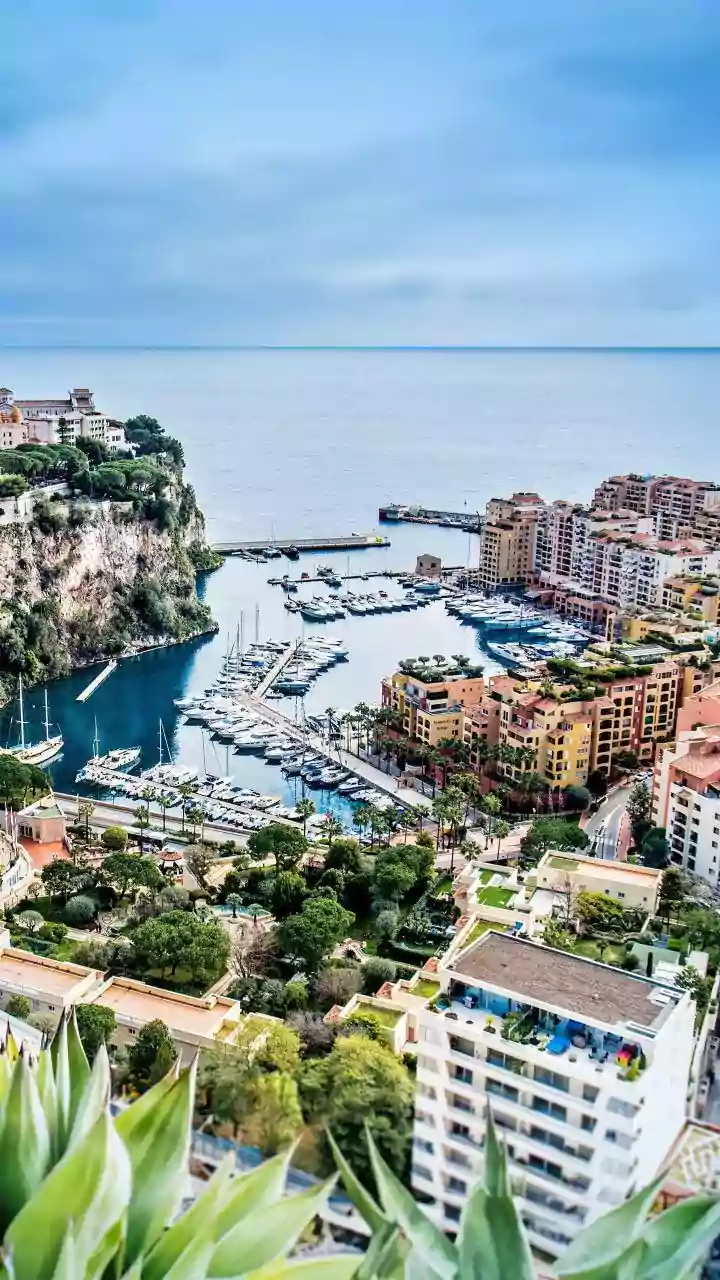
Now, imagine a country where residents haven't worried about personal income tax since 1869. Welcome to Monaco, the tiny, glamorous principality on the French Riviera. For its residents, the concept of filing an annual income tax return is entirely foreign. The country levies no tax on personal income, capital gains, or wealth. This policy was established by Prince Charles III to attract wealthy individuals and businesses after the principality lost most of its territory to France. The result is a population where over 30% are millionaires, drawn by the fiscal freedom and high standard of living.
The 'Tax-Free' Myth Debunked
But calling Monaco completely "tax-free" is a simplification. The government has to generate revenue somehow. One of the biggest sources of income is a Value Added Tax (VAT), which is levied at the same rate as in France (currently 20% on most goods and services). This means that while residents don't pay tax on what they earn, they pay a significant tax on what they spend. Furthermore, there's a major exception to the no-income-tax rule: French citizens residing in Monaco are generally still subject to French income tax due to a 1963 bilateral agreement. Companies also face a profits tax if more than 25% of their turnover is generated outside Monaco.
How the Principality Funds Itself
So, where does the money come from? A large portion, estimated at around 50%, comes from VAT receipts. The rest is a mix of revenue from state-owned enterprises, including the famous Monte Carlo Casino (though its contribution to the state budget is now less than 5%), real estate transaction taxes, and corporate taxes. The country thrives by taxing consumption and business activity heavily, rather than individual income. This model works for a small, dense, and extremely wealthy city-state of just two square kilometers, where high-end tourism and finance are major economic drivers.
The Price of a Tax-Free Life
Living this tax-free dream isn't as simple as just moving there. Becoming a resident of Monaco comes with a very high barrier to entry. Applicants must prove they have a place to live, which in one of the world's most expensive real estate markets is a challenge in itself. They must also demonstrate financial self-sufficiency, which typically involves depositing a substantial sum—often at least €500,000—into a Monaco bank account. Finally, applicants must have a clean criminal record. These stringent requirements ensure that the principality attracts only high-net-worth individuals, effectively making wealth a prerequisite for enjoying the tax benefits.
Two Nations, Two Fiscal Philosophies
The comparison between India's ITR deadline and Monaco's tax-free life highlights two fundamentally different philosophies of governance and citizenship. India's tax system is built on the principle of broad-based contribution for collective welfare in a massive, developing democracy. It's a social contract where citizens directly fund the state's extensive responsibilities. Monaco, on the other hand, operates more like an exclusive club. Its model is designed to attract global capital by offering a haven from the direct taxes common elsewhere, funding its high-quality public services through other means like consumption taxes and business revenues. While the idea of no income tax might sound appealing as the ITR deadline looms, the realities of these two nations show that there is no one-size-fits-all approach to running a country.