



A Historic Mission and a Precious Cargo
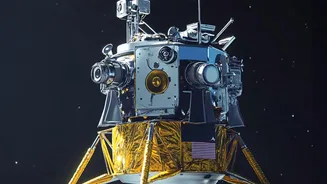
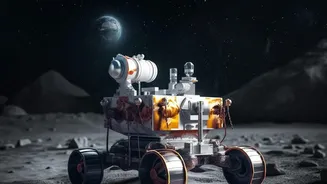
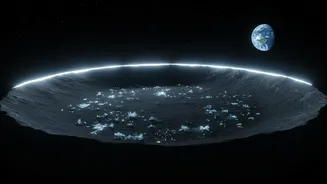
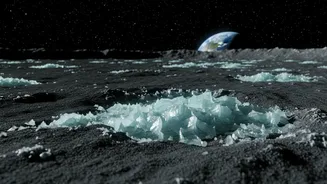
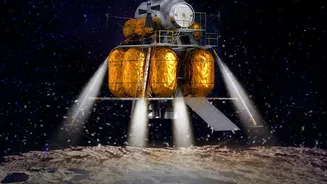
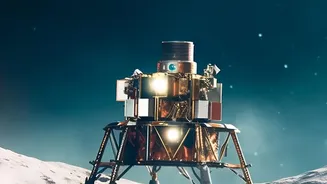
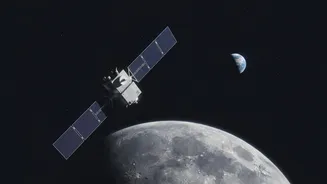
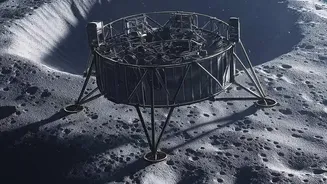
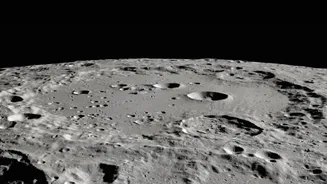
China's ambitious Chang'e-6 mission made history by successfully landing in the vast South Pole-Aitken (SPA) basin on the lunar far side in June 2024. This region, invisible from Earth, is home to one of the largest and oldest impact craters in the entire
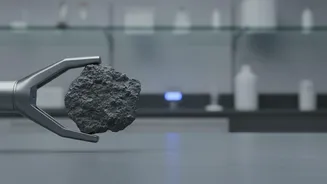
solar system. The lander collected nearly two kilograms of precious rock and soil before beginning its journey home. For decades, our entire understanding of the Moon's geology was based on samples from the near side, collected by the Apollo, Luna, and previous Chang'e missions. These new samples provide the first tangible evidence from the far side, offering a completely fresh perspective on lunar evolution.
Rewriting the Solar System's Most Violent Chapter
For years, many scientists believed in a theory called the Late Heavy Bombardment—a brief, cataclysmic spike of asteroid impacts that pummeled the inner solar system around 3.9 billion years ago. This idea was largely based on the fact that many Apollo and Luna samples from the near side seemed to date to this specific period. However, the Chang'e-6 samples challenge this narrative. Analysis of tiny rock fragments melted by impacts shows a wide distribution of ages, from as old as 4.33 billion years to as young as 1.13 billion years ago. The fragments show no significant cluster around the 3.9-billion-year mark, suggesting the bombardment was not a sudden cataclysm but a long, steady decline in impact activity over billions of years.
A Cleaner Historical Record
So why do the far-side samples tell a different story? Scientists suspect that previous samples from the near side were contaminated. A massive impact that formed the Mare Imbrium basin about 3.92 billion years ago likely spread debris far and wide across the near side, skewing the age data from many landing sites. The far side, particularly the Chang'e-6 landing site within the Apollo basin, was largely shielded from this event. This has preserved a cleaner, more pristine record of the Moon's entire impact history, like finding a lost book of the solar system's chaotic youth. By studying these samples, scientists can more accurately date major impact events and build a more reliable timeline of when large collisions were common.
Unlocking Clues to Our Own Planet
This revised history of the Moon has profound implications for understanding the early days of Earth. Our planet experienced the same violent environment, but geological processes like plate tectonics and erosion have erased almost all evidence of this ancient past. The Moon, being geologically quiet, acts as a time capsule. By studying its preserved crater and impact history, we can better understand the conditions that Earth endured when life was first emerging. The samples also reveal other fundamental differences between the Moon's two sides, including variations in composition, volcanic activity, and even how they are weathered by the solar wind, providing new clues to the enduring mystery of why the two hemispheres are so different.