




A Paradise of Petals
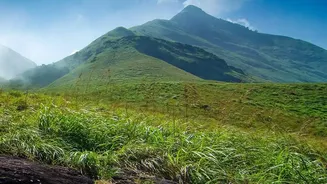
Every year, usually after the monsoon, parts of India transform into vast, colourful canvases. The most famous of these is the Kaas Plateau in Maharashtra, a UNESCO World Heritage site known as Kas Pathar. From late August to October, this laterite plateau
bursts into life with over 850 species of flowering plants, creating a spectacle of pink, yellow, and purple. Similarly, the Valley of Flowers in Uttarakhand offers a stunning display of alpine flora against the backdrop of the Himalayas. These are not just pretty sights; they are incredibly delicate ecosystems. Some flowers, like the Topli Karvi, bloom only once every seven years, making each blossom precious. These areas are biodiversity hotspots, home to rare and endemic species that exist nowhere else on Earth.
The Footprint of a Thousand Selfies
The urge to get closer—for that perfect, immersive social media shot—is strong. But straying from the designated path has devastating consequences. When we step on wildflowers, we don't just crush a few stems; we prevent them from producing seeds for the next generation. More importantly, trampling compacts the soil. This compaction reduces oxygen and water access for the roots and can destroy the vast underground fungal networks that plants use to share nutrients. A path created by just a few people can become a dead zone, isolating plants and making it impossible for new seeds to take root. Studies have shown that even light trampling significantly reduces the height and cover of vegetation, and these fragile communities have low resilience. The damage is often invisible to the naked eye but can take years to heal, if ever.
Stay on the Path to Preservation
The good news is that you don’t have to choose between enjoying the bloom and protecting it. Authorities in these sensitive zones have already done the work for you. At places like the Kaas Plateau, there are designated pathways, viewing platforms, and fenced-off areas. These are not there to spoil your fun; they are designed to give you the best possible views without harming the flowers. Visitor numbers are often capped—Kaas, for instance, allows only 3,000 people per day in specific time slots—to minimise pressure on the ecosystem. Booking tickets online in advance is often mandatory, especially for weekend visits. By respecting these boundaries, you become an active participant in conservation, ensuring the flowers return year after year.
How to Be a Green Photographer
You can still capture stunning photographs without becoming part of the problem. Instead of wading into the flowers, use the power of perspective. A zoom lens is your best friend; it allows you to isolate a beautiful cluster of flowers from a distance. Try getting low on the designated path and shooting upwards, using the sky as a backdrop. This can make a small patch of flowers look like a vast field. Focus on the details: a single dew-kissed petal or a bee visiting a blossom can make for a more compelling photo than a wide shot of a trampled meadow. Remember, the goal is to capture the beauty of nature, not to document its destruction.
Broaden Your Experience, Lighten Your Impact
Responsible tourism is about more than just where you step. When visiting areas like the Valley of Flowers or Kaas Plateau, consider hiring a local guide. They can point out rare species you might otherwise miss and share stories about the region's cultural significance. Extend your trip to explore nearby attractions, like the Thoseghar waterfalls near Kaas. This helps distribute the economic benefits of tourism and reduces overcrowding at the main site. By staying in locally-owned guesthouses and eating at local establishments, you ensure that your visit directly supports the communities that are the custodians of these natural treasures. Your trip becomes richer, and your impact more positive.