


The Vibe: Precision vs. Party
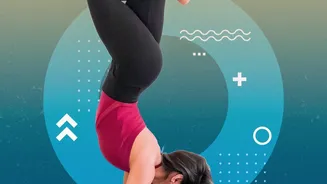
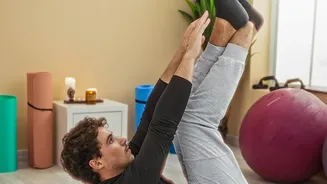
Walking into a Pilates studio often feels like entering a space of calm and focus. The atmosphere is typically serene, with an emphasis on mindful movement. It’s a low-impact workout where the goal is intentional, controlled execution. In stark contrast,
a Zumba class feels like a high-energy dance party. Driven by infectious Latin and international music, the vibe is social, expressive, and all about letting loose. The focus isn't on perfect form but on continuous movement and fun, creating a supportive community atmosphere.
The Core of the Workout: Control vs. Cardio
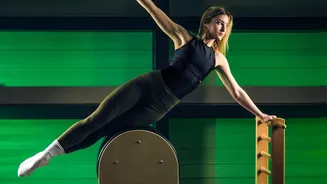
Pilates is fundamentally a practice of strength, stability, and control, built on principles like concentration, centering, and breath. Movements originate from your core—often called the "powerhouse"—to build long, lean muscles, improve posture, and enhance overall body alignment. It’s often performed on a mat or specialized equipment. In contrast, Zumba is a high-intensity cardio workout disguised as dance. It uses an interval training approach, alternating between fast and slow rhythms to get your heart rate up and boost endurance. The choreography is designed to be easy to follow, working the entire body with a focus on legs and core through dance steps.
The Physical Payoff: Strength vs. Stamina
The primary physical benefits of Pilates include significant gains in core strength, improved flexibility, and better posture. It’s excellent for toning muscles without adding bulk and is often recommended for injury rehabilitation because it builds balanced strength and enhances joint mobility. Zumba's main reward is cardiovascular health. The high-energy, continuous movement is fantastic for burning calories, which can aid in weight loss, and for building stamina. While it also offers toning benefits, especially for the core and lower body, its primary strength is as a powerful aerobic exercise.
The Mind-Body Connection: Focus vs. Fun
The headline promises a mind-body experience, and both deliver, just differently. Pilates achieves this through intense focus. The required concentration on breath and precise muscle engagement creates a meditative state, reducing stress by calming the nervous system and lowering cortisol levels. It builds a deep awareness of how your body moves. Zumba’s mental benefits come from a place of joy and release. The combination of music and movement is a proven mood booster, triggering the release of endorphins. Following choreography also provides a cognitive workout, improving memory and focus while allowing you to escape daily worries in a fun, expressive way.