






Why the Monsoon Changes Everything
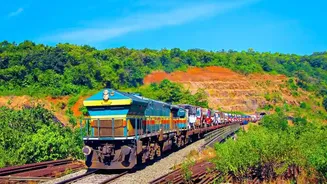
Every year, from mid-June to late October, Indian Railways implements a special monsoon timetable, primarily for routes that pass through geographically challenging terrains. The most prominent among these is the Konkan Railway route, a 739-kilometre
line spanning Maharashtra, Goa, and Karnataka, known for its stunning but vulnerable landscape of tunnels and mountain cuts. During the monsoon, heavy rains increase the risk of landslides, waterlogging on tracks, and reduced visibility. As a crucial safety measure, the railway administration mandates significant speed reductions. For instance, trains that might typically run at 120 km/h are capped at 75 or 90 km/h in sensitive sections. This slowdown is a non-negotiable safety protocol to prevent accidents on slippery or compromised tracks.
It’s More Than Just Departure Times
The common mistake passengers make is assuming the monsoon schedule only tweaks departure times. The reality is far more complex. While some trains do depart earlier—sometimes by several hours—the biggest impact is on the total journey duration. Speed restrictions naturally mean trains take longer to reach their destinations. A journey that normally takes 7.5 hours could stretch to 10. Furthermore, to manage the altered network capacity, railways may also reduce the frequency of popular services, such as premium trains like the Vande Bharat and Tejas Express, which might shift from running six days a week to just three. In some cases, trains can be cancelled or diverted entirely, especially during sudden, intense downpours that cause immediate operational hazards.
The Danger of a Single Train Search
Herein lies the critical issue for passengers with multi-part journeys. Imagine you are travelling from Delhi to Mangaluru, with a connecting train at Madgaon. You might search for your first train and see its new, adjusted monsoon timing. However, your connecting train from Madgaon might be operating on a different schedule, or its arrival time might be delayed far more than you anticipate. Relying on a single search can create a false sense of security. The few hours of buffer time you had planned between connections can evaporate due to the cascading delays caused by speed restrictions on the first leg of your journey. This is how travellers find themselves stranded, having missed a crucial link in their travel chain.
Your Step-by-Step Itinerary Check
To avoid getting caught out, a comprehensive check is essential. First, list every single train that is part of your journey. For each one, use an official platform like the National Train Enquiry System (NTES) or the IRCTC website to verify its latest schedule. Pay close attention to the estimated arrival time of each train, not just its departure. Calculate the new buffer period you have for each connection. If it seems too tight, it probably is. Finally, always have a backup plan. Research alternative trains or be prepared for a potential overnight stay in case of a missed connection. The railways advise all passengers with existing bookings on affected routes to verify timings before their journey begins.
Key Zones and What to Expect
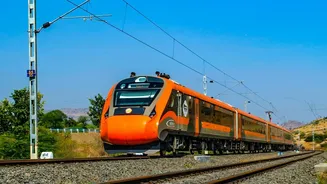
The monsoon timetable primarily impacts trains on the Konkan Railway route, affecting services under the Central, Western, Southern, and South Western Railway zones. This means dozens of long-distance trains originating from cities like Mumbai, Delhi, and Ahmedabad and heading towards Goa, Mangaluru, and Kerala will see significant changes. For instance, the Mumbai-Madgaon Vande Bharat Express and Tejas Express see both timing and frequency changes. Many trains passing through Mangaluru Junction, whether terminating there or proceeding towards Kerala, have their schedules completely revised. Services to and from major northern cities like Hazrat Nizamuddin and even parts of Gujarat and Rajasthan are also affected if they use the Konkan line for any part of their route.