

Tomatoes: The Counter is Kinder
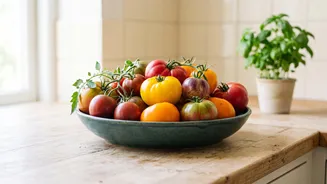
The single biggest mistake in many kitchens is refrigerating fresh tomatoes. That blast of cold air is an enemy to a tomato's delicate cell structure. Cold temperatures halt the enzymes that create those wonderful, complex, aromatic flavours. What you
get back is a bland, mealy shadow of the fruit it once was. The cold damages the membranes within the tomato's cells, preventing them from developing their characteristic tangy and acidic notes. The effect is largely irreversible; even letting it come back to room temperature won't restore the flavour you've lost. For peak taste and texture, keep whole, unripe tomatoes on your counter, away from direct sunlight. The one exception? If a tomato is perfectly ripe and you can't eat it within a day or two, the fridge can be a last resort to prevent it from going bad, but know you're trading flavour for time.
Potatoes & Onions: Separate and in the Dark
These two are classic pantry staples, but they are terrible roommates. Storing potatoes in the cold, damp environment of a refrigerator causes their starches to convert into sugar, resulting in a gritty texture and an unpleasantly sweet taste when cooked. Potatoes thrive in a cool, dark, dry place with good ventilation, like a paper bag or a crate in a pantry. Onions, on the other hand, need airflow to stay firm. The humidity in a fridge will make them soft and prone to mould. The most crucial rule, however, is to keep them apart. Onions release ethylene gas, a natural ripening agent that causes nearby potatoes to sprout and spoil much faster. Store them in separate, well-ventilated containers in a cool, dark cupboard for the longest shelf life.
Bread: The Freezer is Your Friend, Not the Fridge
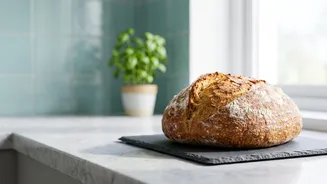
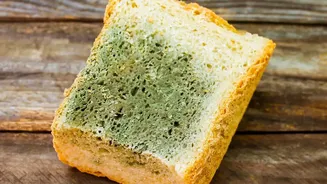
While it might seem logical to refrigerate bread to prevent mould, you're actually accelerating the process that makes it go stale. The cold temperature causes the starch molecules in bread to recrystallize much faster than at room temperature, resulting in a dry, hard loaf in record time. The best place for a loaf you'll eat in a few days is in a bread box or a paper bag on the counter, which allows for some air circulation while retaining enough moisture to keep it soft. For longer-term storage, the freezer is the perfect solution. Slice the loaf first so you can grab what you need, wrap it tightly, and it will keep for months.
Honey: A Natural Preservative that Hates the Cold
Honey is one of nature's marvels; its low water content and natural acidity mean it's incredibly shelf-stable and does not need refrigeration. In fact, putting honey in the fridge is the worst thing you can do to it. The cold temperature will cause the sugars to crystallize rapidly, turning your smooth, liquid gold into a thick, grainy, semi-solid mass that's difficult to use. This crystallization doesn't mean the honey has gone bad, but it ruins the texture. Simply store your honey in a sealed container at room temperature in your pantry, and it will remain perfectly edible virtually indefinitely. Archaeologists have even found still-edible honey in ancient Egyptian tombs.
Ripeness and Climate Matter
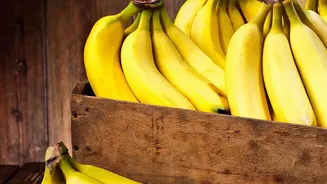
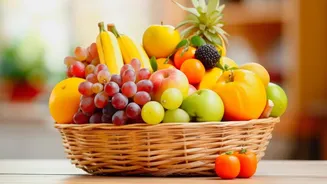
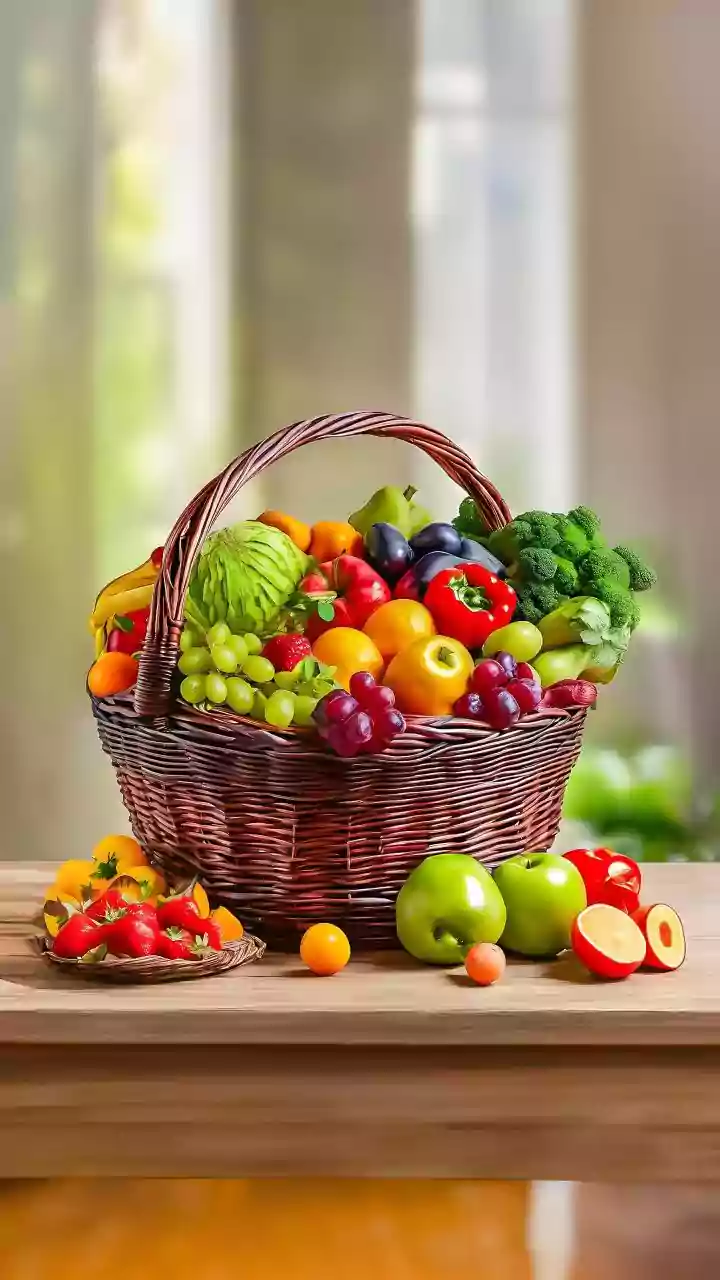
The 'fridge or counter' debate often depends on two key factors: ripeness and your home environment. Many fruits, like bananas, avocados, peaches, and pears, are 'climacteric,' meaning they continue to ripen after being picked, a process driven by the release of ethylene gas. These should be left on the counter to ripen. Once they reach your desired ripeness, moving them to the fridge can slow down the process and give you a few extra days. Non-climacteric fruits like citrus and berries don't ripen further after harvest. Your home's climate also plays a role. In a hot, humid kitchen, produce will ripen and spoil faster, so you may need to use the fridge sooner for ripe items than someone in a cooler, drier climate would.