





The Great Crop Swap
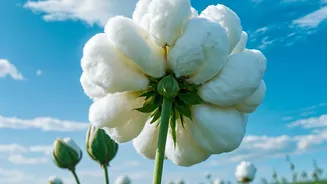
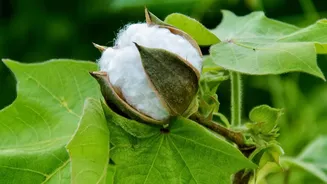
This year, Punjab's agricultural landscape has confirmed a seismic shift that has been years in the making. The area under cotton cultivation has plummeted to a historic low of just around 80,000 hectares. To put that in perspective, as recently as 2015,
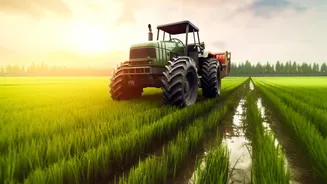
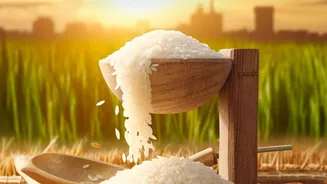
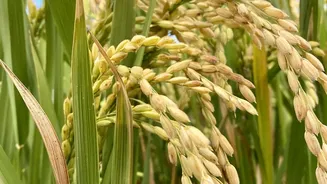
the state had over 335,000 hectares dedicated to the 'white gold'. Meanwhile, the area under paddy (rice) has surged to an all-time high of nearly 3.3 million hectares, covering more than 90% of the state's kharif season cultivation area. This isn't a simple crop rotation; it's a wholesale retreat from a traditional crop towards one that offers stability, even as it strains the state's most precious resource: water.
Following the Money: The MSP Safety Net
For the individual farmer, the choice is less about ecology and more about economy. The primary reason for paddy's dominance is the robust safety net provided by the government's Minimum Support Price (MSP) system. The government guarantees the purchase of every grain of paddy and wheat at a pre-announced price, ensuring a stable and predictable income. This system, which turned Punjab into India's food bowl, now locks farmers into a two-crop cycle. Cotton, on the other hand, offers no such guarantees. Farmers face volatile market prices, rising input costs, and significant risks from pest attacks, particularly the pink bollworm and whitefly, which have ravaged crops in recent years. Without an assured buyer and a stable price, cotton has become an economic gamble that fewer and fewer are willing to take.
The Hidden Water Bill
While the paddy-wheat cycle secures a farmer's income for the season, it is mortgaging Punjab's future. Paddy is one of the most water-intensive crops, consuming between 4,000 and 5,000 litres of water to produce a single kilogram of rice. This thirst has led to a catastrophic decline in the state's groundwater table. Today, nearly 80% of Punjab's administrative blocks are classified as 'over-exploited,' meaning groundwater extraction far exceeds the annual replenishable supply. In many parts of central Punjab, the water table is falling by up to a metre every year, forcing farmers to dig deeper, more expensive borewells. Compounded by policies like free electricity for farm pumps, the state is in a hydrological tailspin, with experts warning of desertification if the trend is not reversed.
A Policy Crossroads
The state government is acutely aware of the impending crisis. For years, it has promoted crop diversification, launching schemes with financial incentives to encourage farmers to switch to less water-intensive alternatives like maize, pulses, and oilseeds. This year, a scheme to promote maize was expanded to 16 districts. However, these efforts have barely made a dent. The reason is simple: the incentives are not enough to compete with the iron-clad security of MSP for paddy. Unless the central government steps in to provide similar procurement guarantees for alternative crops, farmers have little economic reason to switch. They are trapped in a system that rewards them for making an ecologically unsustainable choice, creating a classic conflict between individual livelihood and collective well-being.