




The Case Against Hyper-Specialization
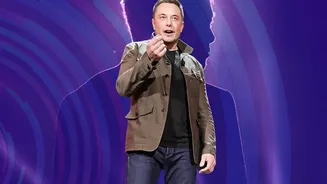
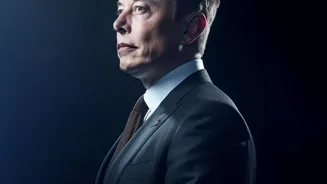
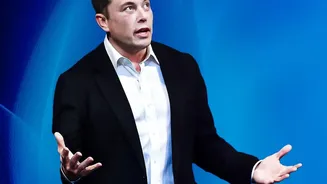
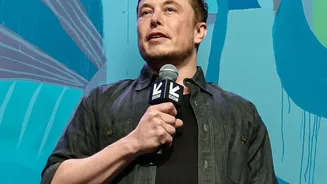
In an era defined by rapid technological change, Elon Musk's career advice for the younger generation is to resist the pressure to become a hyper-specialist too early. Instead, he advocates for a broad-based education that covers the arts, sciences, and
engineering. His reasoning is tied directly to the rise of AI. As artificial intelligence becomes capable of executing complex and narrowly defined tasks—from writing code to analyzing data—Musk believes the most valuable human contribution will shift. He argues that the advantage will no longer belong to the person who can simply perform a task, but to the one who can determine which task is worth doing in the first place. This requires a wide-ranging understanding of the world, not just deep expertise in a single domain.
Why Broad Knowledge is the New Superpower
Musk's core argument is that in a world flush with AI and robots, the scarcest resource will be well-formulated human direction. He suggests thinking of AI as the ultimate executor of tasks. To instruct these powerful systems effectively, humans will need to be able to ask the right questions and articulate their needs with clarity. This is where a broad knowledge base becomes critical. An understanding of history, psychology, economics, and culture provides the context needed to frame problems creatively and make sound judgments. Someone who can connect ideas from different fields is better equipped to identify novel challenges and opportunities that a purely specialized AI might miss. This concept has been described as being an "expert generalist," someone with the ability to master and integrate knowledge from many different disciplines.
Directing the Future of Robotics
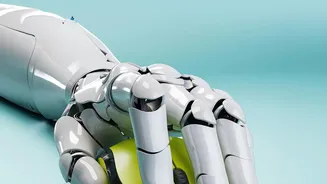
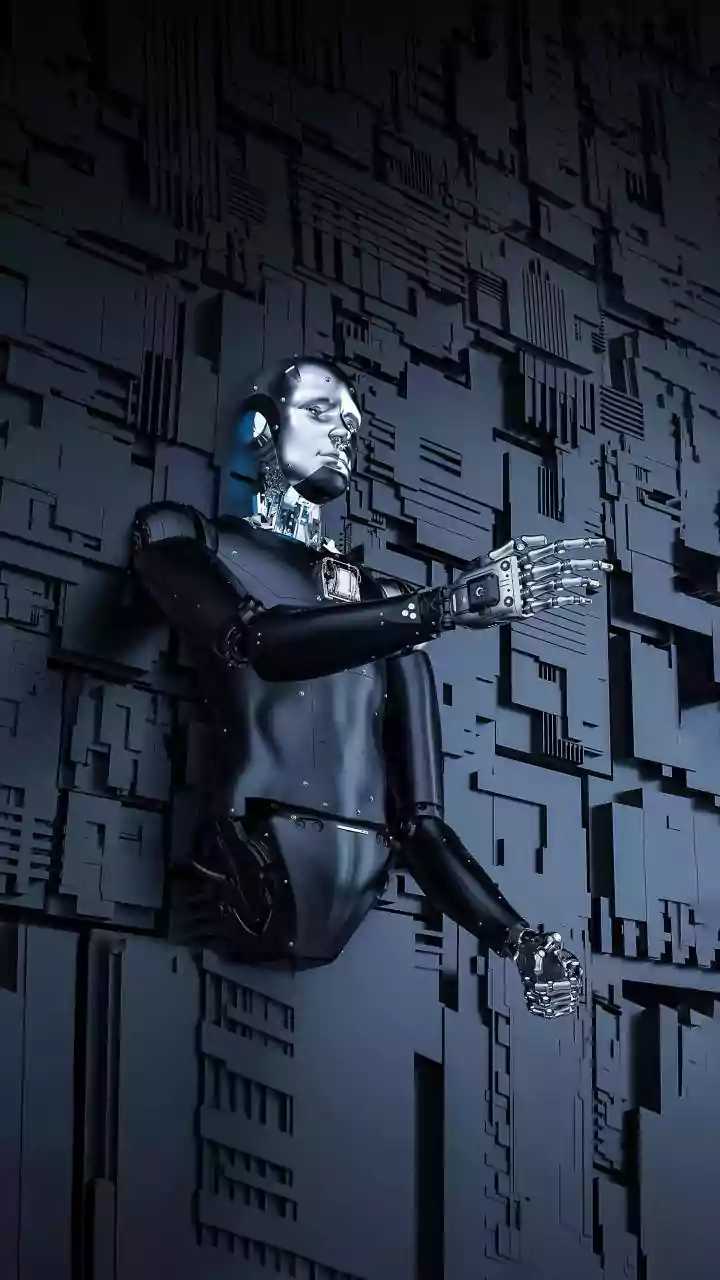
The second part of Musk's vision involves humanoid robots, like Tesla's Optimus, which he predicts will become widespread. He has stated that in the future, there could be more robots than people, ushering in an "age of abundance" where machines handle most of the labor. In such a world, the primary role for humans becomes that of a director. To "convey your wishes to the robot," you need to be able to formulate a request clearly. Musk connects this to the idea of prompt engineering, where the quality of an AI's output depends on the quality of the human input. A broad education, he posits, is the best preparation for becoming an effective prompter and director of these future robotic systems, ensuring they are applied toward goals that are beneficial for humanity.
From Theory to the Real World
This advice runs counter to the long-held belief that deep specialization is the surest path to career success. However, the rise of AI is changing the value equation. While expertise in fields like engineering and medicine will remain crucial, the ability to integrate that knowledge with a wider understanding of human systems will be a key differentiator. For students and young professionals, this suggests a shift in focus. It means valuing humanities and social sciences as much as STEM fields. It encourages cultivating curiosity and a habit of reading and learning across diverse topics, a practice Musk himself is known for. The goal is to build a mental framework, or a "semantic tree" as he calls it, based on fundamental principles from many fields, allowing you to connect ideas in innovative ways.