

That satisfying snap, that shattering crunch—it’s the hallmark of a perfect Pakwan. This humble-looking flatbread is a masterclass in texture, proving that simple ingredients can create something extraordinary with just a little technique.
What Exactly Is Pakwan?
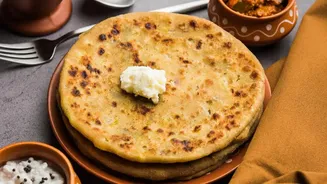
Pakwan is a crispy,
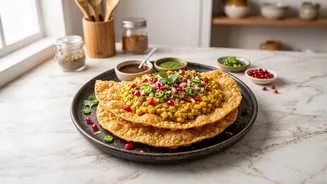
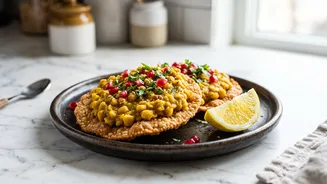
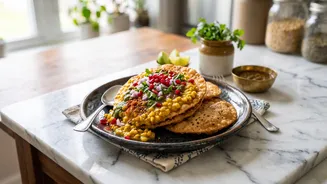
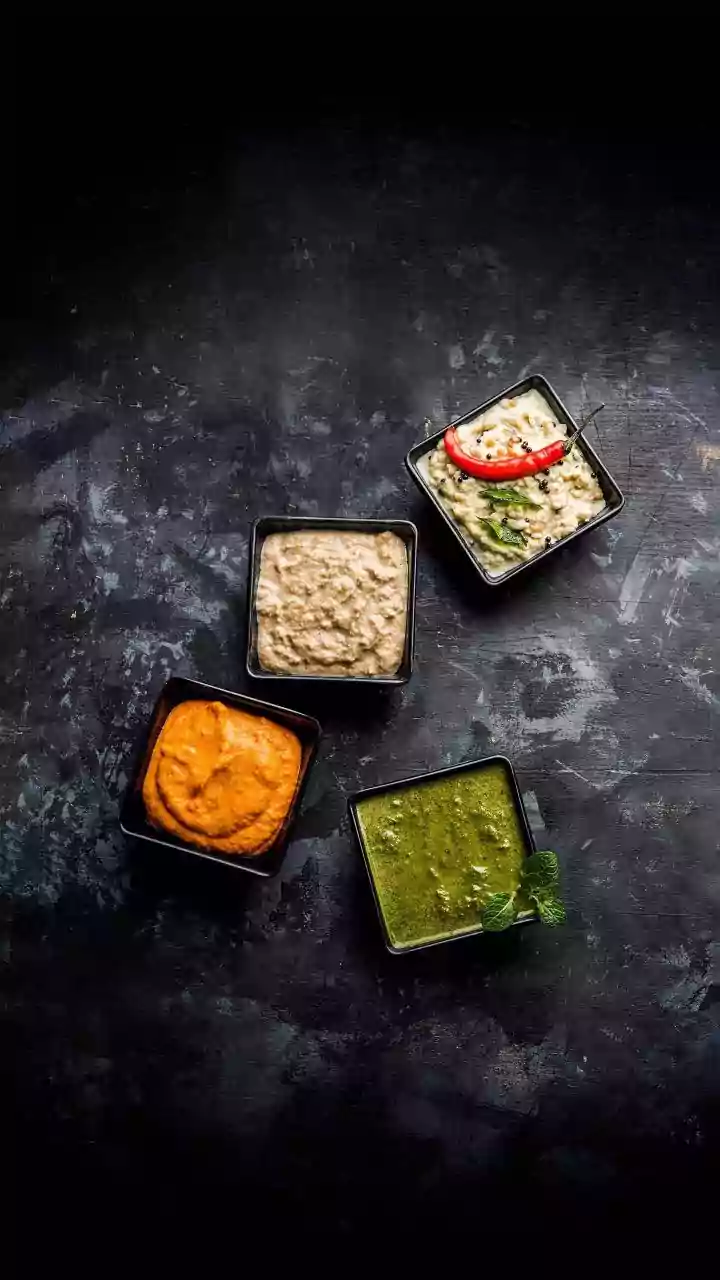
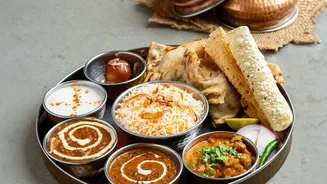
deep-fried, unleavened flatbread that holds a place of pride in Sindhi cuisine. Originating from the Sindh region, now in Pakistan, it is most famously served as part of a classic breakfast or brunch dish called Dal Pakwan. This beloved meal consists of the crunchy Pakwan served alongside a hearty, mildly spiced chana dal (split Bengal gram). The dish is a textural delight, pairing the brittle, cracker-like bread with soft, flavourful lentils. It is typically garnished with chopped onions, fresh coriander, and a duo of chutneys—a tangy tamarind one and a spicy green one—turning a simple meal into a full-sensory experience.
The Secret Is in the Dough
The journey to that signature crunch begins with the dough. It’s a simple mixture, usually of all-purpose flour (maida), though some recipes use whole wheat flour or a blend of both. What's crucial is the addition of flavourings like cumin seeds, carom seeds (ajwain), and sometimes crushed black pepper, which give the Pakwan its distinct, savoury aroma. A small amount of fat, like oil or ghee, is worked into the flour to create a crumbly texture, a technique known as 'moyen' that helps make the final product crisp. The dough is kneaded to be firm and smooth, similar to a pastry dough. But the real magic lies in rolling it out. To achieve maximum crispiness, the dough must be rolled into incredibly thin discs, ensuring it fries up light and brittle rather than soft and chewy like a poori.
Mastering the Art of the Fry
Once the dough is rolled thin, another critical step prevents it from turning into a fluffy puri: pricking. The entire surface of the disc is pricked with a fork or a knife. This allows steam to escape during frying, ensuring the Pakwan stays flat and cooks into a cracker-like crisp instead of puffing up. The frying itself is a delicate balance. The oil needs to be moderately hot—not scorching, not lukewarm. If the oil is too hot, the outside will brown too quickly, leaving the inside soft. If it's not hot enough, the Pakwan will absorb too much oil and become greasy. Each disc is carefully fried on a medium-low flame, pressed down gently to ensure even cooking, until it turns a perfect golden-brown and achieves that sought-after, shatteringly crisp texture.
More Than Just a Cracker
While a wellmade Pakwan is delicious on its own as a teatime snack, its true purpose is to serve as the perfect vehicle for dal. The combination is a cornerstone of Sindhi cuisine for a reason. The sturdiness of the Pakwan allows it to be used like a chip to scoop up the thick chana dal without becoming instantly soggy. There are two popular ways to enjoy it: either breaking off pieces of Pakwan and dipping them into a bowl of dal topped with chutneys and onions, or placing a whole Pakwan on a plate, covering it with dal and all the garnishes, and then breaking off pieces. Either way, every bite delivers a contrast of soft and crunchy, warm and fresh, spicy and tangy.
A Dish Steeped in Tradition
Dal Pakwan is more than just a meal; it's a piece of cultural history. Its origins speak to the resourcefulness of the Sindhi community, particularly after the partition of India in 1947 when many migrated and carried their culinary traditions with them. The durability of Pakwan, which can be stored in an airtight container for days, made it an ideal food for travelling traders in the arid Sindh region. Today, it remains a cherished dish for Sunday breakfasts, festivals like Diwali, and special family gatherings, a symbol of heritage and togetherness passed down through generations.