

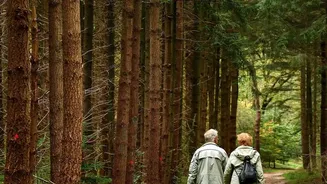


Why Your Brain Needs a Real Break
In our hyper-connected world, our brains are constantly engaged in what scientists call "directed attention." This is the intense focus required to answer emails, sit through video calls, and ignore the dozen distractions vying for your attention at any
given moment. But this mental resource is finite. When it gets depleted, we experience cognitive fatigue, which leads to irritability, brain fog, and a sharp drop in productivity. The solution is to give this part of our brain a rest. According to Attention Restoration Theory (ART), exposure to natural environments allows our directed attention to recover. Unlike urban or digital environments that demand our focus, nature engages us through "soft fascination"—the gentle, effortless attention captured by rustling leaves, a passing cloud, or the sound of birds. This process helps replenish our cognitive resources, making it easier to focus when we return to our tasks.
The Power of a Predictable Path
The headline's emphasis on a "safe and easy to repeat" route is crucial. The goal of a restorative break is to reduce mental load, not add to it. When your walking route is familiar, you eliminate decision fatigue. You don't have to think about where to turn or worry about your surroundings. This predictability allows your mind to truly wander and disengage. This is a core principle of habit formation. Routines become automatic because the brain creates mental shortcuts, which conserves cognitive energy. By walking the same simple loop every day—whether it's around your apartment building, through a small local park, or even just up and down your street—you create a powerful ritual. The consistent cue (e.g., finishing a big task) and routine (the walk itself) signal to your brain that it's time to switch off and recharge, making the break more effective over time.
What 'Nature' Means for At-Home Walks
You don't need access to a sprawling forest to reap the benefits. Research shows that even small "micro-doses" of nature can have a significant impact. Studies indicate that just a few minutes of exposure to natural elements can lower stress hormones like cortisol, reduce blood pressure, and improve mood. Your "at-home nature walk" can be surprisingly simple. It could be a walk to a specific tree on your block that you admire. It might be a few laps around a garden or a terrace with potted plants. Even looking up at the sky or noticing the breeze can provide the necessary natural stimuli to trigger a restorative effect. The key is to intentionally engage your senses with these non-digital elements. The goal is to trade screen glare for sunlight and notifications for the sounds of the outside world, creating a sensory shift that calms the nervous system.
How to Design Your Five-Minute Focus Reset
Creating your own nature walk ritual is straightforward. First, identify your route. It should be safe, easily accessible, and take no more than five to ten minutes to complete. The journey from your desk to a nearby patch of green and back is perfect. Second, make it a truly screen-free break. Leave your phone behind. The point is to disconnect from digital input and connect with your physical environment. This act alone helps quiet the part of your brain associated with stress and anxiety. Third, be consistent. Try to take your walk at a similar time each day or use it as a reward after completing a demanding task. This helps build the habit. Finally, walk at a comfortable pace. This isn't about strenuous exercise; it's about mental recovery. Let your mind wander and your senses take in the surroundings. Even this short period of moderate activity improves blood flow to the brain, enhancing focus and clarity upon your return.