






A Lake Born from Ambition
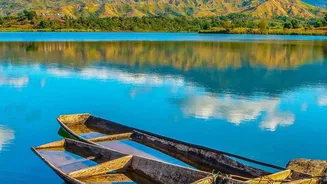
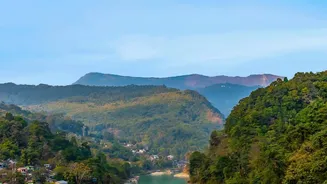
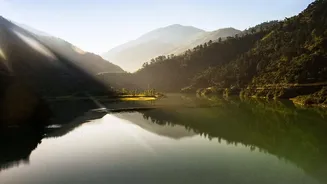
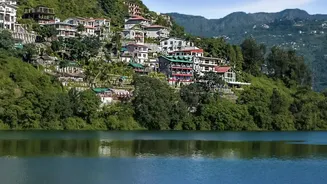
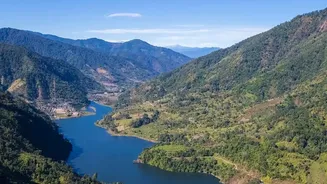
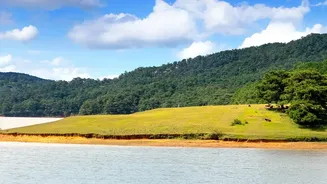
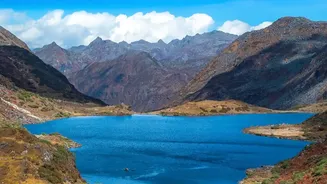
Umiam Lake is not a natural wonder, but an engineering one. Known locally as 'Bara Pani' or big water, it’s an artificial reservoir created in the early 1960s by damming the Umiam River. Its primary purpose was not tourism, but power. The Umiam Stage
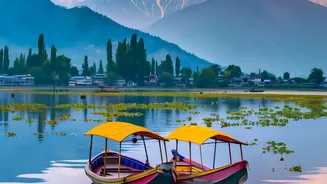
I powerhouse was the first major hydroelectric project in Northeast India, built to supply electricity to the region. This dam transformed the landscape, flooding valleys and displacing some villages, but it heralded a new era of development for Meghalaya and its neighbours. For decades, it has been the backbone of the state's power supply. This origin story is often lost on the thousands of tourists who now flock to its shores for boating, kayaking, and water cycling, seeing only a pristine natural paradise.
The Lifeline and the Sink
Beyond generating electricity, Umiam Lake serves multiple crucial functions. It provides water for downstream irrigation, supports local fisheries, and is a source of drinking water for parts of the region. However, its proximity to the rapidly growing city of Shillong has turned it into a sink for urban waste. The two rivers that flow from the city into the lake, the Wah Umkhrah and Wah Umshyrpi, have effectively become sewage drains. They carry untreated household waste, industrial effluents, and garbage directly into the reservoir. As a result, studies have confirmed that the lake's water is heavily polluted and unfit for domestic use without significant treatment.
The Slow Catastrophe of Silt
An even more insidious threat lurks beneath the surface: siltation. Environmental assessments estimate that a staggering 40,000 cubic metres of silt and topsoil flow into Umiam Lake every year. This sediment comes from a variety of sources, including deforestation in the catchment areas, unscientific mining practices, and upstream encroachment. This constant deposition of solid material is slowly but surely reducing the lake's storage capacity. This not only threatens the longevity of the dam and its ability to generate power but also alters the entire ecosystem. While the dam was originally projected to have a lifespan of around 200 years, experts now warn its functional life could be significantly shorter if the current rate of siltation continues unabated.
A Mirror for the Region's Challenges
The struggles of Umiam Lake are not unique; they reflect a broader set of challenges facing vital water bodies across Northeast India. From Manipur's Loktak Lake, which is threatened by pollution and climate change, to various rivers in Assam and Arunachal Pradesh facing risks from urbanisation and melting glaciers, the story is similar. These ecosystems are caught between the pressures of development, the demands of a growing population, and the urgent need for conservation. The traditional balance is tipping. In many areas, community management of resources is giving way to privatisation and large-scale projects that can have severe ecological consequences. Umiam's plight serves as a high-profile case study of this delicate and often fraught relationship between progress and preservation in one of India’s most ecologically sensitive regions.