







The Sweet Taste Without the Energy
The main appeal of non-nutritive sweeteners (NNS)—like aspartame, sucralose, and stevia—is simple: they offer the pleasurable taste of sweetness with few to no calories. For decades, they have been seen as a straightforward tool for weight management
and reducing sugar intake. The logic seems sound—satisfy a sweet tooth without the energy payload that comes from sugar. However, the human body has evolved over millennia to associate sweetness with an incoming source of energy. When that expectation is not met, it can set off a chain reaction of confusing signals that ripple through our system, from our brain to our gut.
Your Brain on 'Fake' Sugar
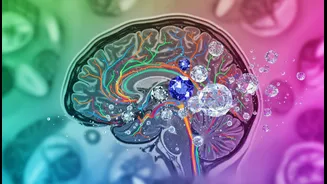
When you taste something sweet, your brain’s reward system gets ready, preparing for the calories it has been conditioned to expect. This system releases chemicals like dopamine, which makes you feel good. But when you consume a non-caloric sweetener, the sweet taste arrives without the corresponding energy. This creates a mismatch that can confuse the brain. Studies using brain imaging have shown that sweeteners like sucralose can activate the hypothalamus, a key region for regulating appetite, sometimes even more than real sugar does. This discrepancy between taste and nutritional value can weaken the brain's natural ability to gauge energy intake, potentially disrupting the delicate balance of hunger and fullness cues.
Altering Appetite and Cravings
One of the most significant behavioural changes linked to sweetener use is its effect on appetite. Instead of satisfying a sweet craving, some studies suggest sweeteners can actually increase it. Because the brain doesn't get the caloric reward it expects from the sweet taste, it may continue to send out hunger signals, driving you to seek more food. This phenomenon is compounded because artificial sweeteners are intensely sweet—often hundreds of times sweeter than table sugar. Regular consumption can desensitize your palate to sweetness. Over time, naturally sweet foods like fruits may seem less appealing, while cravings for intensely sweet, often processed, foods may grow stronger.
The Gut-Brain Connection
Emerging research highlights another crucial player: the gut microbiome. Once thought to be inert, we now know that sweeteners can alter the balance of bacteria in our digestive systems. These gut microbes communicate with the brain through what is known as the gut-brain axis. Changes in the microbiome have been linked to disruptions in mood, appetite regulation, and even how our bodies handle sugar. Some studies suggest that sweeteners can reduce beneficial bacteria, which may lead to issues like bloating and gas or even affect how the body manages blood sugar in the long run. This disruption in gut-brain communication can further muddle the body's hunger and satiety signals.
Impact on Mood and Focus
The effects are not just limited to hunger. The same brain chemicals that regulate appetite, such as dopamine and serotonin, also play a major role in mood and motivation. By disrupting these pathways, some research suggests a potential link between high consumption of certain artificial sweeteners, like aspartame, and changes in mood, including increased anxiety. While much of the human research is still evolving, some studies have hinted that sweeteners might interfere with focus and memory by creating stress or inflammation in the brain. It’s important to note that responses can be highly individual, but the evidence points towards a complex interaction that goes beyond simple taste.