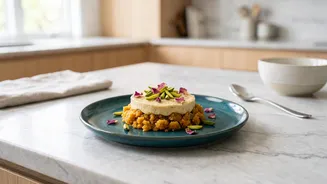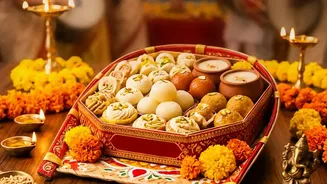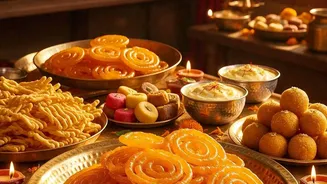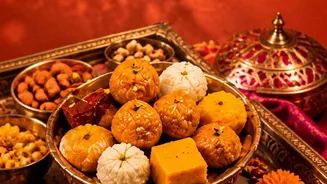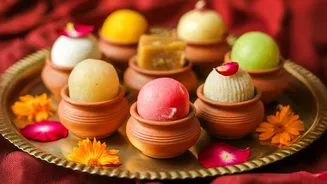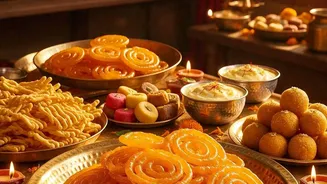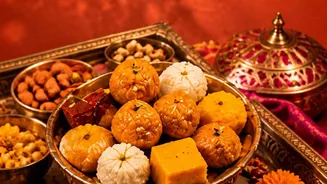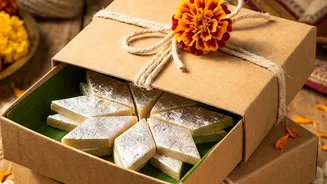


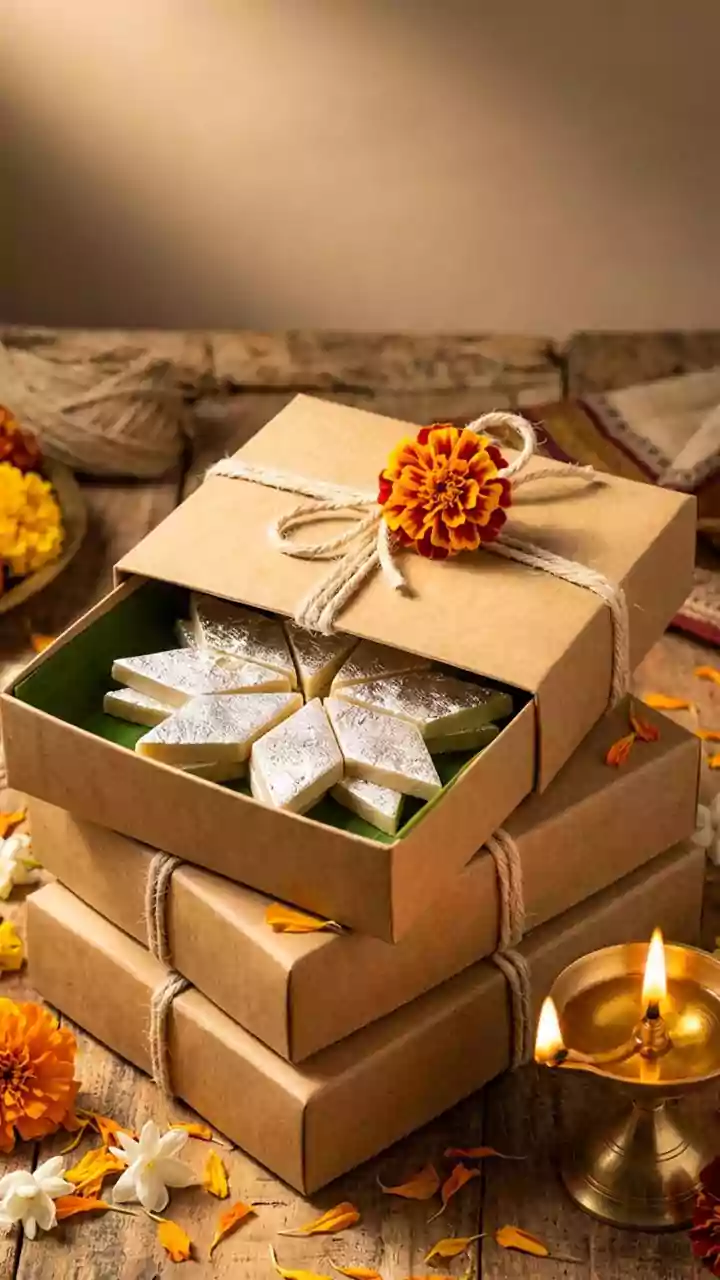
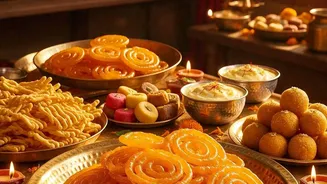
The festive lights may have dimmed, but the mountain of mithai in the fridge remains. While it’s tempting to get creative with these sweet leftovers, food safety must come first to ensure the festive joy continues without any unwanted after-effects.
The Golden Rules of Mithai Storage
How
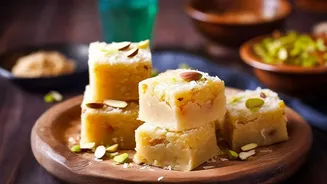
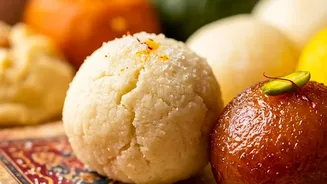
you store your sweets is the single most important factor in keeping them safe. The rules change based on the ingredients. Milk or khoya-based sweets like peda, kalakand, and barfi are highly perishable. They must be refrigerated in an airtight container and should ideally be consumed within two to four days. Leaving them at room temperature for more than a couple of hours creates a breeding ground for bacteria. Sweets made with ghee, nuts, and flour, such as kaju katli and besan ladoo, have a longer shelf life. These can be stored in an airtight container in a cool, dry place for about a week. For syrup-based sweets like gulab jamun, keep them submerged in their syrup in the fridge, where they can last for up to five days.
When in Doubt, Throw It Out
Before you even think about repurposing, give your mithai a thorough inspection. Your senses are your best guide to spotting spoilage. A sour, stale, or unusual smell is a major red flag, especially for milk-based sweets which tend to sour before they show visible mould. Look for any changes in texture; a slimy surface on a barfi or a ladoo that has become unnaturally hard is a sign it's past its prime. Visible mould—any green, grey, or black spots—means the entire batch should be discarded immediately, as the contamination can spread invisibly. For syrup sweets, if the syrup appears cloudy or has bubbles forming, it indicates fermentation and spoilage. Never taste a sweet to check if it's okay; if it looks or smells off, it's not worth the risk.
Safe & Simple: Mithai Milkshakes
One of the easiest and safest ways to use up leftover sweets is to blend them into a delicious milkshake. This works particularly well with barfis, pedas, or milk cake that might be starting to dry out but are still well within their safe consumption window. Simply crumble a few pieces of the mithai into a blender with a glass of milk and a pinch of cardamom. Since the sweets are already sugary, you likely won't need any extra sweetener. Blend until smooth and serve chilled. This no-cook method avoids the risks associated with reheating, where bacterial toxins can sometimes survive even if the bacteria themselves are killed.
Creative Crunch: Ladoo Crumble Topping
Crumbly sweets like motichoor or besan ladoos can be transformed into a fantastic textural topping for other desserts. This is another excellent no-cook or low_risk option. Just crush the ladoos by hand or with a fork and sprinkle them over a bowl of yoghurt, oatmeal, or a simple fruit salad to add a festive touch to your breakfast. You can also use this crumble as a layer in a parfait or as a garnish for kheer or rabri, adding flavour and crunch without complex preparations. This method allows you to use up smaller, odd amounts of sweets gradually and safely.
New Beginnings: Mithai_Stuffed Parathas
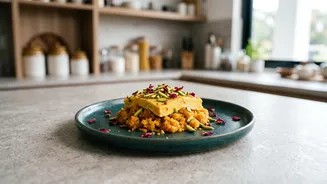
For a more adventurous but still safe creation, consider making a meetha paratha. This idea works best with drier sweets like besan ladoo or some types of barfi. Crush the mithai to create a filling, similar to how you would prepare a stuffing for any other paratha. Roll out your dough, place the sweet filling inside, seal it, and roll it out again carefully. Cook the paratha on a tawa with a bit of ghee until golden brown on both sides. The key is to ensure the paratha is cooked thoroughly. Serve it hot. This method is a delicious way to give a completely new life to sweets that are no longer exciting on their own.