






The Promise: A Convenient Health Hack
The appeal of protein coffee, or 'proffee', is easy to understand. It promises to combine two morning essentials—caffeine and protein—into a single, convenient beverage. Influencers and brands promote it as a simple way to boost your protein intake, support
muscle recovery after a workout, and increase feelings of fullness to aid in weight management. For those who are busy, dislike eating breakfast, or struggle to meet their daily protein goals, adding a scoop of protein powder to their morning coffee seems like an efficient solution. The marketing presents it as a smart upgrade, a way to make your daily coffee work harder for your health and fitness goals with minimal effort. It taps into our collective desire for life hacks that deliver maximum benefits with minimum fuss.
The Reality: Often a Dessert in Disguise
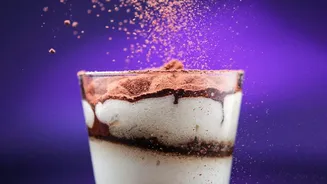
While the idea is sound, the execution often turns this supposed health drink into something closer to a liquid dessert. Many pre-made protein coffees and flavoured protein powders are loaded with added sugars, artificial sweeteners, and flavouring syrups. A single serving can easily pack more sugar and calories than a standard latte, sometimes rivaling a slice of cake or a chocolate bar. This transforms the drink from a simple nutritional boost into a high-calorie indulgence that can work against weight management goals. Nutrition experts caution that while adding protein to coffee isn't inherently bad, the final nutritional profile depends entirely on the ingredients used. A simple mix of black coffee and unsweetened protein powder is very different from a cafe-bought version blended with sugary syrups and topped with whipped cream.
Hype vs. Fact: Is It a Real Meal Replacement?
One of the biggest claims is that proffee can replace breakfast. While it's more substantial than black coffee, dietitians are clear that it is not a complete meal. A balanced breakfast provides a wide array of nutrients, including fibre, vitamins, minerals, and healthy fats, which are largely absent from a simple protein and coffee mixture. Relying on it as a meal replacement means missing out on the crucial benefits of whole foods. While it can help you feel full, beverages are generally less satisfying than solid food. Experts suggest it's better to have a high-protein breakfast, like eggs or Greek yogurt, and enjoy your coffee separately. Think of proffee as a supplement or a better choice than skipping breakfast entirely, but not as a long-term meal strategy.
What The Experts Say
The consensus among registered dietitians is one of cautious moderation. They acknowledge that protein coffee can be a practical tool for a small group of people, such as athletes who need a quick post-workout recovery drink or individuals who genuinely struggle to consume enough protein. However, most agree that the average person already gets sufficient protein from their diet and doesn't need to supplement it in their coffee. There are also potential downsides to consider, such as digestive discomfort, including bloating or an upset stomach, which can be caused by certain protein powders or the combination of caffeine and protein. The key takeaway from professionals is to prioritise protein from whole food sources first and to view proffee as an occasional treat rather than a daily necessity.
Making a Smarter Choice at Home
If you want to try protein coffee without the hidden sugars and calories, making it at home is your best bet. This gives you complete control over the ingredients. Start with a base of black coffee, either hot or iced. Then, choose your protein source wisely. An unflavoured or naturally sweetened protein powder (like whey, casein, or a plant-based option) is a good choice. For hot coffee, collagen peptides dissolve more easily and avoid the clumping that can happen with whey protein. You can also blend your iced coffee with a serving of plain Greek yogurt or a splash of ultra-filtered milk, which is higher in protein than regular milk. By crafting it yourself, you can ensure your proffee serves as a genuine supplement, not a sugar-laden dessert.