





The Fantasy-Self Pantry Problem
Many of us shop for the cook we wish we were. We buy saffron for the paella we'll host, a bag of spelt flour for the artisanal bread we'll bake, or a tin of anchovies for the complex sauce we saw a chef make online. This is the “fantasy-self pantry,”
stocked with ingredients for a life we imagine rather than the one we lead. Psychologically, this behavior is often an attempt to feel prepared and in control, a way of managing uncertainty by acquiring resources. The problem is that these items rarely get used. They gather dust, take up valuable space, and serve as quiet reminders of abandoned projects. Instead of inspiring creativity, they contribute to decision fatigue. Faced with too many choices, including many you don’t know how to use, it becomes easier to order takeout than to cook.
The Joy of a Functional Kitchen
Imagine a pantry where every single item has a purpose and is used regularly. Cooking is no longer a treasure hunt. Meal planning is a breeze because you know exactly what you have. Grocery shopping is faster and cheaper because you’re not buying duplicates of things hidden in the back. This is the reality of a balanced, functional pantry. A minimalist or intentionally stocked kitchen reduces stress and makes the entire process of preparing food more enjoyable. Studies have shown that a tidy kitchen environment can even lead to healthier eating habits. It’s not about restriction; it’s about liberation. By curating your pantry to reflect your actual cooking habits, you create a system that supports you instead of overwhelming you.
Your Three-Step Pantry Reset
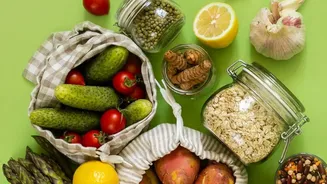
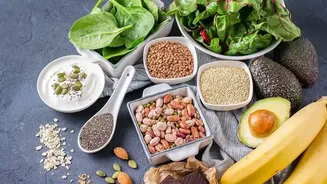
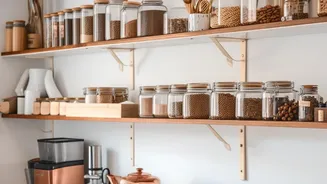
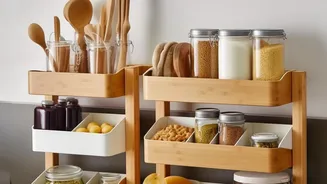
The first step is a ruthless but necessary declutter. Empty your pantry completely and check the expiration date on everything. Be honest: if an ingredient has been sitting there for over a year, you’re unlikely to ever use it. Donate unopened, unexpired items that you know are part of your "fantasy self" cooking. Next, identify your true pantry staples. These are the 15-20 core ingredients that form the backbone of your weekly meals—things like olive oil, onions, garlic, canned tomatoes, pasta, rice, beans, and your go-to spices. These are the items you should always have on hand. Finally, rebuild your pantry around these staples. Organize them in a way that makes sense for you, with the most-used items at eye level. Using clear containers for dry goods helps you see inventory at a glance and prevents overbuying.
Maintaining Your New System
An organized pantry isn’t a one-time project; it’s a habit. The most effective strategy is the "First In, First Out" (FIFO) method, used in professional kitchens. When you buy new groceries, move the older items to the front of the shelf and place the new ones behind them. This ensures that food is used before it expires, drastically reducing waste. Another helpful tip is to create a “use first” bin. This is a designated spot for items that are nearing their expiration date or half-used packages that need to be finished. When you're looking for a snack or planning a meal, you check that bin first. This small habit can save a significant amount of money over time, considering that wasted food costs families hundreds, if not thousands, of dollars each year.