





A Summer Capital Carved in the Hills
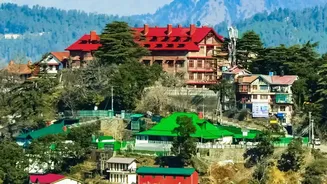
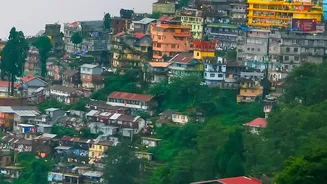
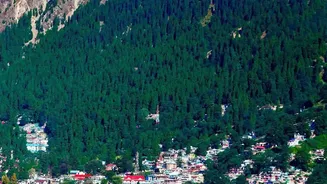
Before it became a beloved holiday spot for all, Nainital was a British discovery, founded in the 1840s as a cool escape from the scorching plains. It soon blossomed into the summer capital of the United Provinces, and with this status came a wave of colonial
construction. Grand residences, European-style schools, and stately administrative buildings were erected, creating a distinct architectural character that still defines the town today. Many of these structures were built not just for function but for grandeur, reflecting the prestige of the British Raj. This legacy offers a different kind of tourism—one of quiet exploration and historical discovery, often just a short walk from the well-trodden paths of Mallital and Tallital.
St. John in the Wilderness Church
A prime example of this hidden history is the St. John in the Wilderness Church, located in Mallital, just a brief walk from the northern end of Naini Lake. Established in 1844, it is one of the earliest buildings in Nainital. The church gets its evocative name from a Bishop of Calcutta who, after falling ill while visiting to lay the foundation stone, had to camp in an unfinished house on the edge of the forest. Built in a serene neo-Gothic style, the church is surrounded by a dense deodar forest, creating a tranquil atmosphere that feels worlds away from the nearby bustle. Inside, beautiful Belgian stained-glass windows filter the light, and a brass plaque solemnly lists the names of victims from the devastating 1880 landslide that reshaped the town.
Raj Bhawan: A Slice of Buckingham Palace
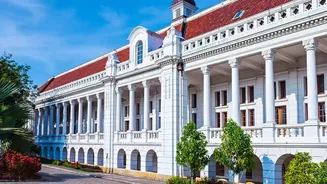
Modelled on Buckingham Palace, the Raj Bhawan (Governor's House) is a magnificent Victorian Gothic structure that once served as the summer residence of British governors. Completed in 1900, this two-storeyed building with 113 rooms is set across a sprawling 220-acre estate, complete with a vintage golf course. While it currently serves as the official residence for the Governor of Uttarakhand, parts of this grand estate are open to visitors for a fee. A tour offers a glimpse into its opulent past, with its grand wooden staircases, lofty rooms, and period furniture largely intact. Located about 3 km from the main bus stand, it stands as a testament to the administrative importance Nainital once held.
Gurney House: In the Footsteps of Jim Corbett
For literature and wildlife enthusiasts, Gurney House offers a more intimate connection to the past. This was the residence of the legendary hunter-conservationist and author, Jim Corbett. Situated on the Ayarpatta slopes, this charming cottage is a short walk from Mall Road yet feels entirely secluded. The house was built in 1881 and retains much of its old-world charm, with many of Corbett's furniture and possessions still preserved inside. After Corbett and his sister left for Kenya in 1947, they sold the house. Today, it remains a private residence, but the owners often welcome visitors by appointment for a complimentary tour, offering a journey back to the time when Corbett roamed these very hills.
The Living Heritage of Old Hotels
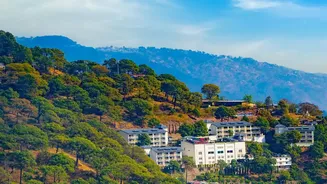
The colonial legacy of Nainital is not confined to museums or official buildings; it lives on in its heritage hotels. Establishments like the Balrampur House and Chevron Fairhavens are not merely places to stay but are destinations in themselves. These buildings, once the homes of British officers or Indian royalty, have preserved their historic architecture and atmosphere. Staying in one offers a unique opportunity to experience the elegance of a bygone era, with vintage furniture, sprawling gardens, and a sense of timelessness. They stand as quiet witnesses to Nainital's evolution, offering a luxurious history lesson alongside modern comforts, often situated conveniently close to the main attractions of the town.