



Witness the Palki Sahib Ceremony
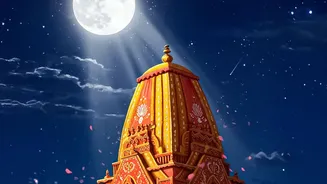
Twice a day at the Golden Temple, a deeply moving ritual unfolds. The Palki Sahib, or night ceremony, sees the Guru Granth Sahib (the holy scripture) carried on a gilded palanquin from the main sanctum to its resting place at the Akal Takht. Amidst hypnotic
chanting and the devotion of thousands, you are not just a spectator but a participant in a centuries-old tradition that treats the holy book as a living Guru. The atmosphere is electric, making the spiritual heart of Sikhism beat right before your eyes.
Feel the Silence at Jallianwala Bagh
Steps from the Golden Temple lies a garden that holds a profound silence. This is the site of the 1919 massacre, a turning point in India's freedom struggle. To make history feel immediate, walk through the same narrow passage the troops used to block any escape. Stand before the bullet-riddled walls and look down into the Martyrs' Well, where many jumped to escape the gunfire. The air is heavy with memory, and the preserved site is a somber, tangible connection to one of the most tragic days in Indian history.
Listen to Survivor Stories at the Partition Museum
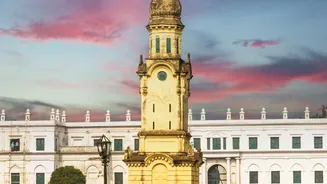
History becomes deeply personal at the Partition Museum, the world's first institution dedicated to the 1947 Partition. Housed in the historic Town Hall, the museum moves beyond dates and politics to focus on the human cost. Through oral histories playing from old-school telephones, personal artifacts like worn-out trunks, and heart-wrenching letters, you'll hear directly from the generation that lived through the largest mass migration in history. It’s an emotional experience that connects you to the resilience of those who rebuilt their lives from scratch.
Experience the Energy of the Wagah-Attari Border
Each evening, the border between India and Pakistan transforms into a stadium of patriotic fervour. The Beating Retreat ceremony is a highly choreographed and theatrical display of national pride. Soldiers from both nations engage in a performance of high kicks, synchronized marches, and intimidating stomps before the flags are lowered for the night. The roaring crowds, the blaring music, and the sheer energy make the complex history of the two nations feel incredibly present and palpable. It is a spectacle of rivalry and showmanship you won't forget.
Explore the Mighty Gobindgarh Fort
Once a bastion of Maharaja Ranjit Singh's power, Gobindgarh Fort is now a living museum that brings Punjab's history to life. The 18th-century fort was once the repository of the famed Koh-i-Noor diamond. Today, you can explore museums dedicated to warfare and coins, but the real magic is in the live shows. A 7D show depicts the life of the Maharaja, while the 'Whispering Walls' light and sound show uses projection mapping to narrate the fort’s storied past, from the Bhangi Misl era to the British Raj.
Walk Through the Old City's Katras
To truly feel the city's 400-year-old pulse, take a guided heritage walk through the narrow lanes (katras) of the old city. Starting from the British-era Town Hall, this journey takes you past historic havelis with intricately carved facades, community wrestling grounds (akharas), and traditional markets that have operated for centuries. It's an opportunity to witness how traditional town planning and crafts are still practiced today, offering a seamless link between the past and the bustling present.
Taste History at a Legendary Dhaba
Amritsar's culinary scene is deeply tied to its history, especially the Partition, which brought many food traditions to the city. Visit Kesar Da Dhaba, a vegetarian eatery established in 1916 that moved from Pakistan to Amritsar in 1947. Tasting its signature Dal Makhani, slow-cooked for hours, is like tasting a recipe that has enchanted diners for over a century, including figures like Jawaharlal Nehru and Indira Gandhi. These dhabas are not just restaurants; they are culinary time capsules.
Participate in Seva at the Golden Temple's Langar
The Golden Temple's Langar, or community kitchen, is a profound expression of equality and service (seva). It serves free meals to tens of thousands of people daily, regardless of their faith or background. To connect with this history, volunteer for an hour. You can help chop vegetables, wash dishes, or serve food. In doing so, you become part of a tradition started by the first Sikh Guru to eliminate discrimination. It’s a humbling, hands-on experience that embodies the city’s compassionate spirit.
Step into a Living Punjabi Village at Sadda Pind
For a joyful immersion into old-world Punjab, visit Sadda Pind. This living museum recreates a traditional Punjabi village with mud houses, artisans at work, and vibrant cultural performances. You can watch folk dances like Bhangra and Giddha, see artisans create Phulkari embroidery, and taste authentic food like Makki di Roti and Sarson da Saag. It's a celebratory, interactive way to experience the region's rich heritage away from the solemnity of historical monuments.
Visit the Maharaja Ranjit Singh Museum
Housed in one of his former summer palaces, the Maharaja Ranjit Singh Museum offers a direct look into the life of the 'Lion of Punjab'. The museum showcases artifacts from his reign, including weapons, paintings, and personal belongings. It provides context for the powerful Sikh Empire that once ruled the region and whose influence is still visible across the city. Visiting the museum helps you understand the man who fortified Gobindgarh and gave the Golden Temple its famous marble and gold façade.