



The New Age of River Tourism
The launch of vessels like the MV Ganga Vilas, touted as the world's longest river cruise, marks a significant moment for Indian tourism. Hailed by the government as the dawn of a new era, these floating hotels promise to unlock the economic potential
of India's vast river systems, connecting heritage sites, national parks, and remote communities. The vision is clear: to create a vibrant tourism artery that showcases the country's cultural and natural wealth to the world. Proponents point to job creation, infrastructure development, and a renewed focus on the riverfront. This model of high-end tourism is presented as a clean, modern way to experience the heart of India, with cruises selling out years in advance, signalling strong market demand.
A Blind Dolphin's Fragile World
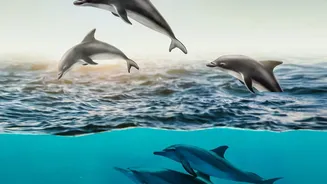
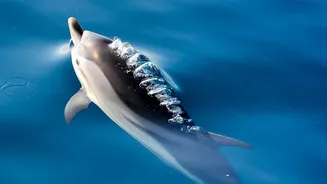
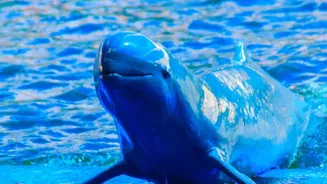
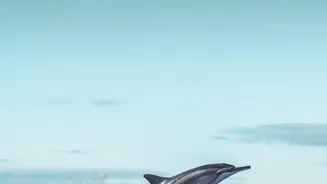
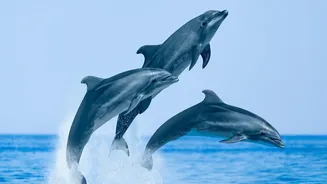
Beneath the surface, however, lives a creature whose world could be shattered by this new wave of activity. The Gangetic river dolphin, India's National Aquatic Animal, is an endangered species with a population estimated at just a few thousand individuals. Functionally blind, these remarkable mammals navigate the murky waters and hunt for fish using a sophisticated form of echolocation, emitting clicks and listening for the echoes. They are highly sensitive to noise. Their existence is already precarious, threatened by pollution, poaching, and the construction of dams and barrages that fragment their habitat. Conservation efforts have led to a fragile recovery in some areas, but experts warn these gains could be easily undone.
The 'Theme Park' Danger
The fear is not about tourism itself, but a specific, damaging kind of it. Turning the Ganga into a 'theme-park ride' means prioritising the spectacle over the ecosystem. It means large, noisy vessels churning through sensitive habitats. It involves dredging channels to accommodate deep-hulled ships, disrupting the riverbed and fish populations. It risks creating a scenario where boats chase dolphins for photo opportunities, causing immense stress and forcing them to expend precious energy avoiding traffic instead of feeding or breeding. The concern, voiced by conservationists, is that without strict regulation, the river will become a crowded highway where the dolphins are treated as a guaranteed attraction rather than a protected species, potentially leading to the same fate as the functionally extinct Baiji dolphin of the Yangtze River.
A Blueprint for Responsible Cruising
There is a better way. A sustainable model for river tourism is not only possible but imperative. This involves a fundamental shift in priorities, putting ecology first. Regulations should mandate smaller, quieter, and more efficient vessels, perhaps using hybrid-electric propulsion to minimise underwater noise. Strict codes of conduct for wildlife sightings must be enforced: maintaining significant distances, cutting engines, and never pursuing the animals. Each cruise should have trained naturalists on board to educate tourists about the dolphin's behaviour and the delicate balance of the river's ecosystem. Crucially, authorities must establish and enforce carrying capacities, limiting the number and frequency of vessels in sensitive areas like the Vikramshila Gangetic Dolphin Sanctuary.
Embracing the 'Arth Ganga' Model
This responsible approach aligns perfectly with the government's own 'Arth Ganga' concept, which envisions a sustainable economic model for the river basin. True 'Arth Ganga' is not just about big-ticket tourism; it's about generating livelihoods for local communities. This can be achieved by integrating cruises with community-led initiatives like homestays, promoting local handicrafts, and training local youth as guides for smaller, non-intrusive dolphin-watching safaris. When local communities have a direct economic stake in the health of the river and its dolphins, they become the most powerful stewards of the ecosystem. The goal should be to create a form of tourism where the revenue generated directly funds conservation and empowers the people living along the riverbanks.