


A Deficit of historic Proportions
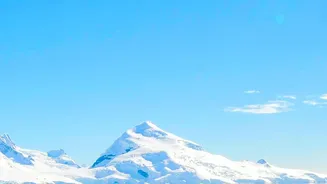
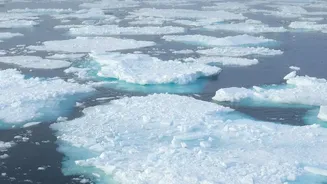
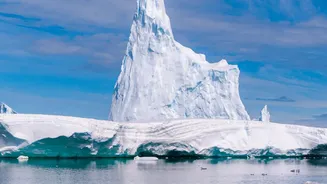
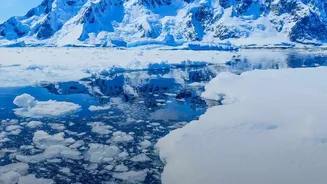
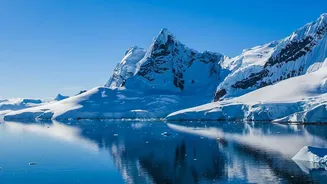
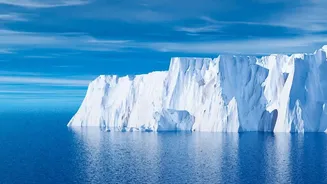
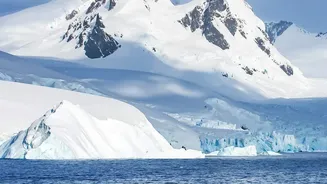
Each September, as winter reaches its climax in the Southern Hemisphere, the sea ice floating on the ocean around Antarctica hits its maximum extent. This year, scientists at the National Snow and Ice Data Center (NSIDC) confirmed that the ice peaked
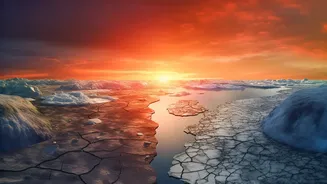
on September 14 at 17.59 million square kilometres. While this number sounds vast, it is approximately one million square kilometres below the long-term average. To put that into perspective, the missing ice covers an area roughly equivalent to two Spains. This marks the third-lowest winter maximum since satellite records began in 1979, with the four lowest years all occurring in the last four years, indicating a significant and worrying trend.
Why Is the Ice Disappearing?
Unlike the Arctic, where sea ice has been in a clear, steady decline for decades, Antarctica's sea ice has been more variable, even showing periods of slight growth. This has made the recent, sharp downturn particularly alarming for scientists. Researchers believe a combination of factors is at play. Warmer ocean water, potentially driven from other parts of the globe, may be mixing with the cold surface layer, making it harder for ice to form. Another theory points to changes in wind patterns. For years, strengthening winds may have pushed ice away from the continent, allowing more ice to form near the coast. Now, those same powerful winds might be driving a process called upwelling, which brings warmer, deeper water to the surface, melting the ice from below.
More Than Just Frozen Water
Antarctic sea ice is a critical component of the global climate system. Its vast white surface acts like a giant mirror, reflecting the sun's energy back into space—a phenomenon known as the albedo effect. Less ice means more dark ocean water is exposed, which absorbs sunlight and heat, creating a feedback loop that accelerates warming. This floating ice also serves as a protective barrier for the continent's massive land-based ice shelves. Without it, these shelves are exposed to destructive ocean waves, which can cause them to fracture and break apart. While melting sea ice doesn't directly raise sea levels because it's already floating, the destabilisation of the land-based ice shelves it protects absolutely does, as they hold back glaciers that contain enough water to raise global sea levels by many metres.
A Food Web on the Brink
The consequences of this ice loss extend deep into the ocean's food web. Sea ice is a crucial habitat for algae, which grows on its underside. This algae is a primary food source for Antarctic krill, tiny crustaceans that form the foundation of the entire Southern Ocean ecosystem. Less ice means less algae and, therefore, less krill. This has a direct knock-on effect for the penguins, seals, and whales that depend on krill for survival. Emperor penguins, for example, use the stable sea ice as a platform to breed and raise their chicks; when that platform melts too early or fails to form, entire colonies can face catastrophic breeding failure.
A Tipping Point for the Planet?
The sudden and dramatic drop in Antarctic sea ice since 2016 has led scientists to question whether the region is undergoing a 'regime shift'—a rapid transition to a new, less stable state. For decades, Antarctica seemed somewhat insulated from the more direct impacts of global warming seen in the Arctic. That appears to be changing. The persistent low-ice conditions could have far-reaching global consequences, potentially altering ocean currents like the Antarctic Circumpolar Current, which influences weather patterns worldwide. Scientists are working urgently to understand if this is a temporary blip or the new, worrying normal for a continent that plays an outsized role in regulating the planet's climate.