




The Festival Dates and Timings
Mark your calendars for one of India's most cherished festivals. In 2026, Ganesh Chaturthi begins on Monday, September 14. The 10-day celebration, known as Ganeshotsav, will conclude on Friday, September 25, which is Anant Chaturdashi, the final day for the immersion
of idols. The most auspicious time to install the Ganpati idol (Sthapana) on September 14 is during the Madhyahna Muhurat, which is from 11:02 AM to 1:31 PM.
The Story of Ganesha's Birth
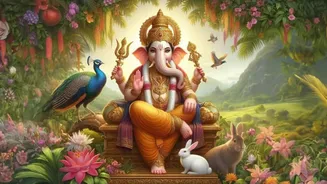
Ganesh Chaturthi celebrates the birth of Lord Ganesha. According to one of the most popular legends, Goddess Parvati created a boy from turmeric paste to guard her door while she bathed. When Lord Shiva returned, the boy, unaware of his identity, blocked his path. In the ensuing conflict, Shiva severed the boy's head. A grief-stricken Parvati demanded her son be brought back to life. Shiva then instructed his attendants to bring the head of the first living creature they found, which was an elephant. He attached the elephant's head to the boy's body, reviving him and naming him Ganesha, the lord of all beings and the remover of obstacles (Vighnaharta).
Bringing Bappa Home
The festival begins with the installation of a Ganesha idol, an act known as Ganpati Sthapana. Families bring idols home for a period of 1.5, 3, 5, 7, or 10 days, depending on their tradition. This ritual symbolizes welcoming the divine presence of Ganesha into the home, which is believed to fill the space with positive energy and abundance. The installation is performed with a special ceremony called Pranapratishtha, where mantras are chanted to invoke life into the clay idol, transforming it into a revered deity for the festival's duration.
The Sweetest Offering: Modak
No Ganesh Chaturthi celebration is complete without Modak, a sweet dumpling considered to be Lord Ganesha's favorite food. Traditionally, these are steamed rice-flour dumplings filled with a sweet mixture of fresh coconut and jaggery. Offering 21 Modaks is considered especially auspicious. Legend says Ganesha's love for the sweet earned him the name 'Modakpriya'. The sweet symbolizes the reward of wisdom and the inner bliss that comes from a life of devotion.
The Significance of Daily Rituals
During the festival, daily rituals include morning and evening prayers (aarti), chanting of hymns, and offering flowers, especially red hibiscus, and Durva grass to the idol. These acts of worship are central to the festival, allowing devotees to connect with the deity. The main puja, Shodashopachara, involves 16 steps of paying tribute to Lord Ganesha, expressing reverence and gratitude.
Public Celebrations and Grand Pandals
While many celebrate at home, Ganesh Chaturthi is also a grand public spectacle, especially in Maharashtra. Huge, temporary stages called pandals are erected, featuring massive and artistically crafted Ganesha idols. Some of the most famous pandals in Mumbai include Lalbaugcha Raja, known for fulfilling wishes, and Khetwadi Ganraj, famous for its towering idols. Visiting these pandals to seek blessings is a key part of the experience for millions of devotees.
Embracing Eco-Friendly Practices
In recent years, there has been a significant and necessary shift towards eco-friendly celebrations. Traditional idols made from Plaster of Paris (PoP) contain harmful chemicals that pollute water bodies. Devotees are now encouraged to choose idols made from natural clay (Shadu Mati) or other biodegradable materials. Using natural decorations like flowers and leaves instead of plastic, and opting for home immersion are other ways to celebrate responsibly and protect the environment.
The Ritual of Visarjan (Immersion)
The festival concludes with Ganesh Visarjan, the immersion of the idol in a body of water like a river or the sea. This ritual is performed on Anant Chaturdashi, the final day of the festival, which falls on September 25, 2026. The immersion is accompanied by large, vibrant processions with music and chanting, most famously "Ganpati Bappa Morya, Pudhchya Varshi Lavkar Ya" (Oh Lord Ganpati, come back again early next year).
The Deeper Meaning of Immersion
Ganpati Visarjan is deeply symbolic. It represents the cycle of birth, life, and dissolution—that all things in nature are temporary. The dissolving clay idol signifies that the physical form is transient, while the spirit is eternal. Devotees believe that as the idol immerses, Lord Ganesha takes away their obstacles and blesses them with peace, preparing to return the following year. It is a poignant reminder of detachment and the cyclical nature of existence.
A Festival of Community and Unity
Beyond the rituals, Ganesh Chaturthi is a time for family, friends, and community. It was popularised as a public festival by freedom fighter Bal Gangadhar Tilak to bridge social divides and foster a sense of unity. Today, it continues to bring people together. Families visit each other's homes to see their Ganesha decorations, share festive foods, and participate in public celebrations, strengthening social bonds and creating a collective spirit of joy and devotion.