



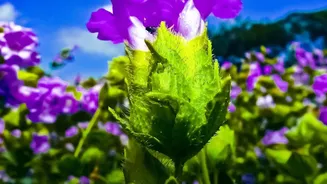
The Blue Mountain's Ephemeral Treasure
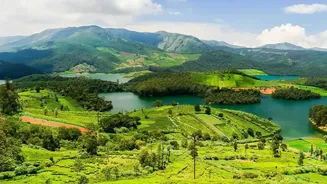
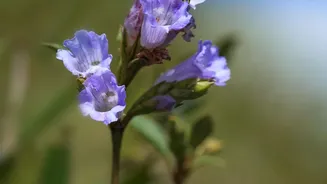
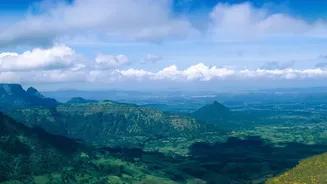
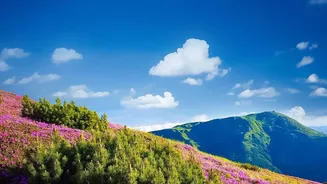
The Nilgiris, or 'Blue Mountains', likely earned their name from the mass flowering of the Neelakurinji (Strobilanthes kunthiana), a shrub that carpets entire hillsides in a purplish-blue bloom just once every 12 years. This rare event transforms the landscape
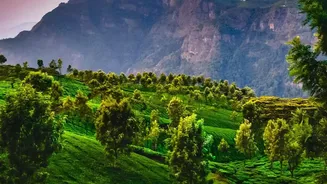
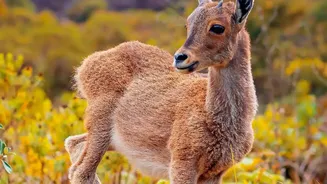
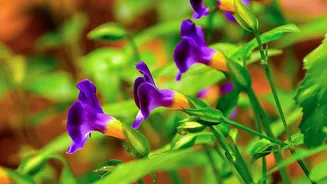
into an almost surreal vista, drawing nature lovers from across the globe. But the Neelakurinji is not alone. The region is a biodiversity hotspot and home to numerous other endemic species, including various wild balsams (Impatiens) and the elegant Nilgiri lily. These plants are not just beautiful; they are indicator species for the health of the Western Ghats' shola-grassland ecosystem, a UNESCO World Heritage Site. Their survival is intrinsically linked to the well-being of countless other plants and animals, including the endangered Nilgiri Tahr.
The Perils of Popularity
The stunning beauty of the flower blooms has become a double-edged sword. With every flowering season, particularly that of the Neelakurinji, hundreds of thousands of tourists flock to the region. While this provides a welcome boost to the local economy, the environmental cost has become increasingly stark. Unregulated visitor numbers lead to the trampling of fragile grasslands, which damages the flowers and prevents regeneration. Reports from recent blooms describe visitors plucking flowers for selfies, creating social media reels, and even attempting to uproot whole plants, unaware that these species cannot survive outside their specific high-altitude habitat. This damage is compounded by increased waste accumulation and the general disturbance to wildlife. Social media influencers have also played a role, with viral videos leading to sudden surges in visitors to ecologically sensitive areas.
A Fresh Push for Protection
Recognising the growing threat, authorities have recently implemented stricter measures. Following a recent bloom in the Gudalur forest division, officials restricted public access to the flowering sites altogether. This decision was driven not only by the need to protect the plants but also by the presence of wild elephants, whose corridors often overlap with the blooming areas, creating a risk of human-animal conflict. The Ministry of Environment, Forest and Climate Change has now listed the Neelakurinji under Schedule III of the Wildlife (Protection) Act. This gives it protected status, and anyone found plucking or damaging the plants can face a hefty fine of up to ₹25,000 and imprisonment for up to three years.
Guarding the Grasslands, Guiding the Guests
The new focus is on managing tourism, not just banning it. In some areas, the forest department has deployed additional personnel to guide visitors and ensure compliance with the rules. Using megaphones, guards instruct tourists to stay on designated paths and enjoy the spectacle without causing harm. Announcements are being made in multiple languages to educate visitors on the ecological significance of the flowers and the legal consequences of damaging them. These efforts represent a critical shift from reactive closures to proactive management, aiming to find a sustainable balance. The goal is to allow people to witness the natural wonder while ensuring that the grasslands and their floral treasures can recover and continue their unique life cycles for generations to come.