





Leak or Condensation? How to Tell
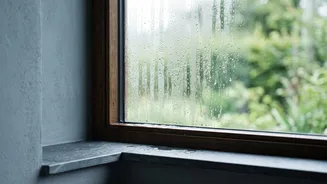
Before you can fix the problem, you must identify its source. Is the moisture a leak from outside, or is it condensation from inside? Condensation forms when warm, humid indoor air hits the cold surface of the window glass, especially in winter. It typically
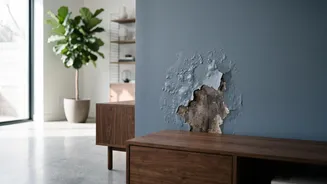
covers the entire pane or gathers at the bottom. A leak, however, is water entering from outside due to rain or melting snow. Telltale signs of a leak include water stains on the wall or windowsill, dampness that only appears after it rains, and peeling paint or soft spots around the frame. If the moisture is between the panes of a double-glazed window, that indicates a failed seal, which compromises the window's insulating properties and usually requires professional replacement.
Finding Gaps and Failed Seals
One of the most common culprits for window leaks is a breakdown in the exterior sealing. Over time, the caulking that seals the window frame to your home's exterior can shrink, crack, and pull away, creating pathways for water to get in. Perform a visual inspection from the outside. Look for any visible cracks or gaps in the sealant around the entire perimeter of the window. Pay close attention to corners and the joints where different materials meet. On the inside, look for peeling paint or discolouration on the wall surrounding the window, which can signal that water is getting into the wall assembly.
The Importance of Window Drainage
Many modern sliding and double-hung windows are designed with a “contain and drain” system. This includes small, rectangular openings on the exterior bottom of the window frame called weep holes. Their job is to allow any rainwater that collects in the window track to drain safely outside. However, these tiny holes can easily become clogged with dirt, insects, and debris. When blocked, water that should be draining out can back up and spill over into your home, causing dampness on the sill and surrounding wall. Regularly inspecting and cleaning your weep holes is a crucial maintenance step to prevent water damage.
Simple DIY Fixes You Can Try
For minor issues, a little DIY can go a long way. If you find clogged weep holes, you can often clear them with a can of compressed air, a pipe cleaner, or a small brush. First, locate the holes on the outside bottom of the frame. Gently use your tool to clear out any blockages. You can test your work by pouring a small amount of water into the window track and watching to see if it drains out freely through the weep hole. For small gaps in the exterior caulking, you can remove the old, cracked sealant with a utility knife and apply a fresh bead of high-quality exterior-grade caulk. Ensure the surface is clean and dry before you begin for the best adhesion.
When the Problem Is Deeper in the Wall
Sometimes, the dampness you see around a window isn't caused by the window itself, but by a failure in the home's water-resistive barrier or flashing. Flashing is a thin material installed around the window opening, behind the siding, to direct water away from the wall cavity. If the flashing was installed incorrectly or has degraded over time, water can get into the wall and travel down, emerging at the top or sides of your window. Signs of a flashing failure include persistent dampness even after resealing the window, soft spots on the drywall, or a musty smell. This is a serious issue that often requires removing siding to fix.
Knowing When to Call a Professional
While cleaning weep holes and re-caulking are manageable DIY tasks, some problems demand expert help. If you suspect a flashing failure, see signs of wood rot (soft, spongy wood), or if the dampness persists after your DIY attempts, it's time to call a professional. A window specialist or a general contractor can use tools like moisture meters to pinpoint the source of a hidden leak. They can properly assess whether the issue is with the window, the installation, or the surrounding wall structure. Ignoring persistent leaks can lead to mould growth, which poses health risks, and significant structural damage that is far more costly to repair.