






A New Star in India's Sky
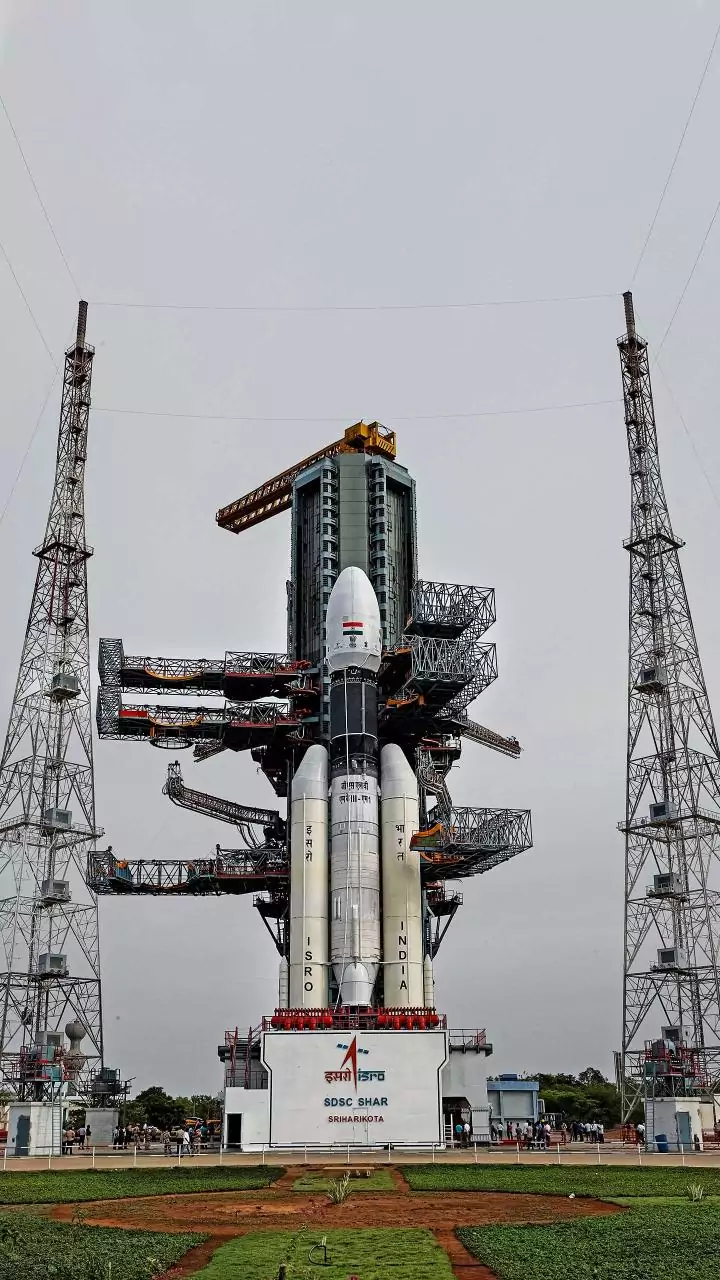
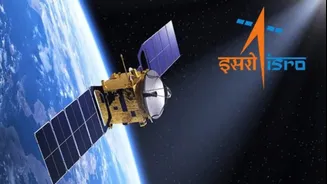
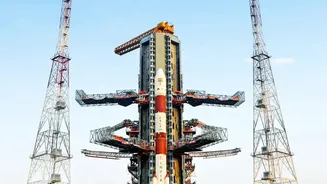
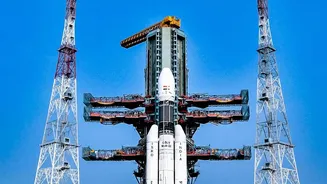
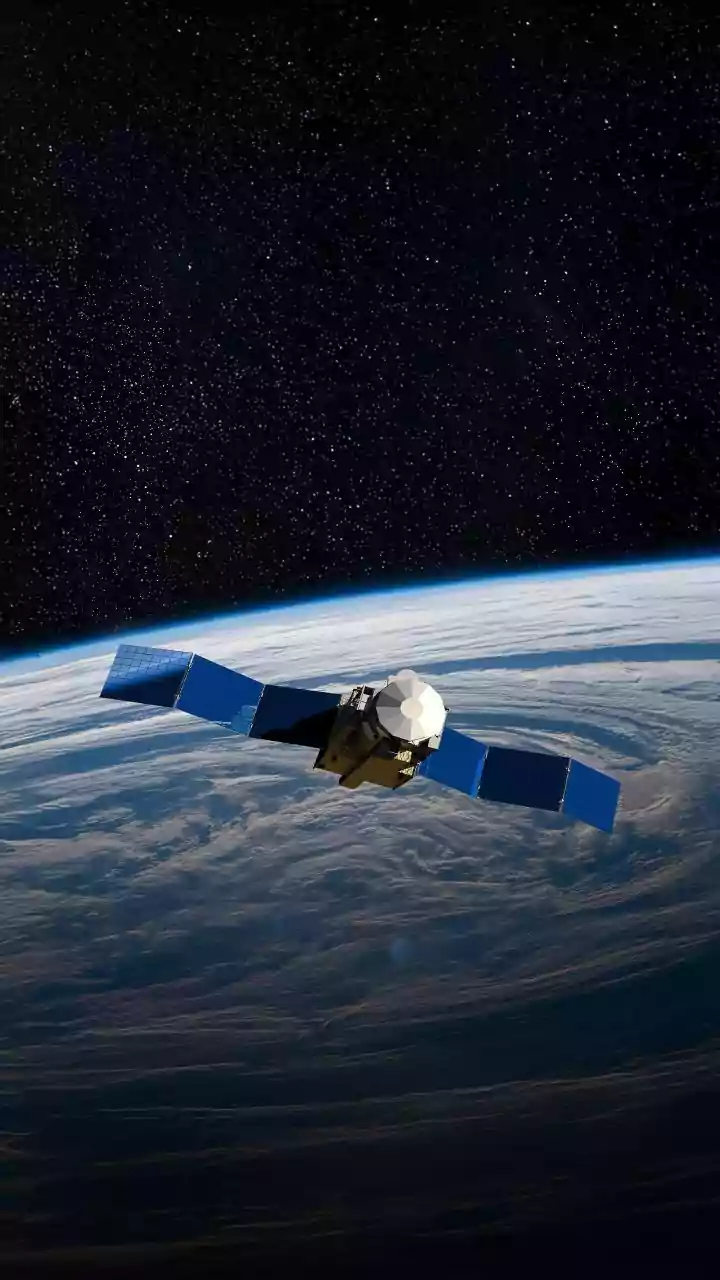
The mission centres on the NVS-03, the third satellite in a new and improved series designed to strengthen and upgrade the Navigation with Indian Constellation (NavIC) system. Scheduled to lift off aboard a Geosynchronous Satellite Launch Vehicle (GSLV)
from the Satish Dhawan Space Centre in Sriharikota, this launch is more than just putting another satellite into orbit. It represents a vital step in ensuring the continuity and enhancement of India’s independent regional navigation services, which cover the entire country and extend 1,500 kilometres beyond its borders. The NVS series is the second generation of NavIC satellites, planned to replace and augment the original IRNSS (Indian Regional Navigation Satellite System) spacecraft. NVS-01, the first in this new line, was successfully launched on May 29, 2023.
What Makes NVS-03 Special
Each new satellite brings with it a host of technological advancements. The NVS-03, with a liftoff mass of about 2,232 kg, is built for longevity, with a planned mission life of at least 12 years. One of its most significant features is the inclusion of an indigenous Rubidium Atomic Clock. These clocks are the heart of any navigation satellite, providing the ultra-precise timing information needed to calculate an accurate position on the ground. Failures in imported atomic clocks on some of the first-generation satellites were a key learning experience for ISRO. By flying its own indigenously developed clock, India takes a massive step in mastering a critical technology and reducing foreign dependency. Furthermore, the NVS series introduces a new L1 frequency band for civilian use, in addition to the existing L5 and S bands. This move is strategic, as the L1 band is the most commonly used by consumer devices, which will significantly improve the adoption of NavIC in smartphones, wearables, and other commercial gadgets.
The Power of NavIC Explained
So, why is having our own system like NavIC so important? Think of it as India's answer to the American GPS, Russia's GLONASS, or Europe's Galileo. While we can all use GPS, complete reliance on a system owned by another country poses strategic risks, especially during times of conflict, as was highlighted during the Kargil War. NavIC provides India with guaranteed and uninterrupted positioning services. It offers two tiers: the Standard Positioning Service (SPS) for all civilian users, with an accuracy of about 5-20 metres, and an encrypted Restricted Service (RS) for defence and strategic applications. This dual-use capability makes NavIC indispensable for national security, from guiding munitions to troop movements, all while powering a host of civilian applications.
From Disaster Alerts to Your Daily Commute
The benefits of a robust NavIC system touch everyday life in countless ways. It provides vital support for disaster management, enabling early warnings for cyclones and tsunamis to be sent to fishermen far from the coast. In transportation, it facilitates real_time train monitoring and commercial vehicle tracking, making logistics more efficient. Farmers can use its precision for better crop management, and our banking and power grid systems rely on its precise timing for synchronisation. As NavIC signals become more integrated with everyday devices, its use in location_based services, from ride_hailing apps to your car's navigation, will become seamless. This mission is not just about space technology; it is about building resilient infrastructure that serves every Indian citizen.