

A Fasting Tradition
Sawan, the fifth month in the Hindu lunar calendar, is dedicated to Lord Shiva. Many devotees observe fasts, particularly on Mondays (Somwars), to seek blessings. This period of spiritual discipline involves dietary restrictions, where certain foods are
avoided, and a simpler, 'satvik' diet is embraced. Grains, lentils, onions, and garlic are typically set aside. In their place, ingredients like sabudana (tapioca pearls), fruits, dairy products, and certain vegetables become staples. Among the permitted vegetables, the potato is exceptionally versatile and cherished. It provides a significant source of carbohydrates, giving a much-needed energy boost during fasts and keeping observers feeling full and satisfied.
From Spud to Divine Sweet
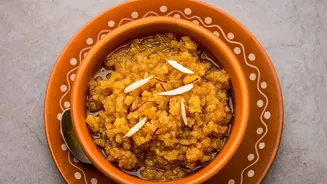
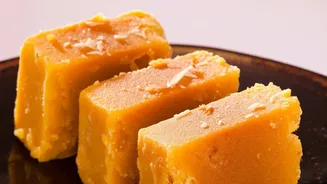
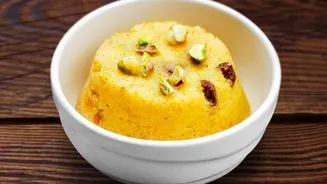
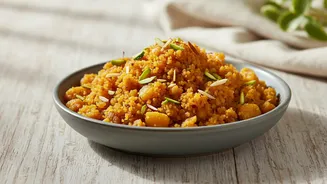
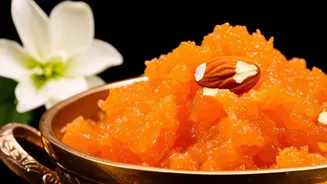
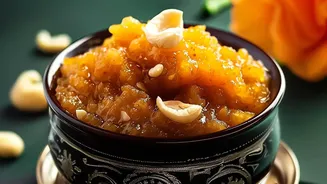
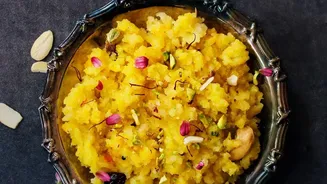
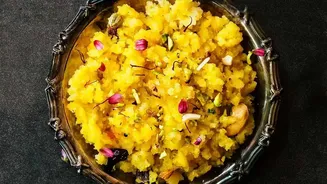
Aloo ka Halwa, or potato halwa, is a popular dessert, especially in North India, renowned for being a perfect fasting-day sweet. It’s a rich, dense pudding made from boiled potatoes, ghee, sugar, and fragrant spices. The magic lies in the transformation; the starchy, plain potato is cooked down until it becomes a glossy, aromatic, and incredibly delicious confection. The process involves sautéing mashed or grated potatoes in pure desi ghee until they turn golden and aromatic. Sugar is then added, which melts and incorporates into the potato base, followed by flavourings like cardamom and saffron. The result is a sweet that is not only permissible during fasts but is also deeply comforting and indulgent.
Ingredients for Your Festive Halwa
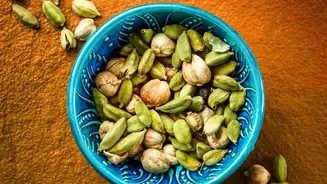
This recipe is simple and relies on a few high-quality ingredients. To make a generous portion that serves about four people, you will need: Potatoes: 500 grams (about 4-5 medium-sized potatoes) Ghee (Clarified Butter): 4-5 tablespoons. Using pure desi ghee is crucial for the authentic aroma and taste. Sugar: 3/4 to 1 cup, adjustable to your preference. Milk: 1/2 cup (optional, for a creamier texture). Some recipes use milk, while others use a splash of water or none at all. Cardamom Powder: 1/2 teaspoon, from about 4-5 green cardamom pods. Nuts: A handful of almonds, cashews, and pistachios, chopped for garnish and texture. Saffron: A few strands soaked in a tablespoon of warm milk for colour and fragrance (optional).
Step-by-Step Preparation Guide
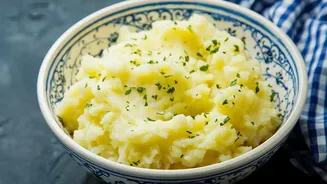
1. Prepare the Potatoes: Boil the potatoes until they are completely tender. Once they have cooled slightly, peel the skin and mash them thoroughly. For a smoother, lump-free texture, you can grate the boiled potatoes. 2. Roast the Potatoes: Heat the ghee in a heavy-bottomed or non-stick pan over medium heat. Add the mashed potatoes and begin to sauté. This is the most important step and requires patience. Stir continuously for 10-15 minutes until the potato changes colour to a light golden brown and releases a beautiful aroma. 3. Add Sweetness: Once the potatoes are well-roasted, add the sugar. As you stir, the sugar will melt, and the mixture will become slightly runny. Continue to cook, stirring constantly. 4. Thicken the Halwa: Keep cooking until the mixture thickens and starts to pull away from the sides of the pan. This should take about 5-7 minutes. If you are using milk and saffron, this is the time to add them, stirring until the liquid is absorbed and the halwa thickens again. 5. Finishing Touches: Turn off the heat and stir in the cardamom powder. Add most of the chopped nuts, reserving some for garnish. 6. Serve: Transfer the hot Aloo Halwa to a serving bowl, garnish with the remaining nuts, and serve immediately.
Tips for the Perfect Halwa
For the best results, always use a heavy-bottomed pan to prevent the halwa from sticking and burning. Don't rush the roasting process; cooking the potatoes slowly in ghee is key to developing the deep, nutty flavour that defines a good halwa. Feel free to adjust the amount of sugar to your liking. Some recipes also use jaggery instead of sugar for a different flavour profile. While milk is optional, it does add a lovely creamy richness to the final dish. You can also roast the nuts in a little ghee before adding them for an extra crunchy texture and enhanced flavour. This halwa is best enjoyed warm, offering a comforting and energizing treat during your Sawan observances.