







The Theme: A Four-Pillar Framework
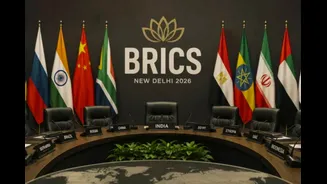
India's chairship of BRICS in 2026 is guided by the central theme: “Building for Resilience, Innovation, Cooperation and Sustainability”. This framework, rooted in a “Humanity First” approach, defines India's vision for the bloc. Having already hosted
over 350 meetings across 25 cities this year, India's goal is to move BRICS towards practical cooperation that benefits economies and people directly. The summit, scheduled for September 12-13 in New Delhi, marks the culmination of this year-long effort and the fourth time India has chaired the group.
Priority 1: Building Resilience
A primary focus for India is bolstering the resilience of BRICS nations against global shocks. This involves strengthening economies, societies, and institutions to better withstand supply-chain disruptions, health crises, geopolitical turmoil, and climate-related risks. The agenda aims to create robust and adaptable systems that can support inclusive development and protect member countries from the kind of volatility that has marked recent years. This pillar addresses everything from energy security, which has become a pressing concern, to ensuring predictable trade policies.
Priority 2: Driving Innovation and Digital Cooperation
Innovation is the second key pillar, with a strong emphasis on technology's role in transforming economies. India is pushing for greater cooperation in cutting-edge fields like artificial intelligence, financial technology (fintech), and digital public infrastructure. The goal is not just technological advancement for its own sake, but using it to improve lives, expand opportunities, and deliver essential services more effectively. Initiatives like the proposed BRICS Platform for Digital Public Goods, which would create a repository of open-source tech applications, are central to this vision.
Priority 3: Deepening Practical Cooperation
India is keen to ensure that BRICS delivers tangible results. This translates to a focus on deepening cooperation in a wide range of areas including trade facilitation, agriculture, healthcare, and energy. A significant aspect of this is the push to reform global governance institutions like the United Nations, IMF, and World Bank to give a greater voice to emerging economies. Furthermore, India is promoting the use of national currencies for bilateral trade and advancing digital payment systems to reduce transaction costs, seeing these as practical steps toward greater economic integration.
Priority 4: Advancing Sustainability
The fourth pillar of India’s agenda is sustainability, aiming to align economic growth with environmental responsibility. This involves accelerating collective efforts on climate action, promoting green finance, and supporting a just energy transition. India's approach recognizes that sustainability efforts must consider the national circumstances and development priorities of each member state. By championing initiatives in renewable energy and climate-resilient infrastructure, New Delhi hopes to steer the bloc toward a development model that secures the future for all.