





A Promise in the Air
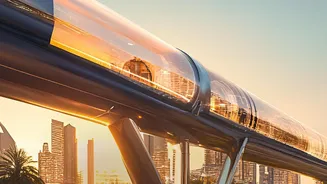
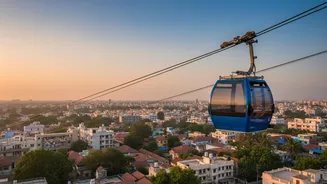
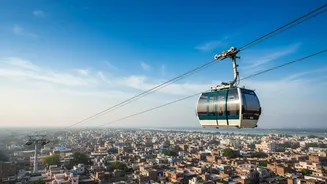
Set to be only the third urban ropeway transit system in the world, the Kashi Ropeway is a futuristic answer to an ancient city's traffic prayers. Spanning nearly four kilometres, it will connect Varanasi Cantonment railway station to Godowlia Chowk,
a bustling hub near the Kashi Vishwanath Temple. The goal is to transform a journey that can take up to an hour in dense traffic into a predictable 15- to 20-minute aerial commute. With around 150 cabins, each holding 10 passengers and arriving every few minutes, the system is designed to carry thousands of people per hour, from pilgrims and tourists to daily office-goers. It’s a high-tech solution aimed at preserving the city’s heritage fabric by lifting traffic off its congested streets.
Varanasi’s Climate Challenge
However, the ropeway will operate in a city of climatic extremes. Varanasi's weather is not always gentle. The summer months, particularly May and June, bring scorching hot winds known as the 'Loo', with temperatures often soaring above 40 degrees Celsius. This is followed by the monsoon season from July to October, which brings heavy rainfall and strong winds. Winter offers a reprieve with cooler, calmer weather, but can also feature dense fog. Each of these conditions—extreme heat, high winds, lightning during thunderstorms, and poor visibility—poses a significant challenge for an aerial transport system suspended on cables high above the city.
The Non-Negotiable Rules of Safety
Ropeway operations globally are governed by strict safety protocols, with weather being a primary factor. The European standards, which the Varanasi project is expected to follow, have detailed provisions for mitigating wind impact. The most critical factor is wind speed. While specific limits for the Varanasi system have not been publicly detailed, general industry guidelines often require operations to be suspended when wind speeds reach a certain threshold, for instance, around 60 km/h (or 16 m/s in some guidelines). Strong crosswinds can cause the gondolas to sway excessively, creating a safety risk. Similarly, operations are typically halted during thunderstorms due to the risk of lightning strikes. Extreme heat can also be a concern, potentially affecting equipment and passenger comfort inside the non-air-conditioned but well-ventilated cabins.
Balancing Reliability with Responsibility
This is where the central dilemma lies. For the ropeway to be a true mass transit solution, it must be reliable. Daily commuters need to trust that the service will be available when they need it. However, safety cannot be compromised. Frequent shutdowns during the monsoon season or summer storms could undermine the system's utility for everyday travel, potentially relegating it to more of a tourist attraction used during fair weather. The operators, National Highways Logistics Management Limited (NHLML), will have to perform a delicate balancing act. They must create operational rules that are strict enough to ensure passenger safety in all conditions but flexible enough to maximize uptime and deliver on the promise of a dependable daily commute. These rules will ultimately determine if the ropeway becomes the city's new lifeline or a novelty item.