

The Abode of the Gods
Long before trekkers sought its summit, Deo Tibba held a sacred place in local mythology. The name itself translates to 'Hill of the Gods'. According to belief, the dome-shaped peak is the celestial assembly hall where the deities of the Kullu Valley
convene. Specifically, it is considered the gathering place for the gods, while the formidable neighboring peak, Indrasan, is said to be the throne of Lord Indra himself. This spiritual significance infuses the trek with a deep sense of reverence. Unlike many other Himalayan routes, the journey to Deo Tibba feels less like a physical conquest and more like a pilgrimage, offering a connection to the ancient stories that shape these mountains.
A Classroom for Aspiring Mountaineers
Deo Tibba is widely regarded as an exceptional training ground for those looking to move from high-altitude trekking to technical mountaineering. While the base camp trek is accessible to fit hikers, the expedition to the 6,001-metre summit is a serious undertaking. The route presents a comprehensive curriculum of alpine skills: navigating dense forests, crossing glacial streams, traversing moraine fields, and negotiating crevassed glaciers. Many trekkers who have completed popular routes like the Hampta Pass or Beas Kund see Deo Tibba as the logical next step, offering a perfect blend of challenge and learning in an expedition-style setting.
The Journey to Chota Chandratal
One of the trek's most enchanting highlights is the visit to Chota Chandratal, a stunning high-altitude lake nestled at the mountain's base. Its name, meaning 'Small Moon Lake', distinguishes it from the more famous Chandratal in Lahaul & Spiti. This emerald-blue lake is a key destination of the trek, not merely a side attraction. Reaching this serene waterbody, with the colossal Deo Tibba peak and its hanging glaciers as a backdrop, is a reward in itself. The campsite near the lake, often at Tainta, is set in a dramatic, closed valley, offering a sense of profound solitude and an intimate encounter with the high Himalayas.
A Summit Unlike Any Other
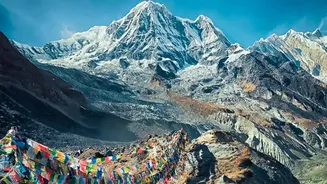
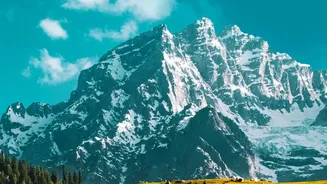
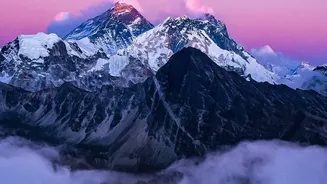
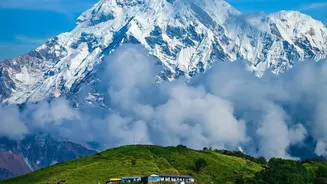
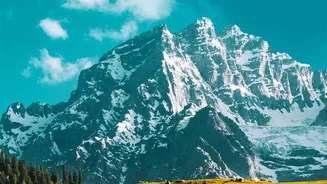
The peak of Deo Tibba defies the classic image of a pointed Himalayan summit. Instead, its crown is a massive, dome-shaped plateau of ice and snow, a feature that sets it apart from other mountains in the Pir Panjal range. This unique formation means the summit experience is not about perching on a narrow ridge but standing atop a vast, snow-covered expanse. The panoramic views from here are breathtaking and unobstructed. Trekkers and climbers are rewarded with a stunning vista that includes Indrasan, its formidable neighbor, and a sea of other peaks stretching across the horizon.
The Ultimate Alpine Experience
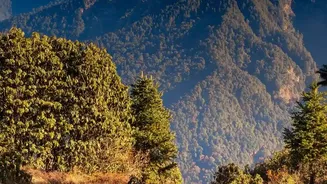
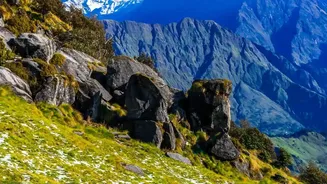
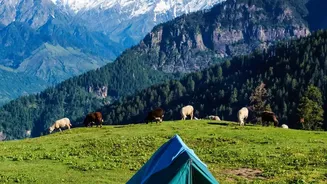
Choosing Deo Tibba over more commercialized treks is a choice for depth and authenticity. The route is less crowded, allowing for a genuine wilderness experience. The journey takes you through a remarkable variety of landscapes in a relatively short span. You begin in the lush oak and deodar forests near Jagatsukh village, emerge into the vast alpine meadows of Seri, and finally ascend into the rugged world of rock, ice, and moraine. This combination of rich mythology, diverse terrain, technical challenges, and spectacular rewards makes the Deo Tibba trek a complete Himalayan adventure, proving it is far more than just a quick trip from Manali.