





A New Chapter in Indian Wildlife Tourism
In a significant move for eco-tourism, the Ladakh administration flagged off its pioneering Snow Leopard Safari in early October 2026. The launch, which took place during Wildlife Week, marks the formal start of India's first-ever high-altitude wildlife
safari. This initiative was fast-tracked, moving from announcement on August 5 to execution in just two months. Six specially designed, open-back safari vehicles were inaugurated by Lieutenant Governor Vinai Kumar Saxena to begin the programme. The project is a collaboration between the Snow Leopard and High-Altitude Nature Conservation (SHAN) Society and Ladakh's Department of Forest, Ecology and Environment. The core objective is to create a structured and responsible way for tourists to experience Ladakh's incredible biodiversity while preventing the environmental damage caused by unregulated tourism and illegal off-roading.
The Safari Experience: On the Trail of the Ghost Cat
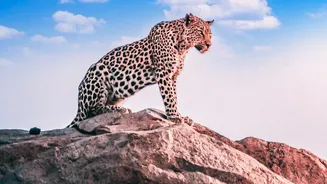
The safari offers a guided opportunity to spot one of the world's most elusive big cats in its natural, rugged habitat. Initially, the safaris will operate in the areas of Rumbak, Shang, and Uley, which are well-known hotspots for frequent snow leopard sightings. The plan is to expand the approved routes over time to include areas within Hemis National Park, the Changthang and Karakoram Wildlife Sanctuaries, and other wildlife-rich regions like Nubra, Zanskar, and Kargil. Visitors will be accompanied by trained local drivers and wildlife guides, ensuring a safe and informative experience that minimises disturbance to the animals. This regulated approach is modelled on successful safaris in other Indian national parks like Kaziranga and Ranthambore, but adapted for the unique high-altitude environment of Ladakh.
Conservation Meets Community Livelihood
This initiative is about more than just tourism; it's a new model for a 'conservation economy'. The administration has emphasised that the goal is not simply to attract more tourists, but to create a system where local communities become active partners and primary beneficiaries of wildlife protection. By creating sustainable livelihoods for local youth as guides, drivers, and conservation entrepreneurs, the plan aims to give residents a direct stake in protecting their region's fragile ecosystem. As Lieutenant Governor Saxena noted, when a local guide earns from a snow leopard sighting, conservation becomes an economic opportunity. Ladakh is home to an estimated 477 snow leopards, the largest population in India, making these community-led efforts vital for the species' long-term survival.
Beyond the Snow Leopard
While the snow leopard is the star attraction, the wildlife tourism plan extends to Ladakh's broader biodiversity. The region boasts over 38 mammal species and more than 340 bird species. To support this, the administration is training 20 local youths in bird identification and spotting, equipping them with binoculars and establishing bird-watching hides in key areas. Additionally, a Wild Animal Felting Programme involving 50 local women has been highlighted, connecting traditional handicraft skills with conservation by creating wildlife-themed products from locally sourced wool. This holistic approach ensures that the economic benefits of tourism are widespread and reinforces the connection between cultural heritage and environmental stewardship.
Planning a Responsible Visit
For those hoping to experience the safari, the key is responsible travel. The new system is built around designated routes and restrictions on visitor numbers to protect the sensitive landscape. While private tour operators have long offered snow leopard tracking expeditions, this government-backed initiative provides a more structured and regulated framework. The focus on using trained local guides not only enhances the visitor experience with expert knowledge but also ensures that tourism revenue directly supports the communities living alongside the wildlife. Visitors are encouraged to respect the rules against off-roading and to choose operators who adhere to the principles of sustainable, low-impact tourism that this new plan champions.