




The Myth of 'Natural is Always Safe'
There's a common belief that if an ingredient is natural or you can eat it, it must be gentle on your skin. However, this is a dangerous misconception. Natural ingredients are made of potent chemical compounds that can cause significant skin reactions.
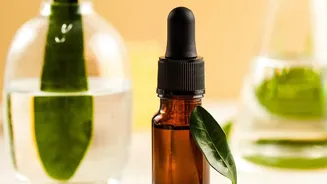
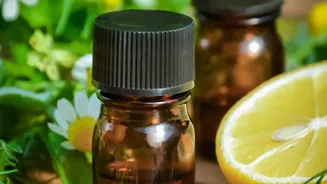
Many plant-based oils and extracts, like essential oils (lavender, tea tree), citrus, and even soothing-sounding botanicals like chamomile, are known allergens for some people. An allergic reaction, known as contact dermatitis, can result in redness, itching, swelling, or even blisters that take weeks to heal. The truth is, your skin can be sensitive to anything, whether it's made in a lab or grown in a garden.
What Exactly Is a Patch Test?
A patch test is a simple procedure to check if your skin will have a negative reaction to a new product before you apply it all over your face or body. It involves applying a small amount of the substance to a discreet patch of skin to see how it responds over a period of time. Think of it as a safety preview. This simple act of caution helps you identify potential irritants and allergens, saving you from the discomfort and damage of a widespread reaction. It allows you to personalize your routine, because what works wonders for a friend could be a disaster for your unique skin.
How to Perform a Patch Test Correctly
Performing a patch test at home is straightforward. The American Academy of Dermatology and other experts recommend a consistent method for reliable results. First, choose a discreet area of skin, like the inside of your elbow or behind your ear. This skin is sensitive enough to be a good indicator for your face. Apply a small, pea-sized amount of your homemade mixture to a clean, dry, quarter-sized patch of skin. For a leave-on mask, you leave the product on. For a wash-off product like a cleanser, let it sit for about five minutes before rinsing. Now comes the waiting game. You should observe the area for at least 24 hours, but some reactions can take up to 72 hours to appear. During this time, keep the area dry and do not apply any other products to it.
Reading the Signs of a Reaction
During and after the waiting period, you need to monitor the test spot for any signs of distress. A negative reaction isn't always dramatic. Look for redness, itching, swelling, tiny bumps, a rash, or a burning sensation. Some active ingredients might cause a slight, temporary tingle, but any sensation that lasts, stings, or feels uncomfortable is a red flag. If you notice any of these signs, wash the product off immediately with cool water and a gentle cleanser. Do not proceed with applying the mixture to your face. If the reaction is severe or doesn't subside, it's wise to consult a doctor or dermatologist.
Beyond the Basics: Extra Considerations
Don't test more than one new product or ingredient at a time. If you do and a reaction occurs, you won't know which one was the culprit. This is especially important with DIY recipes that have multiple components. If you have a known history of sensitive skin, eczema, or conditions like atopic dermatitis, you should be even more diligent. Some ingredients, like citrus oils, can cause photosensitivity, which means your skin can have a reaction when exposed to sunlight. If your DIY recipe includes these, be extra careful about sun exposure. Ultimately, just because a recipe is trending online doesn't mean it's right for you.