

The Ultimate Survivor Crop
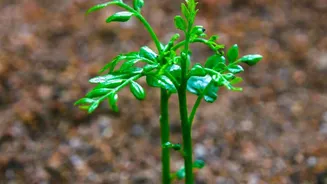
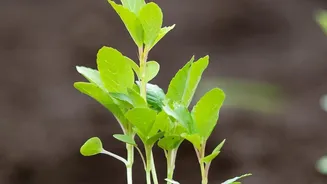
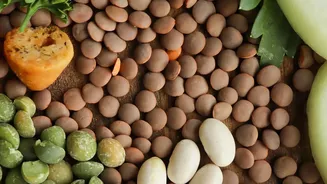
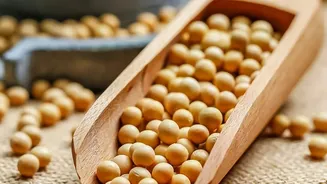
Known scientifically as Lathyrus sativus, and in India as khesari dal, the grass pea is an ancient legume celebrated for its sheer toughness. It thrives where other crops falter, tolerating drought, flooding, and poor soil with remarkable ease. This resilience
has made it a literal lifesaver, an 'insurance crop' for farmers in parts of South Asia and Africa when famine looms and all other harvests fail. Agriculturally, it's a gift to the land, fixing nitrogen in the soil which reduces the need for fertilizers and improves conditions for future crops.
A Dark and Complicated History
For all its strengths, the grass pea carries a dark legacy. Traditional varieties contain a neurotoxin known as ODAP (or β-ODAP). When consumed in large quantities as a primary food source for extended periods—typically for two to three months during times of starvation—it can cause a debilitating, irreversible condition called neurolathyrism. This neurological disease leads to paralysis of the lower limbs. This risk, a tragic choice between starvation and paralysis, led India to ban the sale and storage of khesari dal for human consumption in 1961. It's crucial to note that lathyrism is a disease of extreme poverty and malnutrition, not casual consumption.
A Scientific Redemption
For decades, scientists have worked to detoxify this promising crop. Through persistent breeding efforts, they have succeeded. Researchers have developed new grass pea varieties with extremely low or even negligible levels of the ODAP toxin. Varieties like 'Ratan', 'Prateek', and 'Mahateora' have been developed in India, containing less than 0.1% ODAP, which is considered a safe level. These scientific breakthroughs were significant enough that an expert committee recommended lifting the long-standing ban in 2015, which the central government did in 2016, paving the way for a controlled revival. However, the legal status can still be complex, with some sources noting that the federal prohibition on direct sale remains, even as rules have been relaxed to allow its incidental presence in other pulses.
A Plant-Based Powerhouse
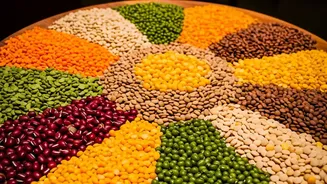
With the safety concerns addressed by new varieties, the focus shifts back to the grass pea's impressive nutritional profile. It is packed with protein, boasting levels around 26-32%, which is significantly higher than many other legumes like chickpeas. It is also a good source of fiber, essential amino acids (though low in some, like other legumes), and key minerals. This makes it an excellent addition to any plant-based diet, offering a high-protein, low-input food source that is both sustainable and affordable. Its cultivation requires fewer resources, making it a climate-smart choice for a growing global population.
From Stigma to Superfood
The path forward for the grass pea involves overcoming its historical stigma. Efforts are underway in states like Bihar to reintroduce the safe, high-yielding varieties to farmers, demonstrating their economic and nutritional benefits. As a food, it is versatile. In India, it's traditionally used to make dal or mixed into flour called sattu. In Italy, where it's known as 'cicerchia', it's enjoying a culinary revival in soups and stews. The journey is far from over, but as the world grapples with climate change and food security, this once-feared legume is making a powerful case. Its story is one of resilience, not just in the field, but in its journey from a crop of last resort to a potential food of the future.