


The Foundation: Perfecting Your Batter
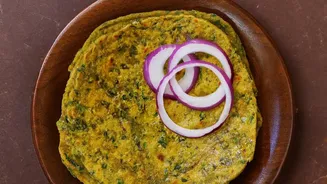
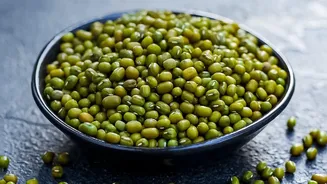
Before your ladle even touches the pan, the journey to a crisp pesarattu begins with the batter. Unlike some other dosas, pesarattu batter is made from soaked whole green moong dal and is not fermented. The consistency is crucial; it must be just right.
Aim for a batter that is smooth, thick, and pourable, much like pancake or standard dosa batter. If it's too thick, it will be difficult to spread and result in a heavy, dense crepe. If it's too watery, it will tear and won't hold its shape on the tawa. Many traditional recipes suggest adding a small amount of raw rice or rice flour during grinding, which is a secret to achieving a crispier texture. The ideal soaking time for the green gram is between four to six hours; over-soaking can lead to softer dosas. To get the consistency perfect, add water gradually while grinding rather than mixing it in afterward.
Heat Management Is Everything
The second key to a perfect spread is the temperature of your tawa or pan. An improperly heated surface is a common reason for failure. Your tawa should be hot, but not smoking hot. A good way to test this is by sprinkling a few drops of water on the surface; they should sizzle and evaporate almost immediately. If the tawa is too hot, the batter will cook and set the moment it touches the surface, making it impossible to spread thinly. If it's not hot enough, the pesarattu will steam and turn soft instead of becoming crisp. For best results, use a heavy-bottomed cast iron tawa, which retains and distributes heat evenly. Before pouring the batter for the first dosa, you can season a cast iron pan by rubbing it with a sliced onion and a few drops of oil, then wiping off the excess. This helps prevent sticking. Between dosas, if the pan gets too hot, you can sprinkle it with water to cool it down slightly before making the next one.
Master the Spreading Motion
With your perfect batter and a well-heated tawa, you are ready for the main event. Use a ladle with a flat bottom. Pour about a ladleful of batter (approximately ¼ to ½ cup) into the very center of the tawa. Acting quickly, use the flat back of the ladle to spread the batter outwards in a continuous, smooth, circular motion, starting from the center and spiraling towards the edges. Apply gentle, even pressure. Don't press too hard, or you might tear the dosa. The goal is to create a thin, uniform layer across the pan. Keep the pesarattu at a medium thickness—not paper-thin like a paper dosa, but not thick like an uttapam. If you work fast, the batter will spread into a perfect circle before it begins to set.
Troubleshooting Common Issues
Even with practice, things can sometimes go wrong. If your batter clumps up and refuses to spread, it's a classic sign that your pan is too hot. Remove the pan from the heat for a moment or wipe it with a damp cloth to bring the temperature down before trying again. If the pesarattu sticks to the pan, it could be due to either an overheated tawa or a batter that is too watery. Another reason could be an unseasoned or improperly cleaned pan. If you find your pesarattu has thick and thin spots, it means the pressure during spreading was uneven. While it cooks, you can sometimes use the back of a spatula to gently move batter from thicker spots to thinner ones, but this is best avoided by mastering the initial spread.
Cooking for the Ultimate Crisp
Once you have successfully spread the batter, the cooking process completes the job. Cook on a low to medium flame. Drizzle about a teaspoon of oil or ghee around the edges and a few drops on top. This helps the edges become crisp and golden brown. Let the pesarattu cook undisturbed until you see the edges begin to lift away from the pan and the surface looks cooked. For a very thin pesarattu, you often don't need to flip it. However, if you've added toppings like chopped onions or your crepe is a bit thicker, you can flip it and cook for another 30-60 seconds to ensure it's cooked through. The longer it cooks on a medium flame, the crispier it will become.