




A Market Flexing Its Muscles
India's appetite for protein is experiencing a significant growth spurt. The overall protein market, valued at around USD 1.62 billion in 2026, is projected to surge to approximately USD 2.22 billion by 2031. This isn't just a fleeting trend; it’s a structural
shift in a nation where an estimated 73% of the urban population is protein-deficient. This gap between dietary need and actual consumption has created a massive opportunity, moving protein from a niche supplement category to a mainstream consumer good. The growth is fueled by a confluence of factors: rising disposable incomes, rapid urbanization, and a dramatic increase in health and wellness consciousness, partly accelerated by the pandemic's focus on immunity.
Beyond the Gym: Protein for Everyone
For decades, protein supplements were almost exclusively associated with athletes and serious gym-goers. Today, that perception is changing fast. The new wave of consumers includes busy working professionals, health-conscious families, and seniors focused on active aging. This mainstream adoption is driven by a broader understanding of protein's benefits beyond muscle building, such as weight management, sustained energy, and overall well-being. Brands are responding by moving away from hyper-masculine, performance-focused marketing to a more inclusive, lifestyle-oriented approach. Social media influencers and wellness experts have played a key role in demystifying protein and presenting it as an essential component of a balanced daily diet.
Snacking Gets a Healthy Upgrade
The snack aisle is one of the most visible frontiers of this protein revolution. Consumers are increasingly swapping traditional fried snacks for healthier, functional alternatives. The Indian protein bar market alone is expected to grow from USD 1.22 billion in 2026 to USD 1.76 billion by 2033. But it's not just about bars. The market is now flooded with protein-fortified chips, cookies, biscuits, and roasted snacks like makhana and chana. Quick commerce platforms have seen a staggering 150% rise in orders for protein-based products over the past two years, signaling a shift toward convenient, on-the-go nutrition. This has turned what was once a planned purchase at a specialty store into a spontaneous addition to the weekly grocery list.
The Rise of Protein-Powered Drinks
Beverages are another fast-growing segment. Ready-to-drink (RTD) protein shakes, once a rare sight, are now commonplace in supermarkets and online stores. These products offer a convenient solution for post-workout recovery or a quick, nutritious meal replacement. But the innovation doesn't stop there. Mainstream FMCG giants and dairy cooperatives have entered the fray. Amul, for instance, has launched a wide array of high-protein dairy products, including lassi, buttermilk, and even protein-fortified milk with five times the normal protein content. The market is also seeing the emergence of protein water, fortified juices, and plant-based milk alternatives, catering to a diverse range of tastes and dietary needs, including vegan and lactose-intolerant consumers.
Fortifying India's Staples
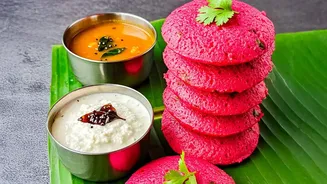
Perhaps the most significant development is the integration of protein into everyday staple foods. This strategy aims to improve the nutritional quality of the Indian diet at its very core. Companies are now offering protein-enriched atta (wheat flour), making it possible to get an extra dose of protein from daily rotis and chapatis. The trend extends to breakfast cereals, dosa and idli batters, and even traditional foods like sattu, a flour made from roasted legumes and cereals. Government initiatives to fortify rice and other grains distributed through public welfare schemes are also helping to address nutritional deficiencies on a mass scale. This fortification of familiar, culturally accepted foods makes it easier for consumers to boost their protein intake without drastically changing their eating habits.