





First, A Quick Refresher
Let’s start with the basics. E10 is petrol blended with 10% ethanol, a biofuel typically made from sources like sugarcane or maize. India's Ethanol Blending Programme (EBP) aims to reduce our reliance on imported crude oil, lower carbon emissions, and
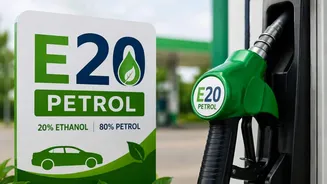
provide an additional income stream for farmers. The country has made significant strides, moving from less than 1.5% blending a decade ago to making E20 (20% ethanol) the standard fuel available nationwide since April 2026, a target achieved ahead of schedule.
The Headlines You're Seeing
Recently, you might have seen headlines suggesting the government is bringing back E10 fuel. This has sparked a wave of confusion and speculation. The news stems from public concerns over E20's compatibility with older vehicles and a slight drop in mileage. In response, senior officials, including the Chief Economic Adviser, have publicly supported making a lower-ethanol blend available again. This has led to reports that E10 is making a comeback, causing some to believe the government is rolling back its E20 policy.
The Reality: A Potential Option, Not a Rollback
This is where the headlines overstate the change. The government is not abandoning its E20 target. Instead, it is exploring ways to offer E10 as an additional option, primarily for owners of older vehicles manufactured before 2023. The key challenge has always been logistics. Creating a third nationwide fuel stream alongside regular petrol and E20 would require massive investment in new storage tanks and pumps at over 100,000 retail outlets. Just last month, the government had ruled this out as too costly and complex.
The Premium Fuel Workaround
So what has actually changed? The discussion has shifted to a clever workaround. The current proposal being considered by oil marketing companies (OMCs) like BPCL and Indian Oil is to dispense E10 fuel through the existing network of premium, high-octane pumps (like XP95 or Speed). These premium fuels currently contain E20 but could be switched to an E10 blend. Since the infrastructure for these fuels already exists, it would allow for the reintroduction of E10 without a massive overhaul. However, it's crucial to note that discussions are at an early stage and no final decision has been made.
What It Means for Your Vehicle
For now, nothing has changed at the pump. E20 remains the standard. If and when E10 is reintroduced via premium fuels, it would likely cost more than standard petrol. The main concern driving this discussion is vehicle compatibility. While the government and manufacturers state that modern vehicles are fully E20-compatible, and even older E10-compliant cars can use it, some owners report lower mileage and worry about long-term wear on components like rubber and plastic parts in vehicles not designed for higher ethanol blends. Offering E10 would provide a choice for these concerned vehicle owners.