






The Problem With Pressure
It’s a scene many Indian parents know well: the last few pieces of bhindi or beans remaining on a child's plate, leading to a cycle of coaxing, bribing, and sometimes, veiled threats. This instinct comes from a place of love and concern for our child's nutrition.
However, research and child feeding experts consistently show that pressuring children to eat often has the opposite effect. When a child feels forced, their brain can start to associate that specific food—in this case, healthy vegetables—with the negative feelings of stress and conflict. This is not simple defiance; it can be a genuine stress response. Neurologically, a child who feels pressured is in a state of 'fight or flight', making them incapable of feeling the curiosity required to try something new. Over time, this pressure can reduce their liking for the food you want them to eat and interfere with their natural ability to recognise their own hunger and fullness cues.
Your Job vs. Their Job: The Division of Responsibility
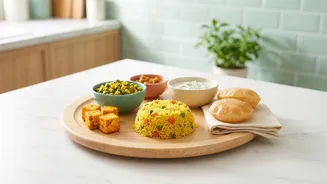
A transformative approach championed by feeding expert Ellyn Satter is the 'Division of Responsibility' in feeding. This model simplifies the feeding dynamic by assigning clear roles. The parent's responsibility is to decide what food is served, when it is served, and where it is served. The child's responsibility is to decide whether to eat and how much to eat from what has been offered. This framework removes the power struggle from the equation. You provide a balanced meal—perhaps dal, rice, roti, and a small serving of a vegetable preparation. Your child then has the autonomy to choose what and how much of it they consume. This trust-based approach empowers children and helps them become more competent eaters who listen to their bodies.
Creating a Positive Food Environment
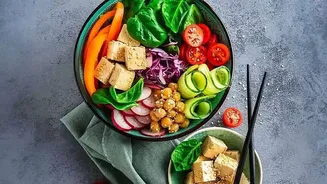
The goal is to make mealtimes peaceful and pleasant, not a performance review of your child's eating habits. Start by serving meals family-style, allowing everyone to put food on their own plate. This gives your child a sense of control. Crucially, always include at least one 'safe' food—something you know your child usually eats, like plain rice, curd, or a simple roti—alongside the new or less-preferred vegetable. This ensures there's something they can fill up on, taking the scarcity and anxiety out of the meal. Lead by example; when your child sees you enjoying a variety of vegetables without any fuss, they receive a powerful positive message. Avoid labelling foods as 'good' or 'bad', as this can make 'bad' foods more desirable and create guilt around eating.
Patience and Exposure: The Long Game
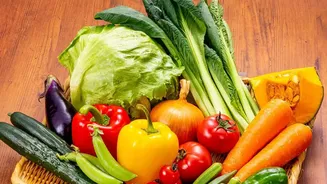
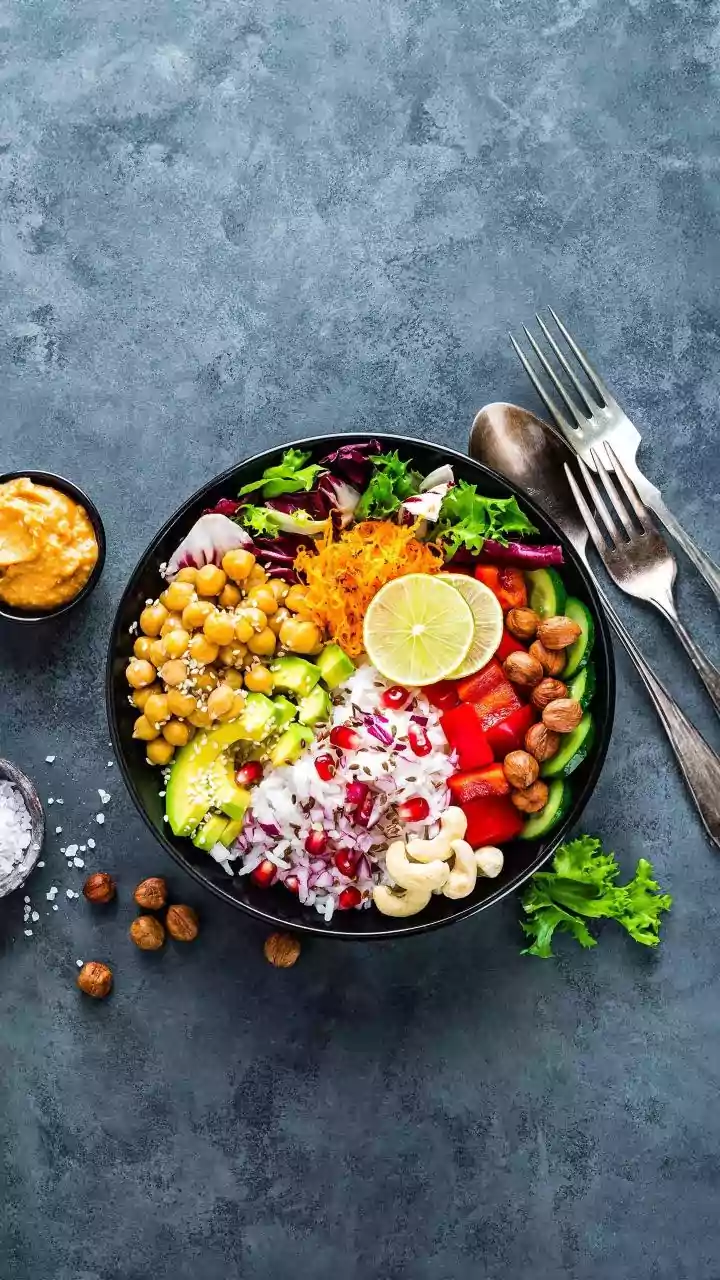
A child rejecting a food once, or even ten times, does not mean they will never eat it. Research shows it can take 8 to 15 exposures before a child is willing to try a new food. Exposure doesn't always mean eating. It can be seeing the food on your plate, helping you wash or chop it in the kitchen, or even just having it on their plate without any expectation to eat it. Get them involved in the process by letting them pick a new vegetable at the market or help stir a sabzi. Make vegetables fun by offering them with a dip like hummus or yogurt, or cutting them into fun shapes. You could try grating carrots or zucchini into paratha dough or adding finely chopped spinach to a dal. The key is repeated, neutral exposure without pressure. Over time, familiarity can breed acceptance, and even enjoyment.