







A Tiny Seed with a Big History
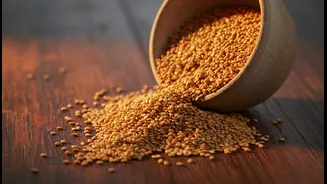
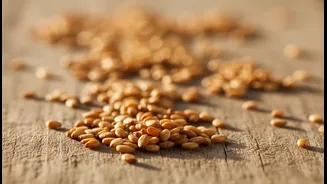
Sesame seeds, derived from the Sesamum indicum plant, are one of the oldest oilseed crops known to humanity, with a history stretching back thousands of years. Revered in ancient medicine and a staple in cuisines from Asia to the Middle East, these small
but mighty seeds have long been celebrated for both their culinary versatility and health-promoting properties. While they can be consumed raw, the simple act of toasting transforms them, unlocking a deeper, nuttier flavour that is far more intense than their raw state. This process makes them a beloved ingredient, used as a garnish for stir-fries and noodles, a component in spice blends, and a key player in sauces and dressings.
A Profile of Healthy Fats
One of the most significant contributions of sesame seeds to our diet is their high content of healthy fats. The majority of the fat in sesame seeds is polyunsaturated and monounsaturated fat. These are the 'good' fats that have been linked to better heart health. Research suggests that replacing saturated fats with these healthier unsaturated fats can help lower bad cholesterol levels, a key risk factor for heart disease. Furthermore, sesame seeds contain plant compounds known as phytosterols, which have a structure similar to cholesterol. These compounds can help reduce cholesterol absorption from your diet, further supporting cardiovascular wellness.
A Treasure Trove of Minerals
Beyond their healthy fat profile, sesame seeds are a fantastic source of essential minerals that play crucial roles in the body. They are particularly rich in copper, which is known for its role in immune function and iron metabolism. They are also a good source of manganese and calcium, which are vital for building and maintaining strong, healthy bones. Other important minerals present in significant amounts include magnesium, which supports everything from muscle function to blood pressure regulation, and zinc, which is critical for a healthy immune system. A sprinkle of sesame seeds can be a simple way to boost your intake of these vital micronutrients.
More Than Just Fats and Minerals
The benefits of sesame seeds don't stop there. They are a good source of dietary fibre, which is essential for digestive health and can help in regulating blood sugar levels. The seeds also contain unique antioxidants, including plant compounds called lignans, such as sesamin and sesamolin. Antioxidants help protect the body's cells from oxidative stress. Some studies have indicated that toasting the seeds can actually enhance their antioxidant properties. They are also a source of plant-based protein, making them a valuable addition to vegetarian and vegan diets.
How to Toast and Use Sesame Seeds
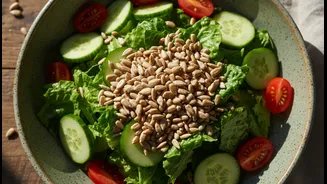
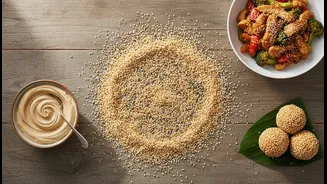
Unlocking the full flavour of sesame seeds is easy. Simply place raw seeds in a dry pan over a low to medium heat. Stir or shake the pan constantly to ensure they cook evenly and don't burn. Within a few minutes, they will turn a light golden brown and release a fragrant, nutty aroma—that's when they're done. Once toasted, let them cool completely before storing them in an airtight container. Sprinkle them over salads, vegetable dishes, rice, and noodle bowls. They are a wonderful addition to tadkas for dals and chutneys, providing a delightful crunch and nutty depth. You can also grind them to make marinades or blend them into dressings.