

What Exactly Is Teff?
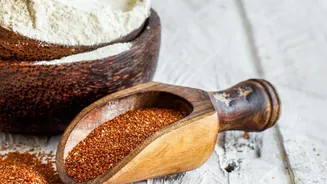
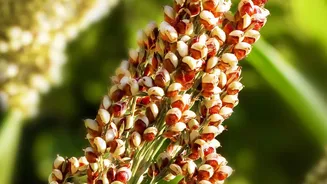
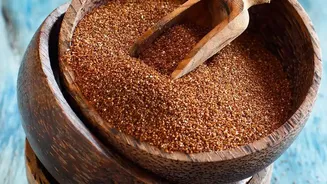
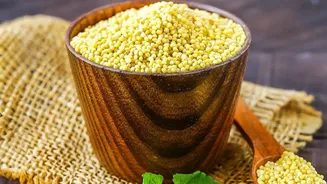
Teff is an ancient grain originating from Ethiopia and Eritrea, where its cultivation dates back thousands of years. It is the seed of a type of grass and is incredibly small—in fact, its name is thought to come from the Amharic word for "lost" because
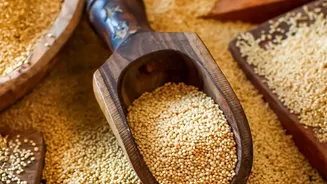
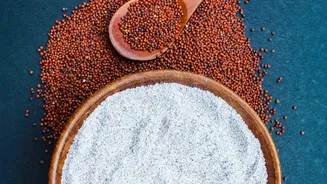
it's so easily scattered. About 100 to 150 teff grains are equivalent in size to a single kernel of wheat. Because the grains are too tiny to be hulled or processed, teff is always consumed in its whole-grain form, preserving all its natural nutrients. It's a staple food in the Horn of Africa, most famously used to make injera, a traditional sourdough flatbread.
A Tiny Grain with Big Nutrition
Don't let its size fool you; teff is packed with nutritional benefits. It is naturally gluten-free, making it an excellent choice for individuals with celiac disease or gluten sensitivity. Teff is a great source of protein, containing all the essential amino acids, particularly lysine, which is often deficient in other grains like wheat and barley. It is also rich in dietary fibre, which aids in digestion and helps manage blood sugar levels. Furthermore, teff is loaded with essential minerals. It boasts significantly more calcium than most other grains and is an excellent source of iron, magnesium, copper, and zinc.
From Breakfast Porridge to Creamy Polenta
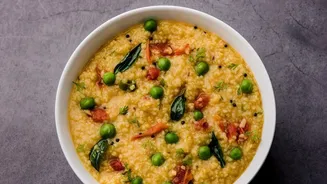
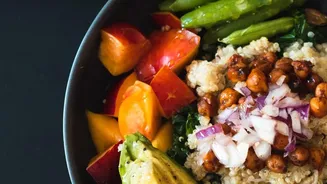
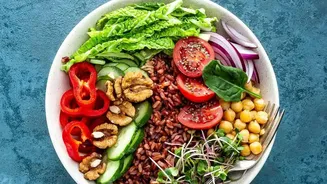
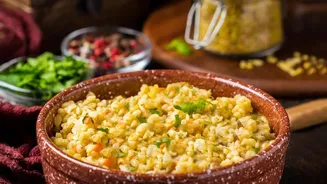
One of the easiest and most popular ways to enjoy teff is as a warm breakfast porridge. Thanks to its small size, it cooks much faster than many other whole grains, typically in about 15 to 20 minutes. To make a simple porridge, combine one part teff with three to four parts water or milk in a saucepan, bring to a boil, then simmer until the liquid is absorbed and the mixture thickens to a creamy, polenta-like consistency. For an enhanced nutty flavour, you can toast the dry grains in the pot for a few minutes before adding liquid. It pairs beautifully with both sweet and savoury additions. For breakfast, try it with cinnamon, maple syrup, fresh fruit, and nuts. For a savoury twist, cook it with broth and top with herbs and roasted vegetables.
Unlocking its Potential in Baking
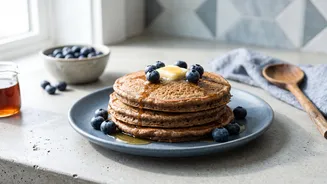
Teff is also sold as a flour, opening up a world of gluten-free baking possibilities. The flavour of teff flour varies by variety; lighter, ivory teff has a milder, sweeter taste, while darker, brown teff offers a richer, earthier flavour with hints of hazelnut or cocoa. Its unique taste profile pairs exceptionally well with chocolate, nuts, caramel, and warm spices. Because it's gluten-free, teff flour won't create the same chewy structure as wheat flour, so it's often used in combination with other gluten-free flours for the best texture in cakes and breads. However, it works wonderfully on its own or as a primary flour in recipes for pancakes, waffles, cookies, and muffins, lending a tender, moist crumb and a wholesome, nutty depth.