





The Amla Capital of India
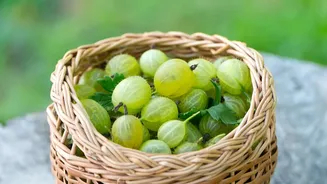
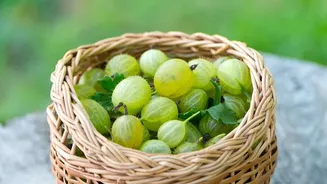
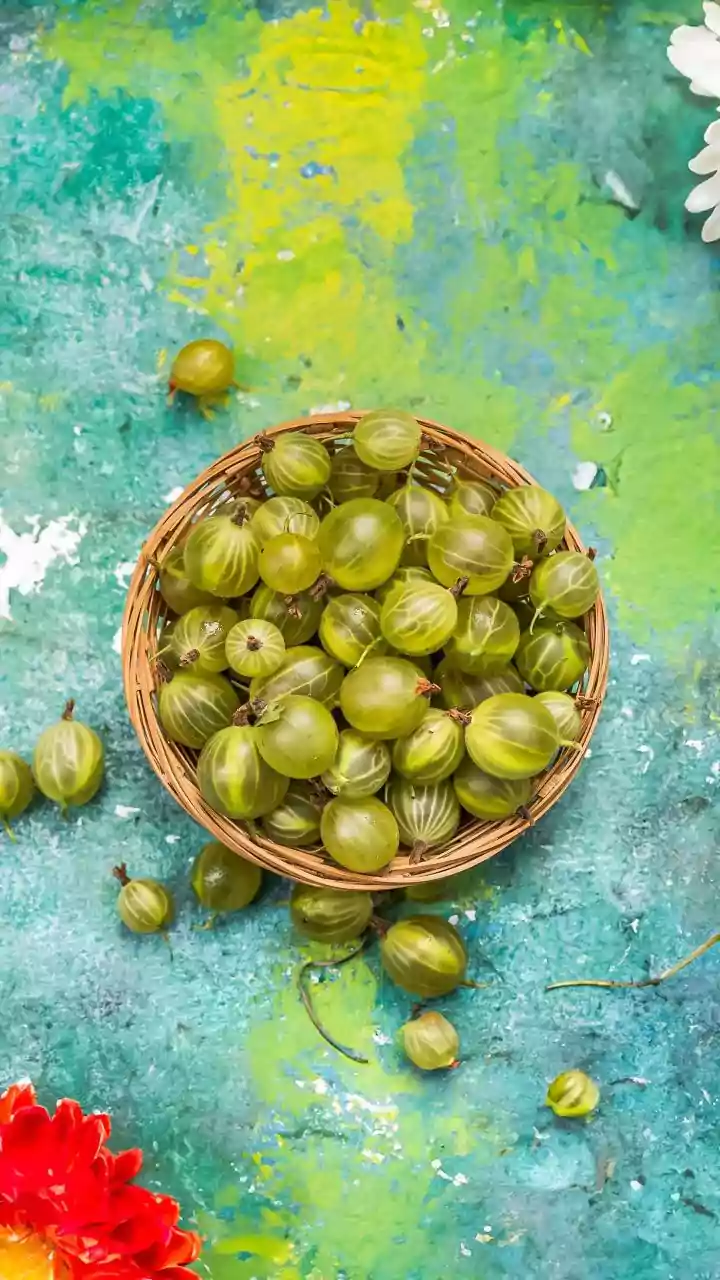
Pratapgarh's association with amla is not a recent development; it's a legacy built over generations of farming. Favourable climate and fertile soil have made the district the ideal location for amla cultivation, earning it the moniker 'Amla Capital of India'.
This long history has embedded the fruit into the cultural and economic fabric of the region, with thousands of farmers dedicating their land to its production. The district's output is immense, producing thousands of tons of the fruit annually and solidifying its role as the country's primary amla hub.
From Raw Fruit to Value-Added Products
For years, the economic benefit for farmers was limited, as they sold fresh amla at low prices due to a short harvest season and lack of storage. However, a significant shift is underway. The focus has moved from merely cultivating the fruit to processing it, which extends its shelf life and multiplies its value. Amla is now transformed into a wide array of products, including murabba (fruit preserve), juice, candy, powder, pickles, and even Ayurvedic staples like Chyawanprash. This transition turns a perishable crop into a year-round source of income and economic activity.
The ODOP Initiative's Impact
The 'One District One Product' (ODOP) scheme has been a major catalyst for Pratapgarh's processing boom. By identifying amla-based food processing as the district's signature industry, the initiative has channeled support to local entrepreneurs. This includes providing access to processing machinery, facilitating loans, and creating opportunities for businesses to connect with wider markets through trade fairs and online platforms. As a result, around 100 amla processing units are now operating in the district, boosting local enterprises and strengthening the entire supply chain.
Empowering Women and Creating Jobs
The growth of the processing sector has had a profound social impact, particularly for women in the region. Women associated with Self-Help Groups (SHGs) have been central to this transformation. After receiving training, many now work in processing and packaging units, providing a vital additional income for their families. Groups like the 'Savitri Bai Phule SHG' and 'Vindhyavashini SHG' are producing and selling their own amla products, gaining economic independence and playing a key role in the industry's success. The industry as a whole provides employment to thousands, from farmers and labourers to small business owners and traders.
Challenges on the Horizon
Despite the success, the path is not without its difficulties. Farmers still contend with challenges such as pest infestations, water scarcity, and price fluctuations determined by middlemen and market dynamics. The high cost of fertilisers and a lack of modern storage facilities and technology also remain significant hurdles for many small-scale growers. While the ODOP scheme has helped, some farmers note that its benefits have not yet trickled down to everyone, and more support is needed to modernize agricultural practices and ensure fair pricing across the board.