


A Traffic Jam in Low Earth Orbit
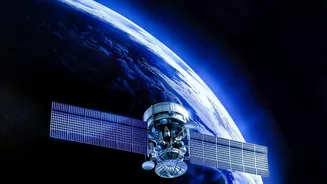
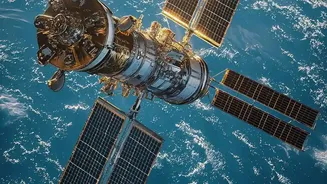
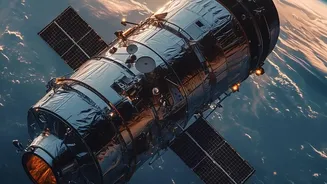
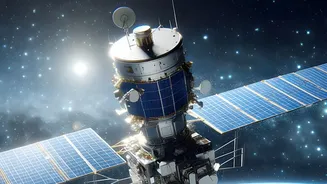
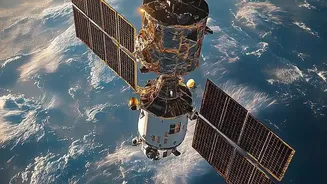
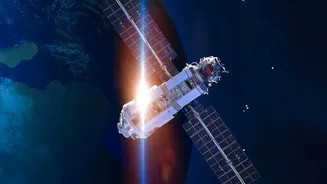
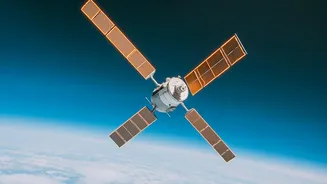
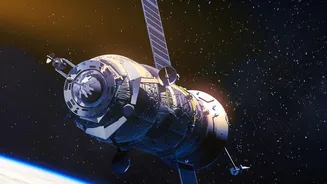
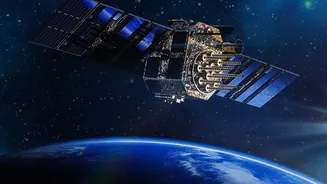
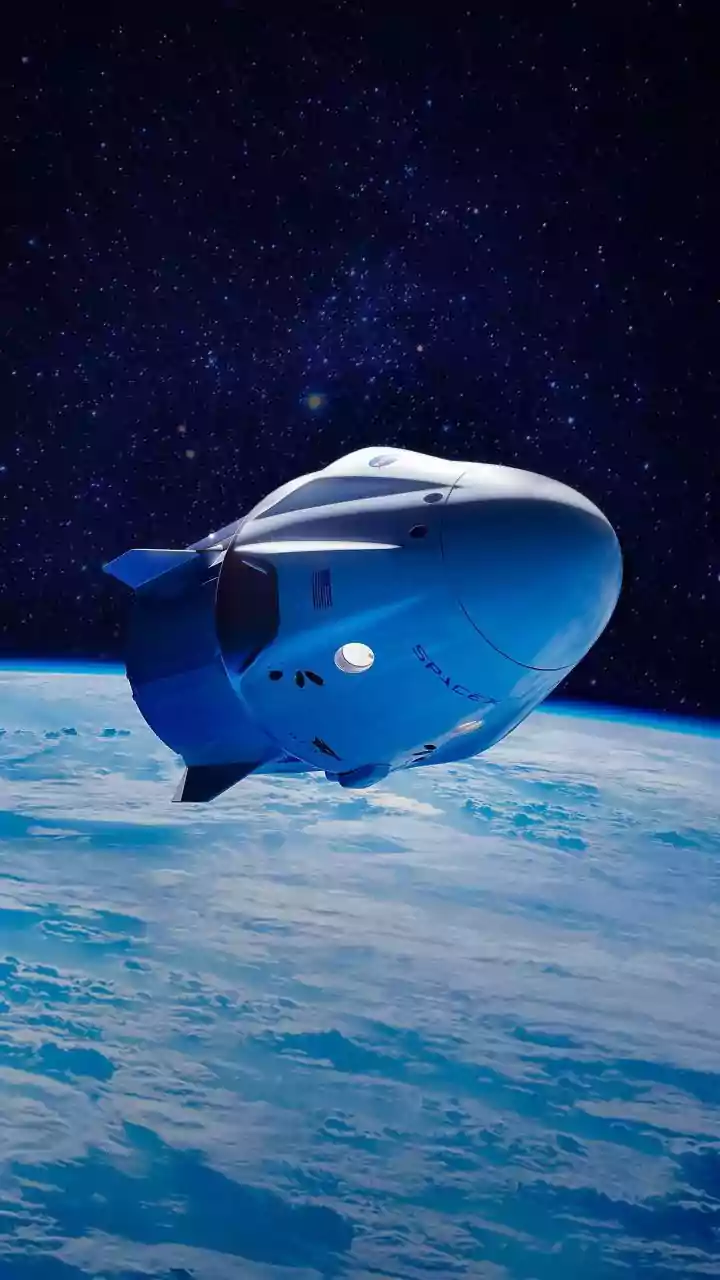
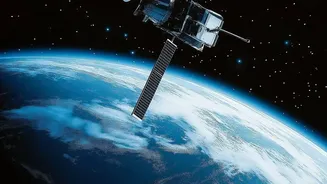
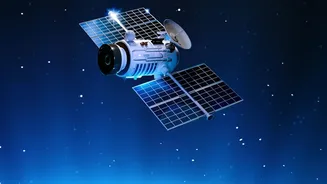
The dream of global, high-speed internet is being built hundreds of kilometres above our heads. Companies like SpaceX, with its Starlink network, and Amazon, with its planned Project Kuiper, are deploying thousands of satellites in low Earth orbit (LEO).
These mega-constellations promise to connect the most remote corners of the globe, but they come with a significant side effect: extreme orbital congestion. In September 2026, there were nearly 17,000 active satellites orbiting Earth, a sixfold increase from 2020. A staggering two-thirds of these belong to SpaceX's Starlink alone. This rapid expansion is fundamentally changing the nature of space operations.
Orbital Dodgeball Becomes a Daily Reality
With more satellites comes a much higher risk of collision. Satellites and debris in LEO travel at speeds of around 28,000 kilometres per hour, where even a small fragment can cause catastrophic damage. To avoid disaster, operators must constantly perform collision-avoidance maneuvers. The numbers show a dramatic trend: between December 2025 and May 2026, Starlink satellites alone performed over 207,000 such maneuvers. That averages out to each satellite having to dodge a potential collision almost every week. This frequency is growing exponentially, with some experts noting that the number of maneuvers has been doubling roughly every six months. Just a few years ago, these course corrections were rare; now, they are a constant, resource-intensive part of satellite operations.
Why the Old Rules No Longer Apply
For decades, space operations were governed by a guideline known as the "25-year rule," which recommended that satellites be de-orbited within 25 years of their mission's end. This was established when far fewer satellites were launched. With thousands of new spacecraft entering orbit each year, a 25-year grace period is now seen as dangerously slow. In response to the rise of mega-constellations, the U.S. Federal Communications Commission (FCC) has adopted a much stricter five-year de-orbit rule for its licensees. However, international regulations remain a patchwork of voluntary guidelines, struggling to keep pace with the commercial rush to populate LEO.
The Looming Threat of Kessler Syndrome
The ultimate fear for space traffic controllers is a scenario known as the Kessler Syndrome, first proposed by NASA scientist Donald Kessler in 1978. He theorized that if the density of objects in LEO becomes too high, a single collision could create a cloud of debris. Each piece of that debris then increases the probability of further collisions, setting off a chain reaction that could render entire orbital regions unusable for generations. With tens of thousands of tracked objects already in orbit—plus millions of smaller, untracked pieces of debris—some scientists believe we are already in the early stages of this cascade. A single major collision could dramatically accelerate the process.
The Search for New Rules of the Road
Addressing this challenge requires a global effort. Proposed solutions range from technical fixes to new international policies. The European Space Agency (ESA) is developing automated collision avoidance systems that use machine learning to predict and prevent crashes. Other efforts focus on active debris removal—missions designed to capture and de-orbit legacy junk like defunct satellites and old rocket bodies that cannot move themselves. Ultimately, experts agree that new, binding international agreements are needed to manage space traffic effectively. Without clear 'rules of the road' for all operators, the risk of losing access to these critical orbital highways will only continue to grow.