





Following Orders From The Ground
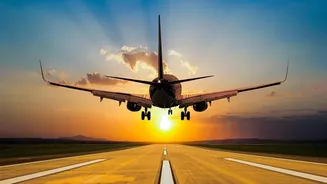
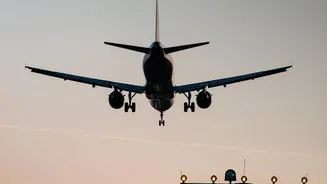
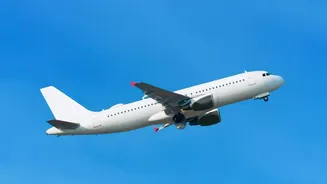
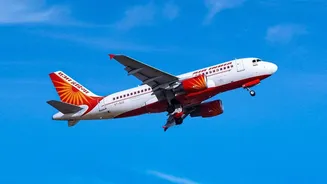
One of the most frequent reasons for a quick descent is a simple instruction from Air Traffic Control (ATC). The sky is a meticulously managed highway, and controllers are responsible for keeping aircraft safely separated. ATC might instruct a pilot to
descend to a new altitude to avoid another aircraft, to sequence traffic for an approaching airport, or to grant a 'shortcut' that saves both time and fuel. These descents can feel abrupt to passengers but are perfectly normal, controlled manoeuvres that are part of the daily choreography of air travel.
Planning for an Efficient Arrival
Pilots and their sophisticated Flight Management Systems (FMS) plan the entire flight path, including the descent, long before the destination is in sight. To conserve fuel, aircraft cruise at very high, efficient altitudes for as long as possible. The descent to landing altitude isn't always a single, gentle slope. Sometimes, a 'step descent' is used, where the plane lowers its altitude in stages. Each step can feel like a sudden drop, but it is a planned part of an efficient arrival, allowing the plane to prepare for landing while burning minimal fuel.
Navigating Around Weather
While turbulence can cause jolts and minor altitude changes, pilots also take active measures to avoid bad weather altogether. If a pilot sees a developing weather system like a thunderstorm ahead, they may request a lower altitude from ATC to fly underneath it. This can involve a quicker-than-usual descent to get to smoother air. This is a proactive safety measure, not a reaction to being caught in a storm. The goal is to provide the smoothest ride possible by navigating a clear path around or under turbulent conditions.
Distinguishing Descent From a Drop
It is important to distinguish between a controlled descent and the sensation of 'dropping' caused by turbulence. Turbulence is irregular air movement that can cause the plane to jolt up or down. These changes are usually minor, often less than ten feet, even if they feel more dramatic. A rapid descent, on the other hand, is a deliberate, sustained change in altitude controlled by the pilots. So, while both might catch you off guard, one is an atmospheric bump in the road, and the other is a planned change of course.
The Extremely Rare Emergency Descent
The most serious reason for a rapid descent is an emergency, such as a loss of cabin pressure. While this is exceptionally rare, pilots train for it constantly. In such an event, the crew will perform a rapid, controlled descent to a lower altitude (typically below 10,000 feet) where the air is breathable without supplemental oxygen. Oxygen masks will deploy in the cabin as a precaution. While it sounds frightening, this is a life-saving procedure that is highly practiced and designed to get everyone to a safe altitude as quickly and safely as possible.